Оглавление
Введение
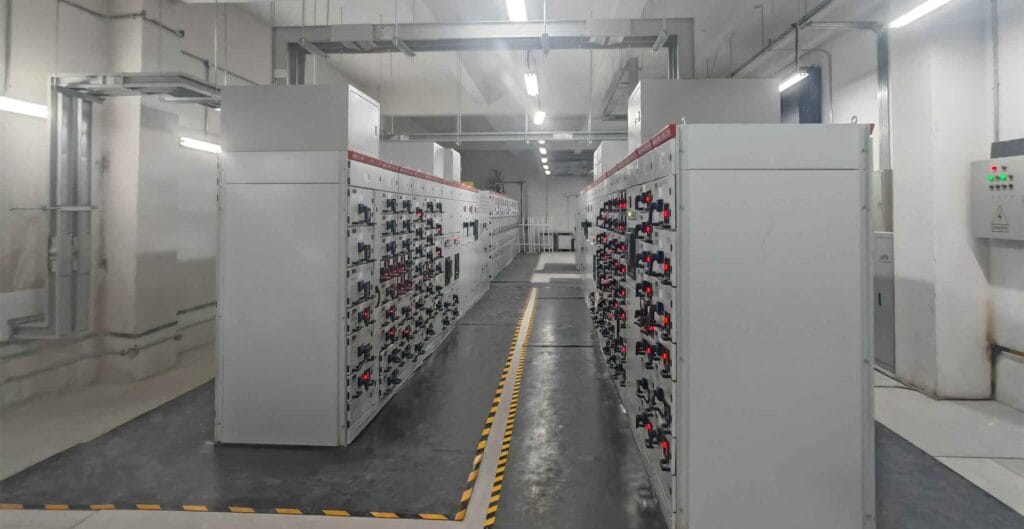
In most power systems, stability is not achieved by chance—it is built through layered protection, controlled switching, and properly engineered distribution equipment. Among all components in a grid, voltage switchgear sits at the center of operational safety and continuity.
In practical engineering terms, switchgear is not just “equipment inside a substation.” It is the mechanism that allows electricity to be controlled, isolated, and re-routed when conditions change or faults occur. Without it, even a small disturbance can escalate into large-scale outages or equipment damage.
This is why industries, utilities, and infrastructure developers consistently evaluate the capabilities behind a voltage switchgear manufacturer—not only the product itself, but the engineering system that produces it.
How Modern Switchgear Manufacturing Has Evolved
Switchgear manufacturing has shifted significantly over the past decade. Earlier systems were primarily mechanical and standardized. Today, the expectations are far more complex.
A modern voltage switchgear manufacturer is expected to integrate:
- Electrical design engineering with simulation-based validation
- Higher insulation performance for compact systems
- Strong arc fault containment design
- Compatibility with digital monitoring systems
- Stable performance under fluctuating grid conditions
What used to be a purely hardware-driven product has now become an engineered system that interacts with grid intelligence and operational control platforms.
This evolution is especially visible in medium and high voltage applications, where system failure tolerance is extremely low.
What Defines a Professional Voltage Switchgear Manufacturer
Not all manufacturing facilities operate at the same technical level. In real engineering projects, the difference becomes obvious during design coordination, testing, and field performance.
A professional voltage switchgear manufacturer is typically characterized by:
- A structured engineering design workflow rather than template-based production
- Controlled material selection for insulation and conductive systems
- Verified testing procedures for every production batch
- Experience in utility-scale and industrial electrical projects
- Ability to adapt designs to different regional grid standards
In many EPC and infrastructure projects, the manufacturer becomes a technical partner rather than just a supplier. This distinction matters when systems must operate continuously under load for years without interruption.
Inside the Manufacturing Process: From Design to Testing

Unlike simplified product descriptions, actual switchgear manufacturing involves multiple controlled engineering stages.
Engineering Design and System Modeling
The process begins with electrical and mechanical design coordination. Load conditions, voltage levels, and environmental constraints are analyzed before any physical production begins.
Material and Component Preparation
Insulation systems, conductive elements, and structural housings are selected based on electrical stress tolerance and long-term stability requirements.
Assembly and Integration
At this stage, circuit interruption units, busbar systems, and protection components are assembled under strict process control to ensure alignment accuracy and electrical safety.
Verification and Performance Testing
Before delivery, systems undergo multiple validation procedures, including insulation integrity checks, operational cycle testing, and fault condition simulation.
This layered process is what separates engineered switchgear systems from basic assembled equipment.
Types of Voltage Switchgear Used in Power Infrastructure
Different grid environments require different switchgear configurations. A single standardized solution rarely fits all applications.
Medium Voltage Systems
Commonly used in distribution networks, industrial plants, and commercial infrastructure where stable regional power control is required.
High Voltage Systems
Designed for transmission-level infrastructure, where power is transported across long distances and system reliability is critical.
Air-Insulated Configurations
Often selected for installations where space is available and environmental conditions are stable.
Gas-Insulated Configurations
Used in compact substations or environments where reduced footprint and higher insulation performance are required.
Indoor and Outdoor Engineering Variants
Design adjustments are made depending on installation exposure, climate conditions, and maintenance accessibility.
Where Voltage Switchgear Actually Makes the Biggest Impact
Switchgear is often discussed in technical terms, but its real value is seen in application environments where electrical continuity cannot be compromised.
In power generation systems, it supports controlled output distribution and grid synchronization.
In renewable energy installations, it manages fluctuating input and stabilizes grid connection points.
In industrial environments, it prevents production interruption caused by electrical faults.
In data-driven infrastructure, it ensures continuous uptime and controlled redundancy.
Each of these environments places different stress conditions on the system, which is why manufacturing adaptability is essential.
What Engineers Look for When Selecting a Manufacturer
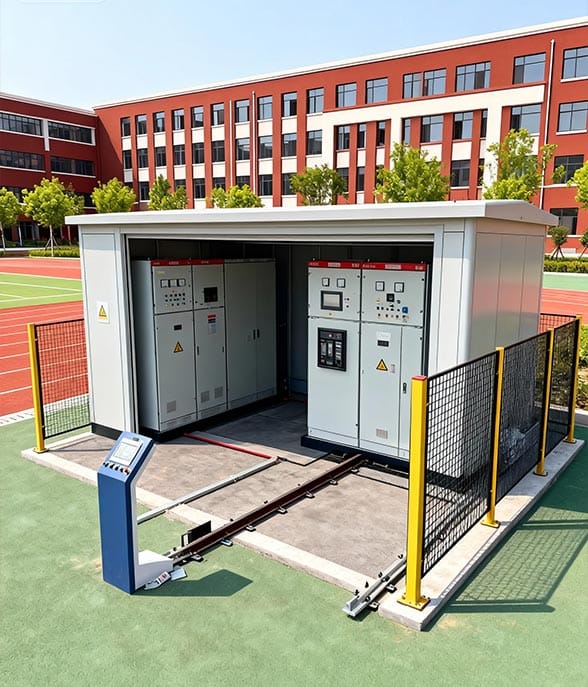
From a project engineering perspective, selection is rarely based on surface-level product comparison. Instead, attention is placed on deeper technical indicators.
Key considerations include:
- Stability of design engineering capability
- Depth of testing and validation procedures
- Consistency in manufacturing execution
- Ability to support customized system requirements
- Responsiveness during project coordination phases
In practice, the manufacturer’s engineering maturity often determines long-term system performance more than the initial equipment configuration.
OEM and Project-Based Manufacturing Approach
In global infrastructure projects, standard equipment is often not enough. Electrical systems are required to match specific grid conditions, installation environments, and operational constraints.
This is where OEM-oriented manufacturing becomes important.
A project-based manufacturing approach typically supports:
- Customized electrical ratings and system layouts
- Flexible enclosure and structural design adaptation
- Integration with monitoring and control architecture
- Engineering collaboration during project development stages
Rather than treating products as fixed models, this approach treats each system as an engineered solution.
Industry Direction: How Switchgear Systems Are Changing
The global direction of power systems is influencing how switchgear is designed and manufactured.
Several clear trends are shaping the industry:
- Expansion of digitally monitored substations
- Increased integration of renewable energy sources
- Movement toward more compact and efficient system designs
- Stronger focus on insulation safety and environmental performance
- Gradual shift toward predictive maintenance systems
These changes are not theoretical—they are already influencing design requirements across utilities and industrial sectors.
Why Direct Manufacturing Relationships Matter
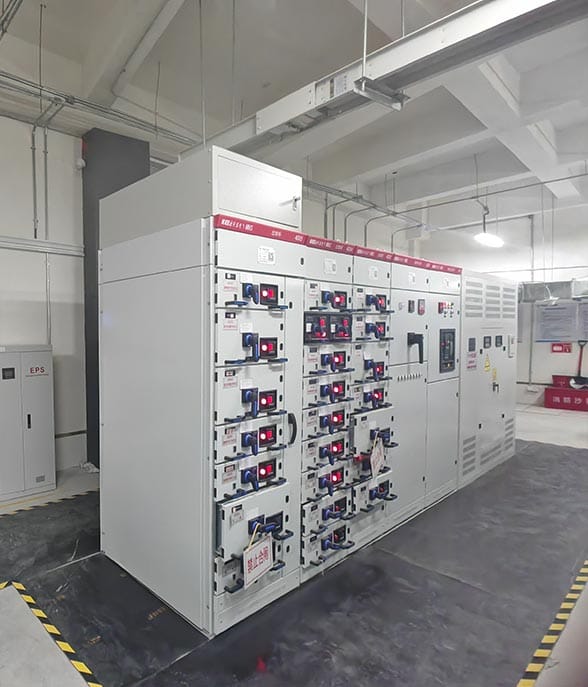
In complex power projects, indirect sourcing often creates communication gaps between engineering intent and final equipment delivery.
Working directly with a voltage switchgear manufacturer helps reduce these gaps.
The benefits are usually seen in:
- Faster engineering alignment during project development
- More precise adaptation to technical specifications
- Improved consistency between design and final output
- Better coordination across project timelines
- Stronger long-term technical support structure
For large-scale infrastructure, these factors can significantly influence project efficiency and operational stability.
Technical Reference Sources and Industry Frameworks
The development and application of switchgear systems are widely guided by internationally recognized engineering organizations and research bodies, including:
- International Electrotechnical Commission (IEC) — https://www.iec.ch
- Institute of Electrical and Electronics Engineers (IEEE) — https://www.ieee.org
- CIGRÉ Global Power System Community — https://www.cigre.org
- U.S. Department of Energy — https://www.energy.gov
- National Renewable Energy Laboratory (NREL) — https://www.nrel.gov
These institutions provide widely adopted technical frameworks used in grid design, equipment testing, and system standardization.
Заключение
Voltage switchgear is not an isolated component—it is part of a larger power ecosystem that depends on precision, reliability, and long-term operational stability.
A capable voltage switchgear manufacturer contributes more than equipment supply. It provides engineering structure, manufacturing discipline, and system-level reliability that supports critical infrastructure across multiple industries.
As power systems continue to evolve toward smarter, more distributed, and more energy-diverse networks, the importance of manufacturing quality and engineering depth will only continue to grow.
ЧАСТО ЗАДАВАЕМЫЕ ВОПРОСЫ
What does a voltage switchgear manufacturer do?
A voltage switchgear manufacturer designs, engineers, and produces electrical switching and protection systems used in power distribution networks to ensure safe and stable electricity control.
What is the difference between medium voltage and high voltage switchgear?
Medium voltage switchgear is typically used in distribution networks and industrial facilities, while high voltage switchgear is designed for transmission systems and large-scale substations with higher electrical loads.
What industries commonly use voltage switchgear systems?
Voltage switchgear is widely used in power generation, renewable energy, oil and gas, mining, data centers, and heavy industrial applications where stable power distribution is essential.
What should be considered when choosing a voltage switchgear manufacturer?
Key factors include engineering capability, manufacturing quality control, compliance with international standards, customization ability, and experience in large-scale electrical projects.
Why is OEM capability important in switchgear manufacturing?
OEM capability allows the manufacturer to customize switchgear systems based on specific project requirements, including voltage levels, system design, and installation conditions, ensuring better compatibility and performance.