Оглавление
Введение
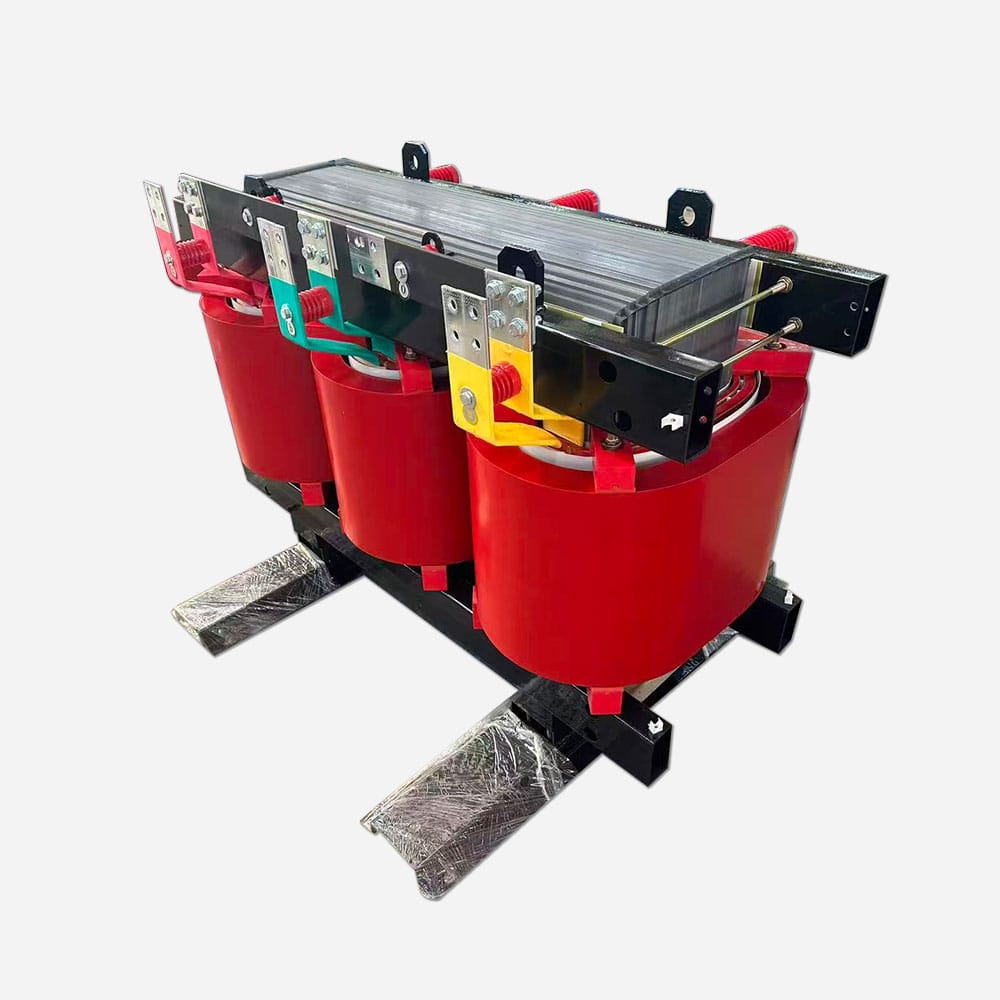
Dry type transformers are widely used in modern electrical distribution systems due to their safety, reliability, and low maintenance requirements. As a professional dry type transformer manufacturer, we continuously publish technical content to help engineers, project contractors, and procurement teams better understand transformer selection, performance differences, and application scenarios.
In today’s power systems, demand for safer and more environmentally friendly equipment is increasing. Dry type transformer solutions have become a preferred choice for indoor installations, commercial buildings, industrial facilities, and energy infrastructure projects. This guide provides a complete overview of dry type transformer types, their classification, working principles, and selection methods based on real manufacturing experience.
What Are Dry Type Transformer Types?
Dry type transformer types refer to transformers that use air and solid insulation materials instead of liquid coolant such as oil. These transformers rely on advanced insulation systems to ensure safe and efficient voltage conversion.
Compared with oil-immersed transformers, dry type designs eliminate the risk of oil leakage and significantly improve fire safety. This makes them especially suitable for environments where safety and environmental standards are strict.
Key Components of Dry Type Transformers
- Magnetic core for energy transfer
- Copper or aluminum windings
- Epoxy resin or VPI insulation system
- Cooling channels for air circulation
- Protective enclosure for safe installation
These components work together to ensure stable performance under different load conditions.
Main Classification of Dry Type Transformer Types
Dry type transformers are generally classified based on insulation technology and cooling methods. Each type has its own engineering advantages and application range.
Cast Resin Dry Type Transformers
Cast resin transformers use epoxy resin to fully encapsulate windings, creating a strong insulation layer. This structure improves mechanical strength and fire resistance.
Key advantages:
- High safety and fire resistance
- Excellent moisture protection
- Suitable for high-demand indoor applications
- Low maintenance requirements
Vacuum Pressure Impregnated (VPI) Transformers
VPI transformers use vacuum and pressure technology to impregnate insulation resin into the windings. This enhances durability while maintaining cost efficiency.
Key advantages:
- Strong insulation performance
- Cost-effective industrial solution
- Good heat dissipation
- Widely used in factories and utilities
Open Ventilated Dry Type Transformers
These transformers rely on natural air cooling. They are typically installed in controlled environments where ventilation is sufficient.
Key advantages:
- Simple structure
- Easy maintenance
- Lower manufacturing cost
- Suitable for standard indoor systems
Dry Type Transformer Types Working Principle
Dry type transformers operate based on electromagnetic induction. When alternating current passes through the primary winding, a magnetic field is generated in the core, which induces voltage in the secondary winding.
Heat generated during operation is dissipated through air circulation and insulation materials. Unlike oil-based systems, dry type transformers depend heavily on structural design and airflow optimization to maintain temperature stability.
Manufacturers carefully design insulation class, winding geometry, and cooling channels to ensure long-term reliability and energy efficiency.
Key Technical Features of Dry Type Transformer Types
Dry type transformers are designed with advanced engineering standards to meet modern power distribution requirements.
Main technical features include:
- High insulation strength for safety and durability
- Flame-retardant and environmentally friendly materials
- Low operational noise design
- Compact structure suitable for indoor installation
- Stable performance under fluctuating loads
- Long service life with minimal maintenance
These features make them ideal for critical infrastructure applications.
Applications of Dry Type Transformer Types in Different Industries
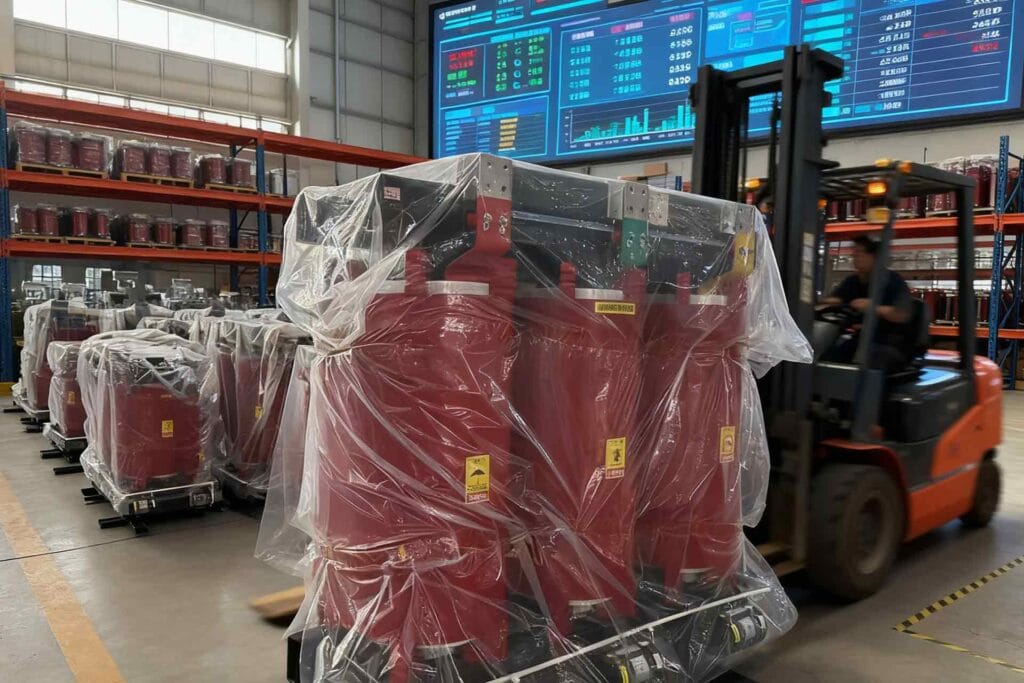
Dry type transformers are used across multiple industries where safety, stability, and efficiency are essential.
- Industrial manufacturing plants
- Commercial complexes and office buildings
- Data centers and IT infrastructure
- Hospitals and healthcare systems
- Renewable energy systems such as solar and wind farms
- Transportation and railway power distribution
Why They Are Preferred in Sensitive Environments
Dry type transformers are especially suitable for locations where fire safety and environmental protection are priorities. Their oil-free structure reduces risks and simplifies compliance with strict regulations.
How to Select the Right Dry Type Transformer Types
Choosing the correct transformer type depends on technical requirements and operating conditions. A proper selection ensures efficiency, safety, and long-term cost control.
Selection Criteria
| Фактор | Описание |
|---|---|
| Load Capacity | Match transformer rating with power demand |
| Voltage Level | Ensure compatibility with system requirements |
| Среда установки | Indoor, outdoor, humidity, ventilation |
| Метод охлаждения | Cast resin, VPI, or air-cooled system |
| Efficiency Level | Evaluate energy loss and operational cost |
| Safety Requirements | Fire resistance and insulation class |
Common Selection Mistakes
- Selecting incorrect capacity without load analysis
- Ignoring environmental temperature conditions
- Overlooking insulation class requirements
- Focusing only on initial cost instead of lifecycle performance
Dry Type Transformer Types vs Oil-Immersed Transformers
Understanding the differences between dry type and oil-immersed transformers is essential for proper system design.
- Dry type transformers offer higher fire safety due to oil-free construction
- Oil-immersed transformers generally provide better cooling efficiency in large outdoor systems
- Dry type units require less maintenance and are more environmentally friendly
- Oil-immersed systems are often used in high-capacity outdoor substations
Dry type technology is increasingly preferred in urban and indoor applications where safety standards are strict.
Manufacturing Standards and Quality Control
As a dedicated transformer manufacturer, strict quality control is applied throughout the production process.
Key manufacturing practices include:
- Compliance with IEC international standards
- Precision winding and core assembly
- High-quality insulation material selection
- Vacuum pressure impregnation or resin casting processes
- Full-load testing before delivery
Each transformer is tested for insulation resistance, temperature rise, noise level, and load performance to ensure stable operation in real-world applications.
Maintenance and Service Life of Dry Type Transformer Types
Dry type transformers are known for their long service life and low maintenance requirements.
Maintenance recommendations:
- Regular inspection of ventilation systems
- Monitoring operating temperature
- Checking for dust accumulation
- Periodic electrical performance testing
Under proper operating conditions, dry type transformers can provide reliable service for decades with minimal intervention.
Advantages of Choosing a Direct Manufacturer
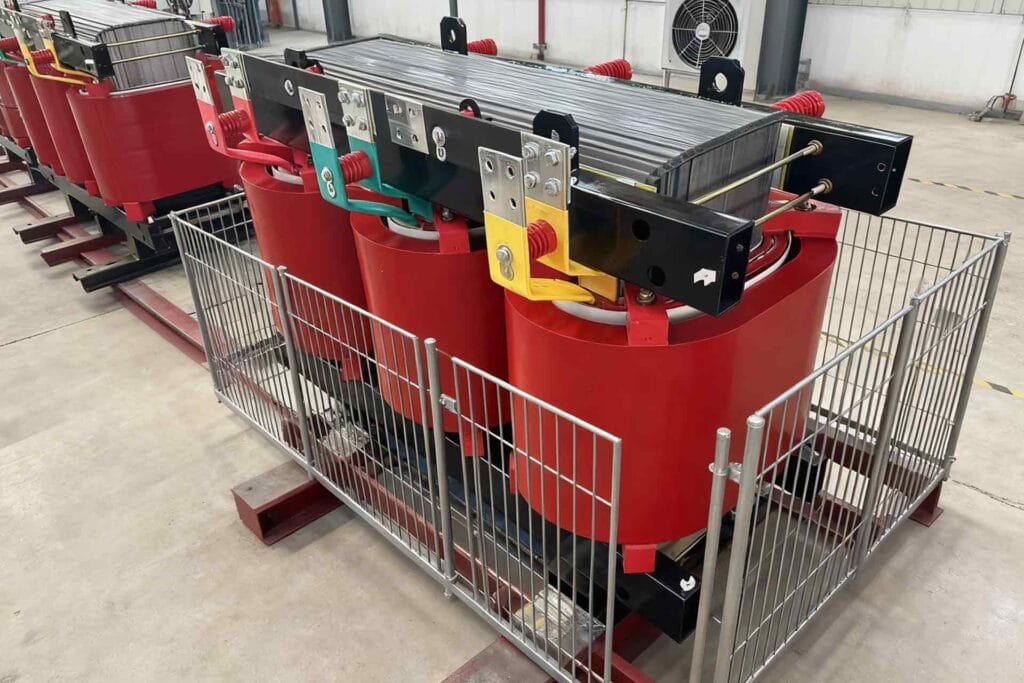
Working directly with a manufacturer provides significant advantages for industrial buyers and project developers.
- Competitive factory pricing without intermediaries
- Custom engineering solutions based on project needs
- Faster production and delivery timelines
- Strict quality assurance and testing processes
- OEM and ODM customization capabilities
- Technical support throughout the project lifecycle
This ensures both cost efficiency and consistent product reliability.
Заключение
Dry type transformer types play an essential role in modern power distribution systems due to their safety, efficiency, and adaptability across various industries. Understanding their classification, working principles, and application scenarios helps engineers and buyers make informed decisions.
As a professional dry type transformer manufacturer, we focus on delivering high-quality, reliable, and energy-efficient solutions that meet international standards. Whether used in industrial facilities, commercial buildings, or energy infrastructure projects, selecting the right transformer type is critical for long-term system stability and performance.
With continuous improvements in manufacturing technology and insulation systems, dry type transformers remain a key solution for safe and sustainable electrical distribution worldwide.
ЧАСТО ЗАДАВАЕМЫЕ ВОПРОСЫ
What are dry type transformer types?
Dry type transformer types are transformers that use air and solid insulation instead of oil for cooling and insulation, making them safer and more environmentally friendly for indoor and industrial applications.
What are the main dry type transformer types?
The main types include cast resin dry type transformers, vacuum pressure impregnated (VPI) transformers, and open ventilated dry type transformers, each designed for different application environments.
Where are dry type трансформатор types commonly used?
They are widely used in commercial buildings, industrial plants, hospitals, data centers, and renewable energy systems where safety and stable power distribution are required.
What is the difference between cast resin and VPI dry type transformer types?
Cast resin transformers are fully encapsulated in epoxy resin for higher fire resistance, while VPI transformers use vacuum pressure impregnation for cost-effective insulation and good durability.
How do I choose the right dry type transformer type?
Selection depends on load capacity, voltage level, installation environment, cooling requirements, and safety standards. Consulting a manufacturer ensures the best match for your project needs.