Table of Contents
Introduction
Transformers serve as critical components in modern industrial and commercial power distribution systems, converting voltage levels to ensure safe and efficient energy delivery across facilities of all sizes. From manufacturing plants powering heavy machinery to commercial complexes supporting lighting and HVAC systems, the right transformer selection directly impacts operational reliability, energy efficiency, and long-term maintenance costs.
As sustainability goals and safety regulations become increasingly stringent, facility managers and engineers must carefully evaluate their transformer options. While traditional oil-filled transformers have dominated the market for decades, dry transformers have emerged as compelling alternatives offering distinct advantages in specific applications. Understanding the key differences between these two primary transformer types enables informed decision-making that aligns with your industry requirements, operational priorities, and total cost of ownership objectives.
What Are Dry Transformers?
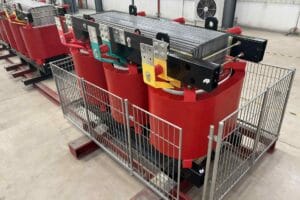
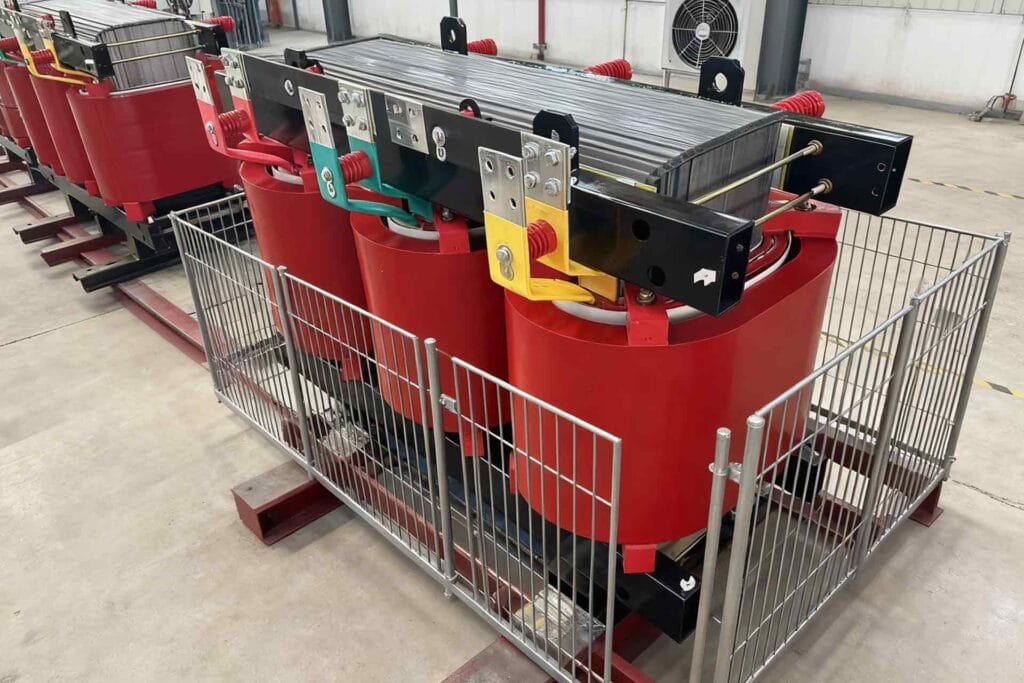
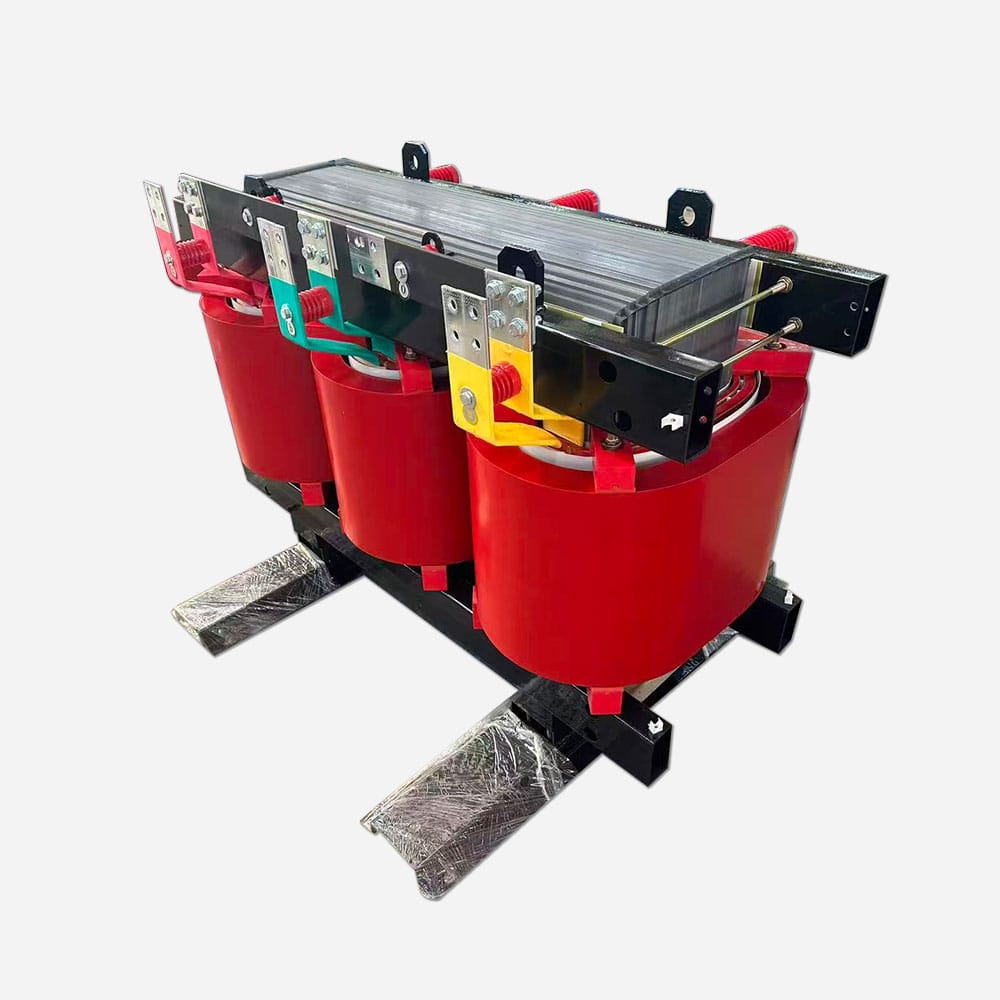
Dry transformers represent a modern approach to power distribution, utilizing air as the primary cooling medium instead of liquid insulating materials. These transformers employ advanced solid insulation materials such as epoxy resin, cast resin, or vacuum pressure impregnated (VPI) systems to protect copper windings and core assemblies. The construction eliminates flammable liquids entirely, creating a inherently safer electrical component suitable for diverse industrial and commercial environments.
Two primary types of dry transformers dominate the market: cast resin transformers and vacuum pressure impregnated (VPI) transformers. Cast resin units encapsulate windings in epoxy resin, providing exceptional moisture resistance and mechanical protection. VPI transformers undergo a vacuum-sealing process that thoroughly impregnates windings with insulation materials, offering robust performance in demanding industrial conditions. Both configurations deliver reliable power conversion while maintaining the fundamental dry transformer advantages of safety, environmental compatibility, and reduced maintenance requirements.
Advantages of Dry Transformers
Enhanced Safety Profile
The absence of flammable liquids eliminates fire and explosion risks associated with traditional oil-filled transformers. This inherent safety characteristic makes dry transformers ideal for installations in occupied spaces, including schools, hospitals, office buildings, and manufacturing facilities where personnel work in close proximity to electrical equipment. The self-extinguishing nature of epoxy insulation materials further enhances fire protection without requiring additional suppression systems.
Environmental Benefits
Dry transformers applications align with sustainable infrastructure initiatives by eliminating oil leak risks and associated environmental contamination. Modern epoxy resin formulations incorporate halogen-free and low-smoke compounds that minimize toxic emissions during fire events. The oil-free design also simplifies end-of-life recycling processes, reducing environmental impact across the equipment lifecycle.
Reduced Maintenance Requirements
Unlike oil-filled units requiring regular fluid analysis, oil changes, and leak monitoring, dry transformers maintenance involves straightforward visual inspections, periodic cleaning, and basic electrical testing. This simplified maintenance approach reduces operational downtime and lowers total cost of ownership over the equipment’s 20-35 year service life. With no oil quality degradation concerns, dry transformers maintain consistent performance without fluid-related interventions.
Superior Indoor Performance
Dry transformers excel in indoor environments where ventilation may be limited and fire safety codes are stringent. Their compact footprint allows installation in electrical rooms, basements, and equipment closets without requiring dedicated containment systems or oil spill prevention infrastructure. The ability to position transformers closer to load centers reduces cable lengths and associated energy losses.
What Are Oil Transformers?
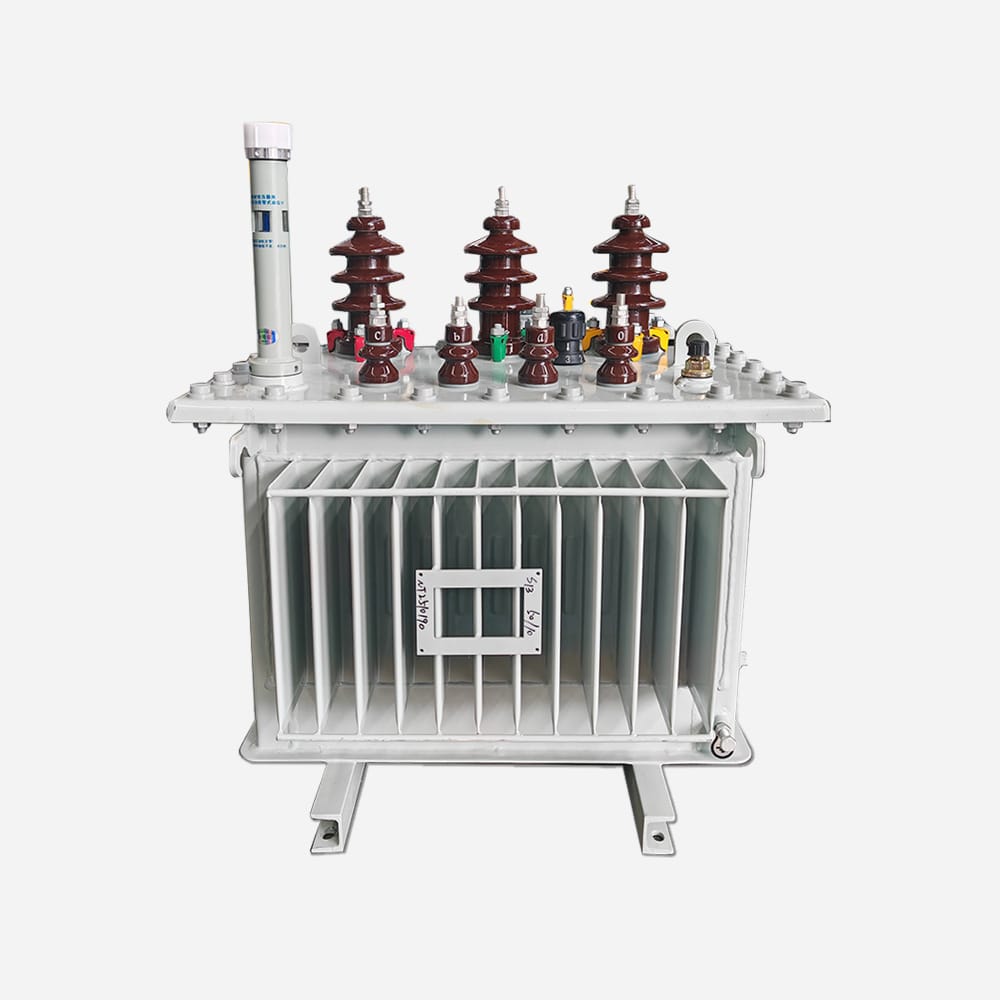
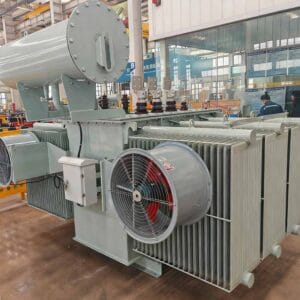
Oil-immersed transformers represent the traditional approach to power distribution, utilizing mineral oil or ester fluids as both cooling and insulating media. The oil circulates through windings and core assemblies, absorbing heat and transferring it to external radiators where it dissipates into surrounding air. This proven technology has powered electrical infrastructure for over a century, delivering reliable voltage conversion across virtually all voltage and capacity ranges.
Oil transformers feature sealed steel tanks containing the oil-immersed core and windings, with bushings providing external electrical connections. Heat dissipation occurs through natural convection and radiation, with larger units incorporating cooling fans and pump-assisted oil circulation for enhanced thermal management. The oil serves dual functions: electrical insulation between conductive components and heat transfer medium for efficient cooling.
Advantages of Oil Transformers
Exceptional Overload Capacity
Oil’s superior thermal conductivity enables oil transformers to handle temporary overload conditions more effectively than air-cooled alternatives. Oil-filled units can typically accommodate 150% overload for two hours, compared to approximately 120% for equivalent dry-type units. This overload tolerance proves valuable in industrial environments with fluctuating load profiles or emergency power requirements.
High-Efficiency Heat Dissipation
The liquid cooling system provides excellent thermal management, allowing oil transformers to maintain optimal operating temperatures even under demanding load conditions. Efficient heat transfer reduces thermal stress on insulation materials and windings, contributing to the extended 25-40 year service life typical of well-maintained oil-filled units.
Proven Outdoor Durability
Sealed tank construction protects oil transformers from environmental contaminants, making them ideal for outdoor installations in substations, renewable energy facilities, and industrial complexes. The rugged design withstands temperature extremes, precipitation, UV exposure, and atmospheric pollutants without requiring protective enclosures or climate control systems.
Key Differences Between Dry and Oil Transformers
| Comparison Factor | Dry Transformers | Oil Transformers |
|---|---|---|
| Cooling Medium | Air (natural or forced) | Mineral oil or ester fluid |
| Fire Risk | Very Low | Moderate to High |
| Insulation Material | Epoxy resin, cast resin | Dielectric oil |
| Typical Voltage Range | Up to 35kV | Up to 765kV+ |
| Standard Capacity Range | 25kVA – 30MVA | 50kVA – 1,500MVA |
| Service Life | 15-25 years | 25-40 years |
| Maintenance Requirements | Minimal (cleaning, inspections) | Regular oil testing, replacement |
| Installation Environment | Indoor preferred | Outdoor standard |
| Environmental Impact | Zero leak risk | Potential oil contamination |
| Overload Capacity | ~120% for 2 hours | ~150% for 2 hours |
| Noise Level | 55-65 dB | 50-60 dB |
| Initial Cost | 20-40% higher than oil | Lower initial investment |
Safety and Fire Resistance
The fundamental difference in cooling mediums creates significant divergence in fire safety profiles. Dry transformers’ air-cooled design and solid insulation materials completely eliminate liquid fuel sources, making them inherently fire-resistant. This characteristic becomes critical in facilities with high occupancy density, combustible materials, or strict insurance requirements. Oil transformers, while engineered with protective features, present potential fire hazards due to flammable insulation fluid that can sustain combustion if ignition occurs.
Maintenance Requirements
Dry transformers maintenance demands significantly less specialized expertise and resources compared to oil-immersed units. Routine dry transformer servicing involves visual inspections, cleaning of air passages, electrical connection verification, and periodic insulation resistance testing. In contrast, oil transformers require regular dissolved gas analysis (DGA), moisture and acidity testing, oil sampling, periodic fluid replacement, and gasket maintenance. These oil-related tasks necessitate specialized training, testing equipment, and fluid disposal procedures, increasing operational complexity and costs.
Environmental Impact and Regulations
Regulatory pressures and sustainability initiatives increasingly favor dry transformers applications due to their zero-fluid design that eliminates contamination risks. Oil transformers present environmental concerns regarding potential leaks, spills, and disposal of degraded oil. However, modern ester-based insulating fluids offer improved biodegradability and higher flash points compared to traditional mineral oils, partially addressing environmental considerations. Facilities operating in environmentally sensitive areas, near water bodies, or in regions with strict environmental regulations typically prioritize dry transformers to minimize ecological impact and compliance burdens.
Efficiency and Energy Losses
Both transformer types deliver excellent efficiency when properly sized and operated within design parameters. Dry transformers efficiency typically ranges from 98-99%, while oil-filled units achieve 98-99.5% due to superior cooling characteristics. The efficiency advantage of oil transformers becomes more pronounced at higher voltage levels and larger capacities where liquid cooling outperforms air convection. However, for medium-voltage distribution applications below 35kV, efficiency differences between the two technologies remain minimal and should not drive selection decisions.
Installation Complexity
Dry transformers installation requires less specialized infrastructure than oil-immersed units. Dry types can be installed directly in electrical rooms without oil containment systems, fire suppression requirements, or spill prevention measures. This simplifies retrofit projects and reduces installation costs by 20-30% compared to oil transformers needing concrete pads, berms, oil containment basins, and sometimes explosion-proof enclosures. The simplified installation process enables faster deployment and minimizes facility disruption during upgrades or replacements.
Industry-Specific Recommendations
Industrial Manufacturing
Manufacturing environments present diverse requirements that may favor either transformer type depending on specific operational characteristics. Heavy industrial facilities with continuous, high-power loads, such as steel mills, foundries, and large-scale manufacturing plants, often benefit from oil transformers’ superior cooling capacity and overload tolerance. However, manufacturing operations in indoor environments with combustible materials, variable loading patterns, or limited maintenance personnel expertise typically find dry transformers better suited to their needs. Custom dry transformers can be engineered to address specific industrial challenges, including resistance to dust, chemical exposure, or vibration.
Commercial Buildings and Data Centers
The commercial sector increasingly adopts dry transformers as standard equipment due to stringent fire codes, safety requirements, and installation flexibility considerations. Commercial buildings, shopping malls, hotels, and office complexes prioritize occupant safety and regulatory compliance, making dry transformers the preferred choice despite higher initial costs. Data centers, with their mission-critical operations and zero-tolerance for fire hazards, almost exclusively specify dry-type units to eliminate any fluid-related contamination risks that could damage sensitive IT infrastructure. The maintenance-free operation of dry transformers also aligns with data centers’ focus on reliability and minimizing unplanned downtime.
Renewable Energy Projects
The renewable energy sector demonstrates growing adoption of dry transformers across solar and wind installations. Solar farms, particularly distributed rooftop systems, benefit from dry transformers’ compact size, lightweight construction, and compatibility with indoor installation requirements. Wind turbine applications leverage dry transformers’ resistance to moisture, durability in challenging environmental conditions, and reduced maintenance needs at remote turbine sites. As renewable energy projects expand into urban areas and locations near residential developments, the safety and environmental advantages of dry transformers become increasingly valuable for community acceptance and regulatory approval.
Case Examples of Successful Transformer Selection
A major university medical center replaced aging oil-filled transformers with custom dry transformers after a failure threatened critical patient care operations. The dry transformer installation eliminated fire hazards in occupied spaces, reduced maintenance requirements in a facility with limited electrical engineering staff, and enabled placement closer to load centers for improved efficiency. Similarly, a data center operator upgraded to cast resin dry transformers throughout multiple facilities, achieving 25% reduction in maintenance costs while meeting strict insurance requirements for fire safety in high-density computing environments.
Installation and Maintenance Best Practices for Dry Transformers
Proper Site Selection and Ventilation
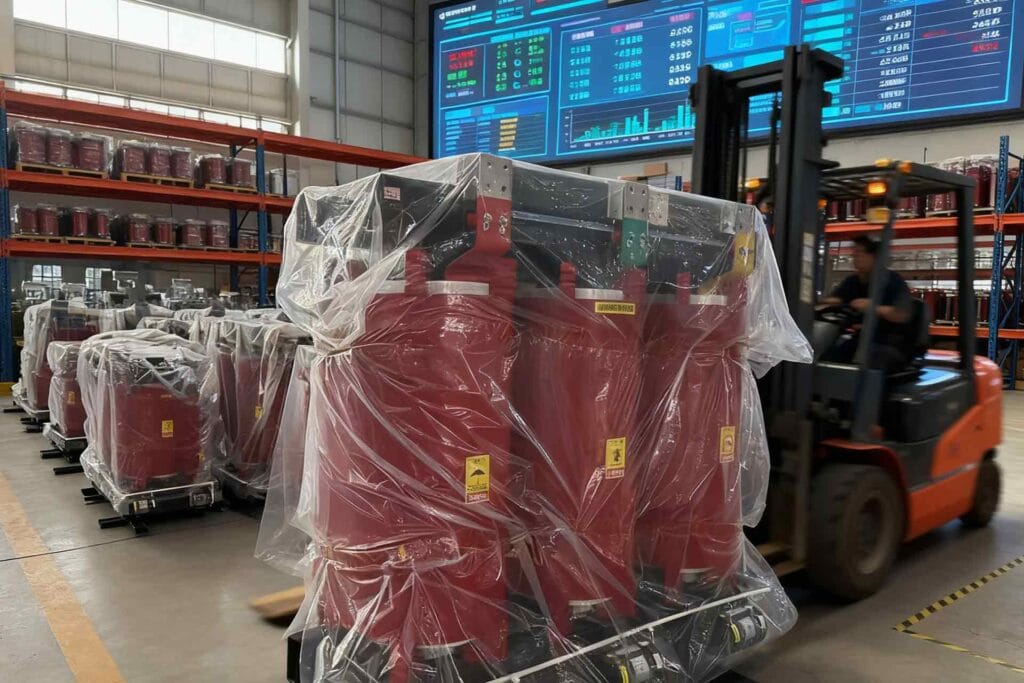
Successful dry transformers installation begins with appropriate site selection ensuring adequate space for air circulation, maintenance access, and heat dissipation. Transformers require minimum clearance distances from walls and other equipment as specified by manufacturer guidelines and electrical codes. Ventilation systems must support either natural convection for smaller units or forced air cooling for larger capacity transformers. Ambient temperature should remain within design specifications, typically not exceeding 40°C (104°F) for continuous operation. Climate control systems or supplemental cooling may be necessary in hot climates or confined spaces to prevent overheating and optimize dry transformers efficiency.
Routine Inspections and Cleaning
Established maintenance schedules ensure optimal dry transformers performance and longevity. Daily or weekly visual inspections should identify dust accumulation, physical damage, or abnormal operating conditions. Monthly checks include verifying temperature readings, listening for unusual sounds, and inspecting cooling system operation. Quarterly maintenance involves thorough cleaning using compressed air or vacuum systems to remove dust from windings and cooling channels. Semiannual inspections should include electrical connection tightness verification, infrared thermal imaging to detect hot spots, and detailed operational parameter logging. This systematic approach to dry transformers maintenance maximizes service life while minimizing unexpected failures.
Electrical Testing and Monitoring
Comprehensive electrical testing programs validate dry transformers performance and detect developing issues before they escalate into failures. Annual insulation resistance testing using 2500V megohmmeters establishes baseline measurements and trends for condition assessment. Winding resistance measurements identify connection problems or developing winding faults. Turns ratio testing confirms proper voltage transformation characteristics. Partial discharge testing provides early detection of insulation degradation. Modern dry transformers incorporate smart monitoring systems providing real-time temperature tracking, load monitoring, and predictive maintenance alerts. These IoT-enabled capabilities enhance dry transformers reliability while reducing manual inspection requirements.
Tips to Maximize Lifespan and Efficiency
Several proven practices extend dry transformers operational life and optimize efficiency gains. Maintain proper load factors avoiding sustained operation below 30% or above rated capacity for extended periods. Ensure consistent environmental controls preventing exposure to moisture, extreme temperatures, or corrosive atmospheres. Implement preventive maintenance programs addressing minor issues before they escalate into failures. Upgrade cooling systems in aging installations to compensate for reduced efficiency due to dust accumulation or fan degradation. Partner with experienced dry transformers suppliers providing comprehensive support including installation guidance, maintenance training, and responsive technical assistance throughout the equipment lifecycle.
Cost Considerations and ROI
Initial Investment vs Long-Term Maintenance Cost
The total cost of ownership analysis reveals that dry transformers often deliver superior economic performance despite higher upfront costs. While oil-filled units typically cost 20-40% less initially, the cumulative maintenance, testing, oil replacement, and potential containment expenses over a 20-year period often exceed the differential. Dry transformers require minimal maintenance, eliminating specialized oil testing, disposal fees, and associated labor costs. Facilities should calculate lifecycle costs considering purchase price, installation expenses, energy losses, maintenance requirements, disposal costs, and potential downtime implications. For many applications, dry transformers provide attractive ROI within 5-7 years through reduced operational expenditures and enhanced reliability.
Energy Efficiency Benefits and Reduced Downtime
Dry transformers contribute to energy savings through reduced losses and enhanced load center placement flexibility. The ability to install dry transformers closer to loads minimizes conductor lengths and associated I²R losses. Advanced core materials and optimized winding designs in modern dry transformers achieve efficiency levels competitive with oil-filled units, particularly in medium-voltage applications. Reduced maintenance requirements translate directly to fewer scheduled shutdowns and lower risk of unplanned failures. Data centers, hospitals, and continuous process industries particularly value this reliability advantage where downtime costs can exceed $10,000 per minute. The maintenance-free operation also enables deployment in facilities with limited electrical maintenance expertise without compromising system reliability.
Factors Affecting Pricing: Voltage Level, Size, Customization
Multiple variables influence dry transformers pricing, enabling facilities to optimize value for specific applications. Voltage level significantly impacts costs, with 35kV units commanding premiums over 10kV or 15kV models due to increased insulation requirements. Capacity ratings follow nonlinear pricing curves, with larger kVA ratings offering lower costs per kVA. Custom dry transformers incorporating special features such as corrosion-resistant enclosures, enhanced cooling systems, or compact designs for space-constrained installations command premium pricing. Working directly with established dry transformers manufacturers enables value engineering solutions balancing performance requirements with budget constraints. Volume discounts for multi-unit installations and long-term supply agreements can further reduce total acquisition costs.
Emerging Trends in Transformer Technology
Smart Monitoring and IoT Integration for Dry Transformers
The digital transformation sweeping industrial infrastructure is revolutionizing dry transformers through advanced monitoring capabilities. Modern units incorporate comprehensive sensor arrays measuring winding temperatures, load current, harmonic distortion, partial discharge, and operating environment conditions. IoT platforms collect and analyze this data, enabling predictive maintenance algorithms that identify developing issues before they cause failures. Remote monitoring capabilities support centralized facility management across distributed transformer networks, reducing the need for frequent physical inspections. These smart features enhance dry transformers reliability while providing operational insights that optimize performance and extend service life. Integration with building management systems enables automated response to temperature excursions, load variations, and fault conditions.
Eco-Friendly Materials and Fire-Resistant Designs
Sustainability initiatives drive continuous improvement in dry transformers materials and construction techniques. Advanced epoxy formulations eliminate halogens while maintaining excellent electrical properties and fire resistance. Recyclable insulation materials reduce environmental impact at end-of-life disposal. Nanotechnology enhancements improve thermal conductivity, reducing operating temperatures and enhancing efficiency. Fire-resistant designs incorporate self-extinguishing materials that meet the most stringent building codes and insurance requirements. These innovations position dry transformers as increasingly attractive options for green building projects seeking LEED certification and facilities committed to reducing their environmental footprint across all infrastructure components.
Adoption of Dry Transformers in Urban Infrastructure and Renewable Energy
Rapid urbanization and distributed energy generation create expanding opportunities for dry transformers applications. Urban redevelopment projects increasingly specify dry transformers for underground substations, building-integrated power systems, and mixed-use developments where space constraints and safety concerns limit oil-filled unit deployment. The renewable energy sector’s growth accelerates dry transformers adoption in solar installations, wind farms, and energy storage systems where environmental compatibility, reduced maintenance, and flexible installation options provide competitive advantages. As microgrids and distributed energy resources proliferate, dry transformers serve as critical interconnection components between renewable generation sources and local electrical distribution networks.
How to Choose the Right Transformer Supplier
Factors to Consider: Certifications, Experience, Customization Options
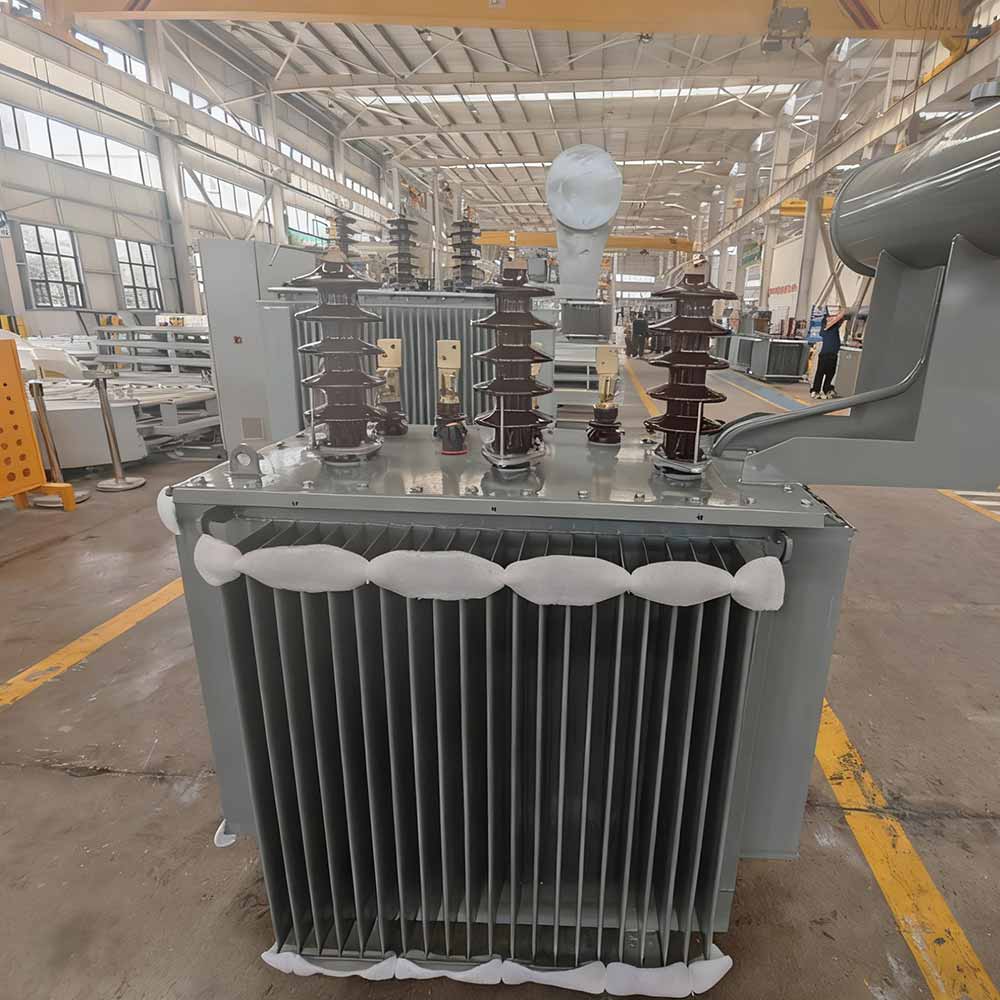
Selecting the optimal dry transformers supplier requires comprehensive evaluation across multiple dimensions. Relevant certifications including ISO 9001 quality management, ISO 14001 environmental management, and industry-specific compliance with IEEE, ANSI, and international standards demonstrate commitment to quality and regulatory adherence. Industry experience, particularly in facilities similar to yours, ensures understanding of application-specific requirements and challenges. Custom dry transformers capabilities enable solutions addressing unique technical requirements, space constraints, or environmental conditions. Financial stability and long-term business viability guarantee ongoing support throughout extended service lifetimes. Geographic presence and distribution network capabilities influence lead times and responsive service provision.
Value of Working with a Manufacturer Who Provides Installation, Maintenance, and Support
Direct partnerships with dry transformers manufacturers delivering comprehensive services throughout the equipment lifecycle create substantial value. Engineering support during specification and design phases ensures optimal configuration for your application requirements. Professional installation services guarantee proper setup according to manufacturer specifications and industry best practices, preventing early-life failures. Maintenance training and ongoing technical support empower your team to perform appropriate dry transformers maintenance activities effectively. Responsive after-sales service including emergency support, spare parts availability, and warranty service minimizes downtime and maximizes equipment availability. This integrated approach simplifies project management while ensuring accountability across all transformer-related activities.
Tips to Evaluate Suppliers for Long-Term Reliability
Thorough supplier evaluation processes identify partners committed to long-term collaboration rather than transactional equipment sales. Request customer references from similar industries and applications, specifically inquiring about after-sales support responsiveness and problem resolution effectiveness. Review quality control procedures and testing protocols demonstrating commitment to manufacturing excellence. Assess research and development investments indicating commitment to continuous product improvement and innovation. Evaluate inventory depth and supply chain resilience ensuring consistent product availability. Understand warranty terms and conditions, differentiating between standard coverage and extended service agreements. Prioritize suppliers demonstrating industry expertise through technical publications, standards development participation, and educational resources supporting informed transformer selection.
Conclusion
The decision between dry and oil transformers involves evaluating multiple factors specific to your industry, operational requirements, facility characteristics, and long-term objectives. Dry transformers excel in indoor applications where safety, environmental compatibility, and reduced maintenance are paramount considerations. Their oil-free design eliminates fire hazards, prevents environmental contamination, and simplifies facility management requirements. Commercial buildings, data centers, healthcare facilities, and manufacturing operations with indoor installations increasingly recognize the value proposition of dry transformers despite higher initial costs.
Oil-filled transformers maintain advantages in high-voltage applications, outdoor installations with extreme environmental conditions, and facilities requiring exceptional overload capacity. Their proven reliability, superior cooling characteristics, and lower initial costs make them appropriate choices for utility substations, heavy industrial applications, and high-power distribution networks. The optimal selection depends on careful analysis of technical requirements, total cost of ownership, operational priorities, and regulatory constraints.
Partnering directly with manufacturers offering custom dry transformers and comprehensive support services ensures optimized solutions addressing your specific application requirements. Customized designs can incorporate specialized features addressing unique challenges while standard configurations provide cost-effective options for common applications. Professional installation support, maintenance guidance, and responsive technical services maximize equipment performance and longevity throughout extended service lives.
Contact our engineering team today to discuss your transformer requirements, request technical consultation, or obtain detailed quotations for your next project. Our experts provide comprehensive support from initial specification through installation, operation, and maintenance, ensuring optimal transformer performance for your specific application.
FAQ
Q: What are the main advantages of dry transformers over oil-filled transformers?
A: Dry transformers offer superior safety with zero fire risk due to the absence of flammable oil, require significantly less maintenance (no oil testing or replacement needed), and are environmentally friendly with zero leak potential. They’re ideal for indoor installations, commercial buildings, and facilities with strict fire safety requirements.
Q: How long do dry transformers typically last?
A: With proper maintenance, dry transformers typically have a service life of 15-25 years. Their lifespan can be extended beyond 25 years through regular inspections, proper load management, and maintaining clean operating environments. Some advanced epoxy cast resin models can achieve up to 35 years when operated within design parameters.
Q: What maintenance do dry transformers require compared to oil-filled units?
A: Dry transformers require minimal maintenance compared to oil-filled units. Basic maintenance includes visual inspections, cleaning of air passages, temperature monitoring, and periodic electrical testing. Unlike oil transformers, they don’t need oil analysis, fluid replacement, leak monitoring, or containment systems, significantly reducing maintenance costs and complexity.
Q: Are dry transformers suitable for outdoor installation?
A: While dry transformers are primarily designed for indoor applications, they can be installed outdoors when housed in protective NEMA Type 3 enclosures that provide weather protection. However, for most outdoor applications, oil-filled transformers are typically preferred due to their sealed tank construction and superior environmental durability.
Q: What’s the efficiency difference between dry and oil transformers?
A: Modern dry transformers achieve efficiency levels of 98-99%, while oil-filled units reach 98-99.5% due to superior cooling characteristics. The efficiency advantage of oil transformers becomes more pronounced at higher voltage levels above 35kV. For medium-voltage distribution applications, efficiency differences are minimal and should not be the primary deciding factor.