Table of Contents
As a manufacturer of oil immersed type transformers, we understand that choosing the right transformer is not just about price—it’s about reliability, efficiency, safety, and long-term performance. Whether you are building a substation, upgrading a power distribution network, or designing industrial electrical systems, oil immersed transformers remain one of the most widely used and trusted solutions worldwide. In this guide, we explain everything you need to know in a clear, professional, and practical way.
What Is an Oil Immersed Type Transformer?
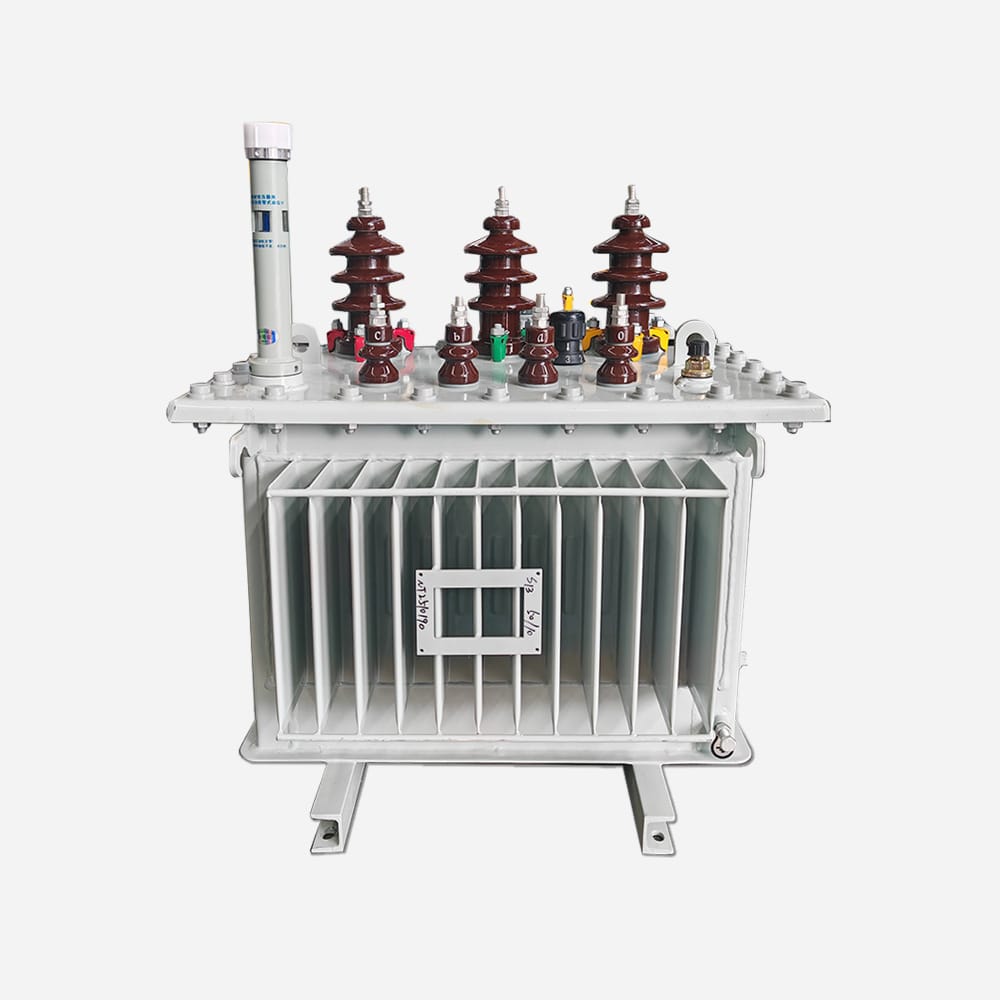
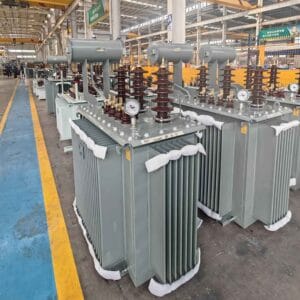
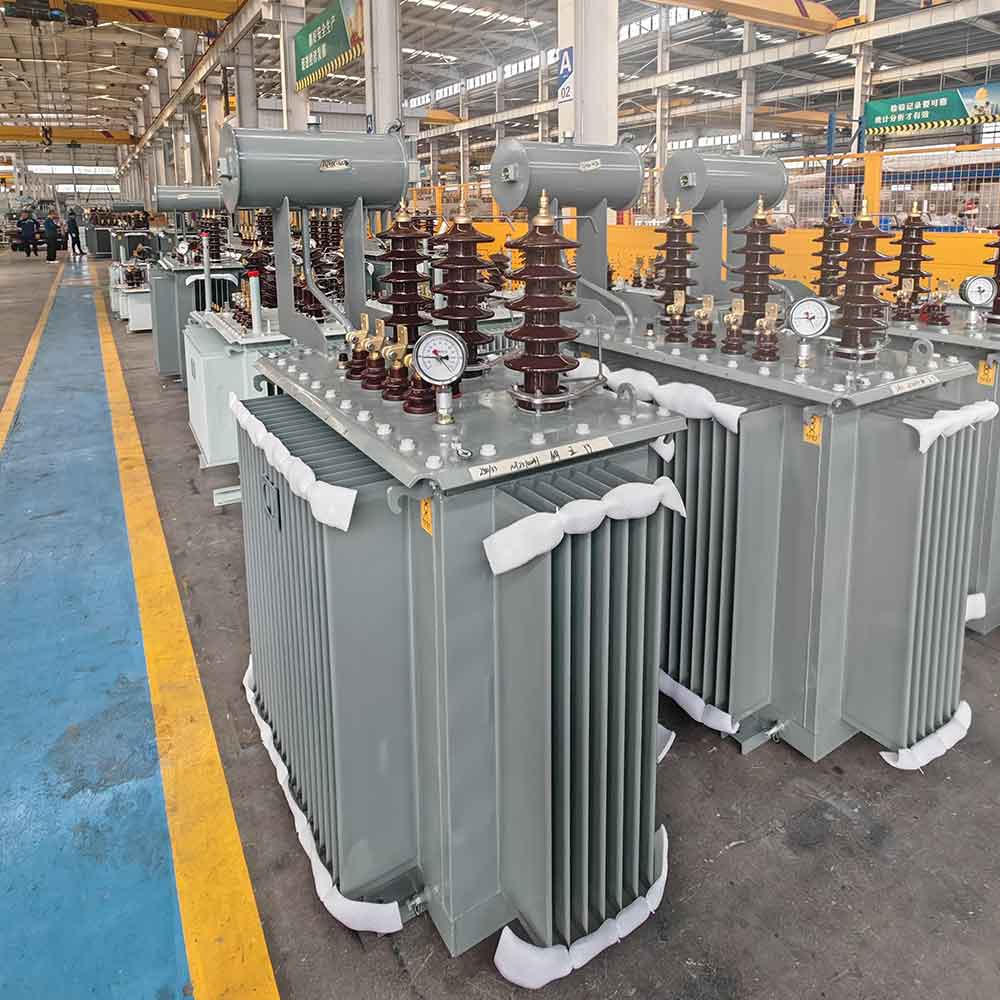
An oil immersed type transformer is a transformer that uses transformer oil as both a coolant and insulation medium. The transformer windings and core are submerged in oil inside a sealed tank. This oil serves two main functions:
- Cooling: It absorbs heat generated during operation and transfers it to the radiator or cooling system.
- Insulation: It increases the dielectric strength between internal components, improving overall safety and performance.
Definition and Basic Working Principle
When electrical power passes through the primary winding, a magnetic field is generated in the core. This magnetic field induces voltage in the secondary winding, producing a transformed output. During this process, heat is generated due to core losses and copper losses. Transformer oil absorbs this heat and helps maintain a stable operating temperature.
Key Components
- Core: Made of high-quality silicon steel laminations.
- Windings: Copper or aluminum conductors.
- Transformer Oil: Mineral oil or biodegradable alternatives.
- Tank and Radiators: For oil storage and cooling.
- Buchholz Relay, Pressure Relief Valve, and Oil Level Gauge: Safety and monitoring equipment.
How It Differs from Dry Type Transformers
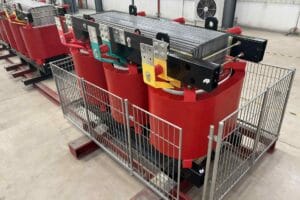
Oil immersed transformers have higher cooling capacity, higher load capacity, and longer service life compared to dry type transformers. Dry type transformers rely on air cooling, which limits their capacity and makes them more vulnerable to heat stress in heavy-load environments.
Why Oil Immersed Transformers Are Still Preferred in Power Systems
Despite the rise of dry type and cast resin transformers, oil immersed transformers continue to dominate power distribution and transmission systems for several reasons:
Cooling Efficiency and Thermal Performance
Oil has better thermal conductivity than air. This means oil immersed transformers can handle higher loads and maintain stable temperatures, reducing the risk of overheating.
High Load Capacity and Reliability
Oil immersed transformers are designed for heavy-duty applications, such as:
- Power distribution substations
- Industrial plants
- Mining operations
- Renewable energy systems
They are highly reliable under continuous high-load conditions.
Long Service Life and Durability
With proper maintenance, oil immersed transformers can operate reliably for 25–40 years. Their robust design makes them suitable for harsh environments and high-temperature regions.
Types of Oil Immersed Transformers
Oil immersed transformers can be classified based on application, cooling method, and phase type.
Power Transformers vs Distribution Transformers
- Power Transformers: Used in transmission networks and large substations. Typically rated above 30 MVA.
- Distribution Transformers: Used for local power distribution. Typically rated between 10 kVA and 5 MVA.
ONAN / ONAF Cooling Types
- ONAN (Oil Natural Air Natural): Natural oil circulation and natural air cooling.
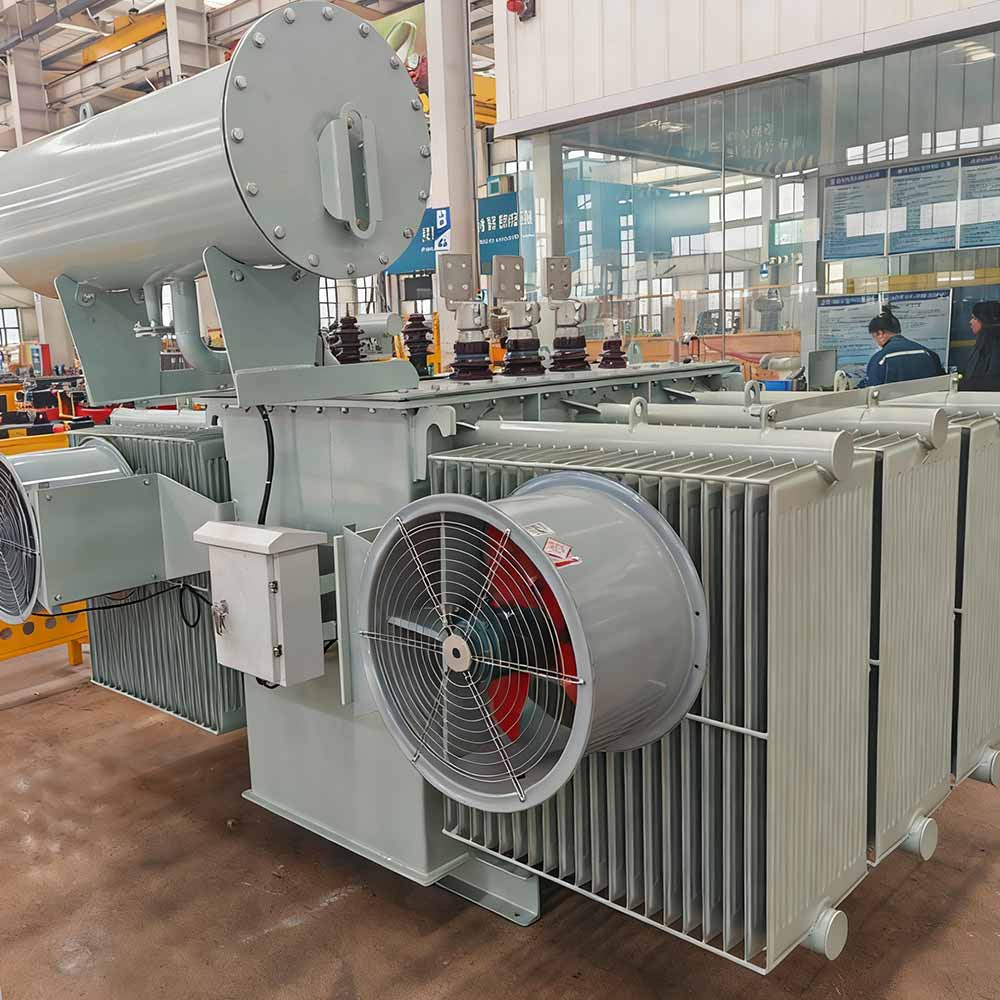
- ONAF (Oil Natural Air Forced): Natural oil circulation with forced air cooling using fans.
Single-Phase vs Three-Phase
- Single-phase transformers: Used for specific loads or rural distribution.
- Three-phase transformers: Standard for industrial and grid power systems.
Transformers with OLTC (On-load Tap Changer)
OLTC allows voltage regulation under load, making the transformer suitable for grid systems with variable voltage requirements.
Oil Immersed Transformer Design and Manufacturing Process
A high-quality oil immersed transformer starts with design excellence and strict manufacturing standards.
Core Design and Material Selection
The core is typically made from high-grade silicon steel laminations to minimize core losses. The design focuses on:
- Low noise
- High efficiency
- Minimal magnetic leakage
Winding Process and Insulation System
Windings are wound with precision to ensure uniformity and minimize electrical stress. Insulation systems use high-grade materials to withstand high voltages and temperature.
Oil Filling, Vacuum Drying, and Sealing
After winding and assembly, the transformer is vacuum dried to remove moisture. Oil is then filled under vacuum to ensure complete insulation and reduce the risk of air pockets.
Factory Testing (Routine & Type Tests)
All transformers undergo rigorous testing:
- Insulation resistance test
- Turns ratio test
- Dielectric strength test
- Load loss test
- Temperature rise test
This ensures each unit meets international standards and performs reliably in real-world conditions.
How to Choose the Right Oil Immersed Type Transformer for Your Project
Choosing the right transformer requires a careful balance between capacity, efficiency, and operating environment.
Rated Power (kVA / MVA) Selection
Selecting the right power rating depends on:
- Maximum load demand
- Future load expansion
- Load type (industrial vs residential)
Voltage Class and Application Scenario
Different projects require different voltage classes. For example:
- 11kV / 33kV distribution transformers
- 66kV / 110kV power transformers for substations
Efficiency, Load Losses, and Temperature Rise
High-efficiency transformers reduce energy loss and operating cost. Lower load losses and improved temperature rise performance are essential for long-term savings.
Choosing Between Mineral Oil and Bio-Based Transformer Oil
- Mineral Oil: Widely used, cost-effective, high insulation performance.
- Bio-Based Oil: Environmentally friendly, better biodegradability, suitable for sensitive locations.
Oil Immersed Transformer Cooling & Insulation Explained
ONAN, ONAF, OFAF Cooling Methods
- ONAN: Natural oil and air cooling. Suitable for normal load conditions.
- ONAF: Forced air cooling for high load and high temperature environments.
- OFAF (Oil Forced Air Forced): High-performance cooling for large transformers.
Oil Circulation and Radiator System
Oil circulates from the tank to the radiator, where heat is transferred to air. Fans can be added to improve cooling efficiency.
Insulation Types and Dielectric Strength
High-quality insulation systems improve safety and prevent electrical breakdown. Dielectric strength depends on:
- Oil purity
- Moisture level
- Aging condition
Why Cooling Impacts Transformer Lifespan
Excess heat accelerates insulation aging. Proper cooling reduces temperature stress and prolongs transformer life.
Installation, Commissioning and Safety Requirements
Site Selection and Foundation Requirements
Transformers must be installed on a solid foundation with adequate space for ventilation, maintenance, and safety clearance.
Installation Steps and Commissioning Checklist
- Inspect and verify all components
- Perform electrical and mechanical tests
- Ensure proper grounding and lightning protection
- Conduct oil sampling and dielectric tests
- Perform load test and monitor temperature
Grounding, Lightning Protection, and Safety Standards
Grounding and lightning protection ensure safety and prevent equipment damage. Compliance with IEC and IEEE standards is essential.
IEC / IEEE Standards Compliance
International standards ensure performance consistency and safety. Most high-quality transformers comply with:
- IEC 60076
- IEEE C57 series
Maintenance Tips for Oil Immersed Transformers
Proper maintenance is essential to extend transformer lifespan and prevent failures.
Oil Testing and Moisture Control
Regular oil testing detects:
- Moisture content
- Dissolved gases
- Acidity and oxidation
Leak Detection and Repair
Oil leaks can lead to insulation failure and environmental hazards. Early detection is critical.
Regular Inspection Schedule
Routine inspections include:
- Visual checks
- Temperature monitoring
- Oil level inspection
- Pressure relief valve testing
How to Extend Service Life
- Maintain proper cooling
- Use high-quality oil
- Perform scheduled maintenance
- Replace aging parts proactively
Common Problems and Troubleshooting
Overheating and Abnormal Temperature Rise
Causes:
- Overload
- Poor cooling
- High ambient temperature
Solutions:
- Reduce load
- Improve cooling system
- Check oil level and oil quality
Oil Oxidation and Sludge Formation
Aging oil produces sludge and reduces insulation. Regular oil filtration and replacement can prevent this.
Noise and Vibration Issues
Noise may result from:
- Loose laminations
- Mechanical vibration
- Magnetic flux imbalance
Solutions:
- Tighten core laminations
- Improve mounting
- Balance load
Winding Faults and Insulation Breakdown
Winding faults cause severe damage. Regular electrical testing can identify early signs.
Why Choose Us – Manufacturer Advantages and Custom Solutions
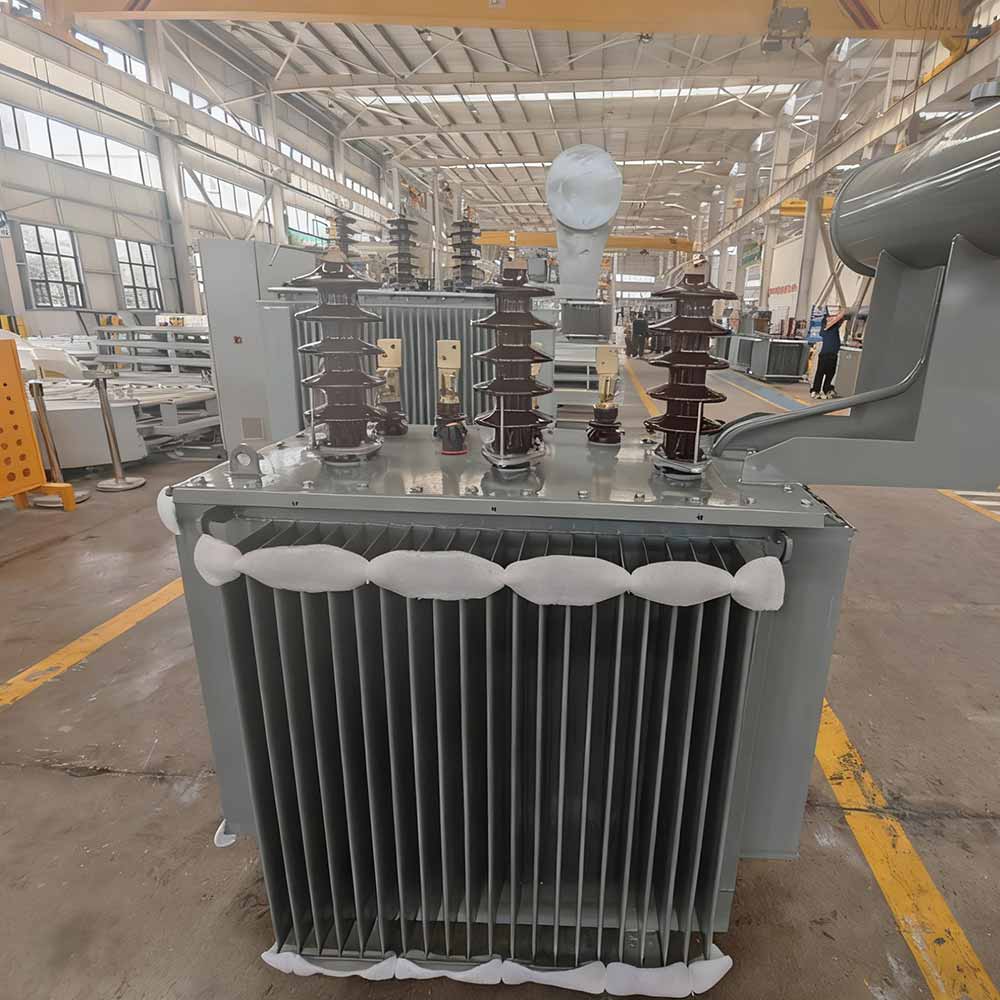
As a manufacturer, we provide more than just products—we provide solutions. Our core advantages include:
OEM/ODM Manufacturing Capability
We can design and manufacture transformers based on:
- Custom voltage ratings
- Special insulation requirements
- Unique cooling systems
- Specific environmental conditions
Custom Design for Special Voltage and Capacity
Whether you need a distribution transformer or a large power transformer, we offer custom design to match your project requirements.
Quality Control and Factory Testing
We ensure each unit meets:
- International standards
- Strict quality control protocols
- Full performance testing before delivery
After-Sales Support and Global Shipping
We provide:
- Installation guidance
- Technical support
- Fast shipping and global logistics
Conclusion
Oil immersed type transformers remain the backbone of power distribution and transmission systems due to their high efficiency, reliability, and long service life. As a manufacturer, our mission is to deliver quality transformers that meet international standards and provide stable performance under demanding conditions. Whether you need standard models or customized solutions, our manufacturing expertise and quality control ensure your project is supported from design to delivery.
If you are looking for a reliable partner for oil immersed transformer supply, custom manufacturing, or technical consultation, feel free to contact us. We are ready to support your project with professional solutions and fast delivery.
FAQ
What is the lifespan of an oil immersed transformer?
With proper maintenance, oil immersed transformers can last 25–40 years.
How often should transformer oil be tested?
Typically every 6–12 months, depending on load and environment.
Can oil immersed transformers be used outdoors?
Yes. Outdoor transformers require proper protection, grounding, and weatherproof design.
What is the difference between ONAN and ONAF?
ONAN uses natural cooling, while ONAF uses forced air cooling to improve heat dissipation.
How to choose the right transformer for a substation?
Consider load demand, voltage class, cooling method, and future expansion.