Table of Contents
Introduction
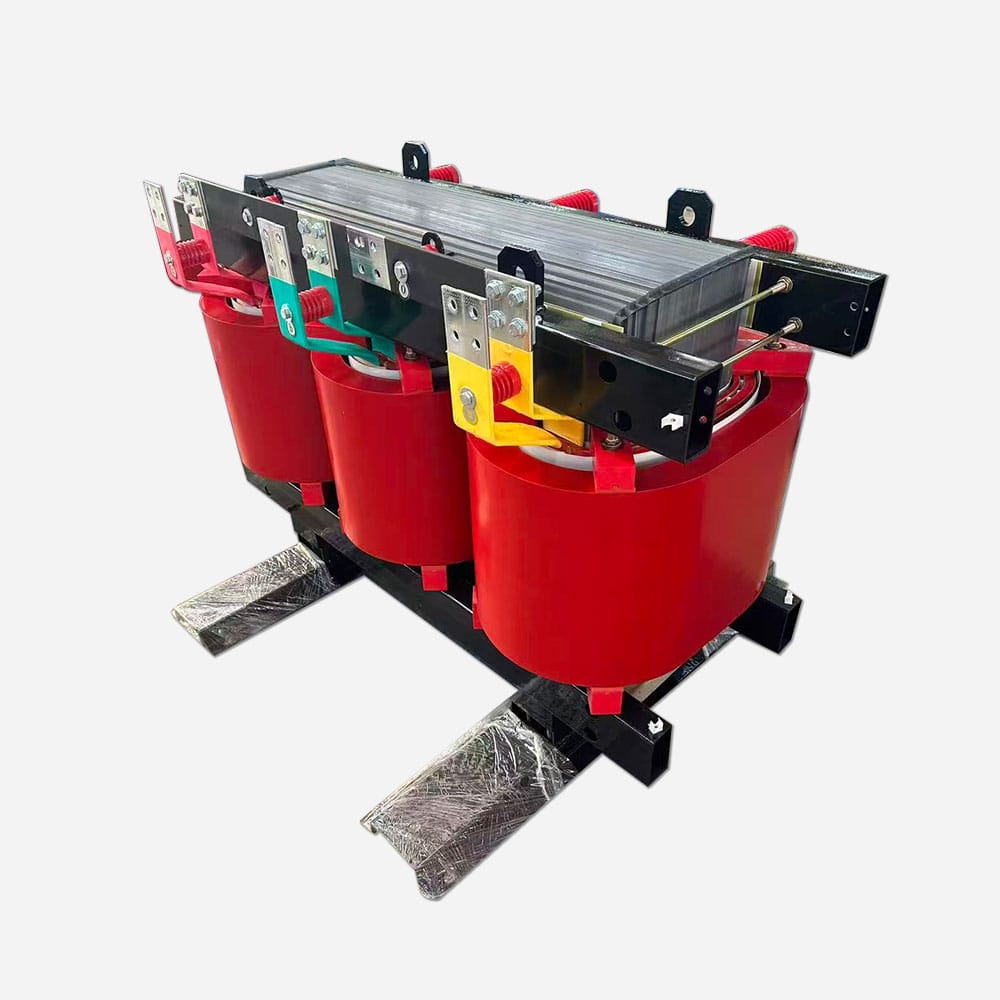
Dry type triplex transformers are a critical component in modern industrial power systems. Unlike traditional oil-filled transformers, these units rely on air as the primary cooling medium, making them inherently safer, environmentally friendly, and low maintenance. Their triplex winding design—three interconnected windings in a compact, efficient layout—ensures stable voltage regulation, reduced losses, and high reliability.
As a manufacturer specializing in dry type triplex transformers, we understand the demands of industrial facilities, commercial buildings, and renewable energy systems. This guide will help engineers, facility managers, and procurement specialists understand why these transformers are becoming the preferred choice across industries.
How Dry Type Triplex Transformers Work
At their core, dry type triplex transformers convert electrical energy from one voltage level to another while minimizing energy loss. The triplex design involves three sets of windings: primary, secondary, and tertiary. This configuration provides enhanced load distribution, reducing thermal stress and improving efficiency.
Key features of the working principle include:
- Air cooling that eliminates the risk of oil leaks or fire hazards.
- High dielectric strength due to cast resin insulation.
- Stable performance under varying load conditions.
Compared to single-phase transformers or other dry-type designs, triplex transformers offer higher reliability and better handling of unbalanced loads, which is essential for modern industrial environments.
Key Benefits of Dry Type Triplex Transformers
Safety Advantages
Dry type triplex transformers reduce fire risks, making them ideal for indoor installations. They meet strict environmental and safety standards, which is crucial for industrial facilities and commercial buildings.
Efficiency and Energy Savings
High-quality transformers minimize energy losses. The triplex winding design ensures even heat distribution, which reduces energy waste and contributes to lower operational costs over time.
Low Maintenance
Unlike oil-filled transformers, dry type triplex transformers do not require oil sampling or leakage checks. Routine inspections of temperature and connections are sufficient to maintain optimal performance.
Long-Term Reliability
Manufactured with high-grade insulation materials, these transformers resist moisture, dust, and chemical exposure, ensuring stable performance over decades.
Common Applications in Industry
Dry type triplex transformers are widely used in industries where safety, reliability, and efficiency are paramount:
- Manufacturing facilities for machinery and production lines
- Commercial buildings for power distribution
- Renewable energy systems, including solar and wind installations
- Mining and heavy industries requiring robust voltage support
How to Choose the Right Dry Type Triplex Transformer
Selecting the right transformer is critical to operational efficiency. Consider the following factors:
- Capacity and Voltage Requirements: Ensure the transformer matches your facility’s load and peak demand.
- Supplier Reliability: Verify certifications such as IEC, ISO, or UL.
- Customization Needs: Evaluate if your application requires standard or tailor-made solutions.
Transformer Selection Table
| Feature | Standard Dry Type Triplex | Custom Dry Type Triplex |
|---|---|---|
| Voltage Rating | Up to 35kV | Up to 72.5kV or higher |
| Capacity | 50 kVA – 3000 kVA | 50 kVA – 5000 kVA |
| Cooling | Air-cooled | Enhanced Air / Forced Air |
| Insulation Material | Epoxy Resin | Epoxy Resin / Advanced Composite |
| Installation | Indoor/Outdoor | Indoor/Outdoor with custom housing |
| Maintenance | Low | Low to Medium depending on design |
This table helps industrial buyers compare standard and custom models to choose the most suitable transformer for their facility.
Maintenance and Troubleshooting Tips
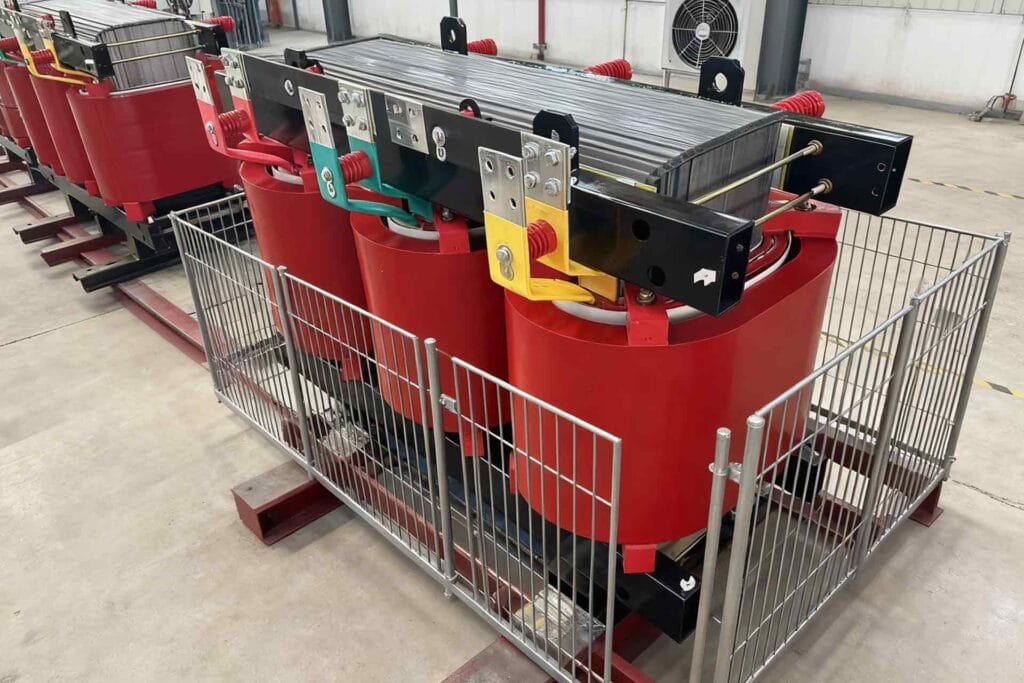
Routine maintenance ensures long-term efficiency. Common practices include:
- Regular inspection of windings and terminals for overheating signs
- Checking insulation integrity and ambient conditions
- Cleaning dust and debris to prevent air flow blockage
Common issues, such as voltage fluctuations or unusual noises, are often due to loose connections or environmental factors. Prompt inspection and professional support can prevent costly downtime.
Dry Type Triplex Transformers vs Other Transformer Types
Comparison with Oil-Filled Transformers
- Oil-filled transformers offer high capacity but pose fire hazards and require more maintenance.
- Dry type triplex transformers are safer, cleaner, and ideal for indoor use.
Comparison with Cast Resin Transformers
- Cast resin units are similar but often single winding; triplex design improves load handling and efficiency.
Cost-Benefit Analysis
While the initial cost may be slightly higher than standard models, the long-term savings in maintenance, energy efficiency, and safety make dry type triplex transformers a superior investment.
Innovations and Future Trends
Energy-efficient designs, smart monitoring systems, and IoT integration are transforming transformer technology. Modern dry type triplex transformers can now provide real-time performance data, predictive maintenance alerts, and optimized energy management for industrial facilities.
Materials and thermal performance continue to improve, allowing for smaller, lighter transformers with the same or better capacity, making installation easier and more cost-effective.
Selecting a Trusted Manufacturer
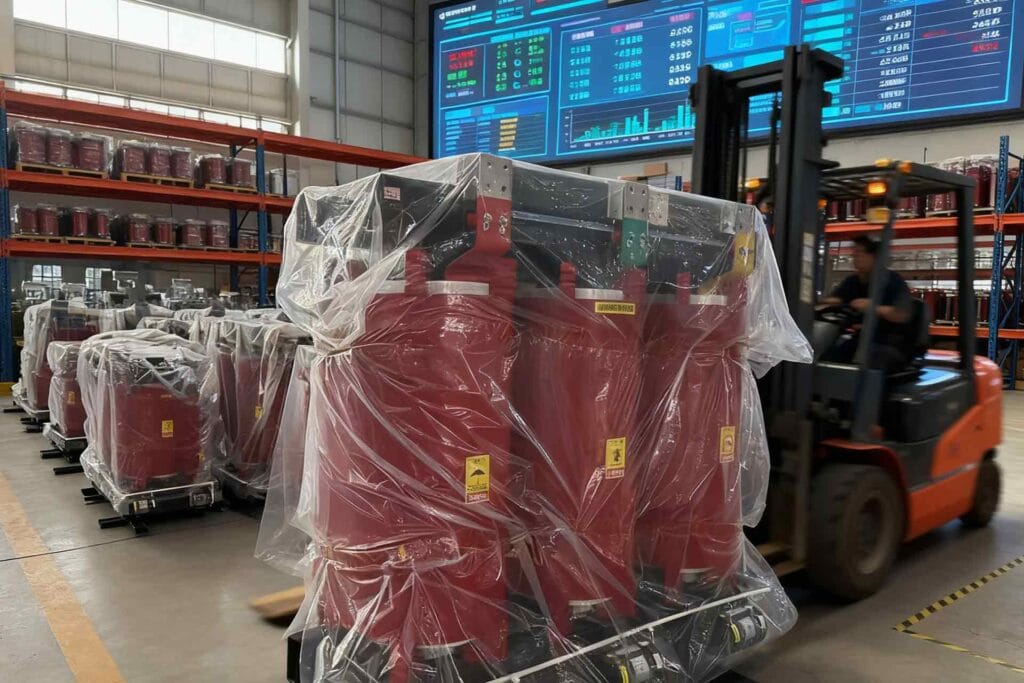
Choosing a reliable manufacturer ensures quality, safety, and consistent performance. Look for:
- Proven manufacturing expertise in dry type triplex transformers
- Compliance with international certifications (ISO9001, IEC, UL)
- Strong after-sales support and consultation services
As a dedicated manufacturer, we provide custom solutions, high-quality materials, and expert guidance to meet the unique needs of every industrial client.
Conclusion
Dry type triplex transformers are an essential investment for modern industrial and commercial applications. Their safety, efficiency, low maintenance, and reliability make them a preferred choice over traditional transformer types.
By selecting the right transformer and partnering with a trusted manufacturer, businesses can optimize energy usage, reduce operational risks, and ensure long-term performance. Contact us today to explore our range of dry type triplex transformers and find a solution tailored to your facility’s needs.
FAQ
Q1: What is a dry type triplex transformer?
A: A dry type triplex transformer is a transformer that uses air for cooling instead of oil and features three interconnected windings for efficient load distribution. It is widely used in industrial and commercial applications for safe and reliable power distribution.
Q2: What are the main advantages of dry type triplex transformers?
A: Key advantages include improved safety, low maintenance, energy efficiency, long-term reliability, and suitability for indoor installations. Their triplex winding design ensures stable voltage and reduced losses.
Q3: Where are dry type triplex transformers commonly used?
A: They are commonly used in manufacturing facilities, commercial buildings, renewable energy systems, mining operations, and other industrial settings where safety and efficiency are essential.
Q4: How do I maintain a dry type triplex transformer?
A: Maintenance involves regular inspection of windings and connections, cleaning dust and debris, and monitoring for unusual noises or overheating. Proper routine care ensures long-term efficiency and reliability.
Q5: How do dry type triplex transformers compare to oil-filled transformers?
A: Dry type triplex transformers are safer, environmentally friendly, and require less maintenance than oil-filled transformers, making them ideal for indoor and industrial applications, despite a slightly higher initial cost.