Table of Contents
Introduction
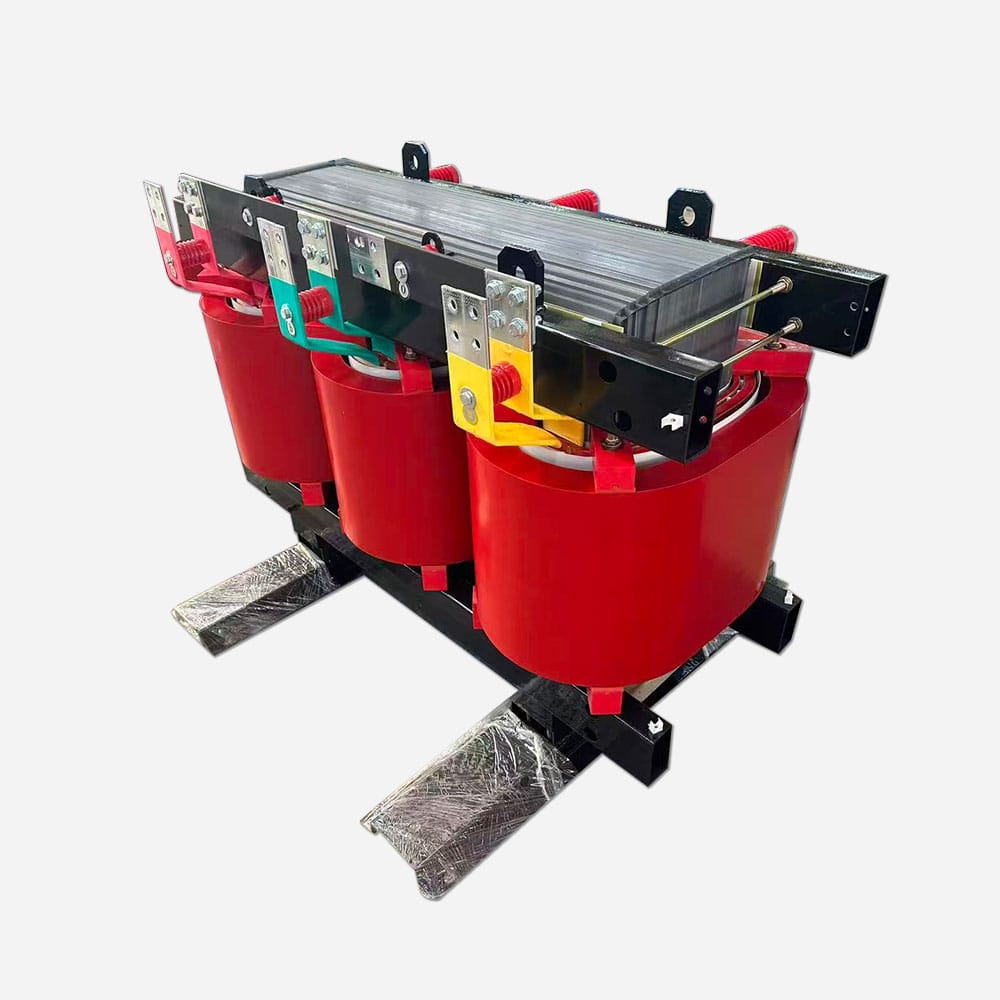
Dry type distribution transformers are an essential component in modern electrical systems, offering a safe and efficient way to distribute electricity in commercial, industrial, and residential settings. Unlike traditional oil-filled transformers, dry type transformers use air as the primary cooling medium, which makes them environmentally friendly and reduces fire hazards.
As a manufacturer of high-quality dry type distribution transformers, we have seen increasing demand for these transformers due to their reliability, low maintenance requirements, and adaptability to various industrial applications. Understanding their design, benefits, and applications can help businesses make informed decisions about their electrical distribution systems.
How Dry Type Distribution Transformers Work
The working principle of a dry type distribution transformer is straightforward but highly efficient. Electricity flows into the transformer through the primary winding, generating a magnetic field in the laminated steel core. This magnetic field induces a current in the secondary winding, delivering the required voltage for end-use applications.
Key components of a dry type transformer include:
- Core: Laminated steel or amorphous metal to reduce energy loss.
- Windings: Typically copper or aluminum, designed for optimal conductivity.
- Insulation: Air, epoxy resin, or other materials to provide thermal and electrical protection.
These transformers are designed to handle varying loads while maintaining high efficiency and minimal energy loss, making them ideal for industrial facilities, commercial buildings, and renewable energy systems.
Key Advantages of Dry Type Distribution Transformers
Dry type distribution transformers offer several advantages over other types of transformers, including:
- Safety: Fire-resistant and low risk of oil leaks.
- Energy Efficiency: Low power losses and high operational efficiency.
- Low Maintenance: No need for oil replacement, simpler inspections, and cleaning.
- Durability: Long lifespan even in harsh environmental conditions.
- Noise Reduction: Minimal sound compared to oil-filled transformers.
These advantages make dry type transformers suitable for industries where safety, efficiency, and reliability are critical, such as hospitals, factories, and commercial complexes.
Applications of Dry Type Distribution Transformers
Dry type transformers are versatile and widely used across various sectors:
- Industrial Facilities: Factories, manufacturing plants, and workshops.
- Commercial Buildings: Offices, malls, hotels, and hospitals.
- Renewable Energy: Solar and wind power integration.
- Harsh Environments: Areas with high humidity, dust, or extreme temperatures.
| Application Area | Key Benefits | Typical Transformer Rating |
|---|---|---|
| Industrial Facilities | High load capacity, low maintenance | 100–2000 kVA |
| Commercial Buildings | Quiet operation, space-efficient | 50–500 kVA |
| Renewable Energy Systems | Energy-efficient, eco-friendly | 75–1500 kVA |
| Harsh Environments | Fire-resistant, reliable performance | 50–1000 kVA |
This table highlights the adaptability of dry type distribution transformers in different scenarios, helping users choose the right model for their specific requirements.
How to Choose the Right Dry Type Distribution Transformer
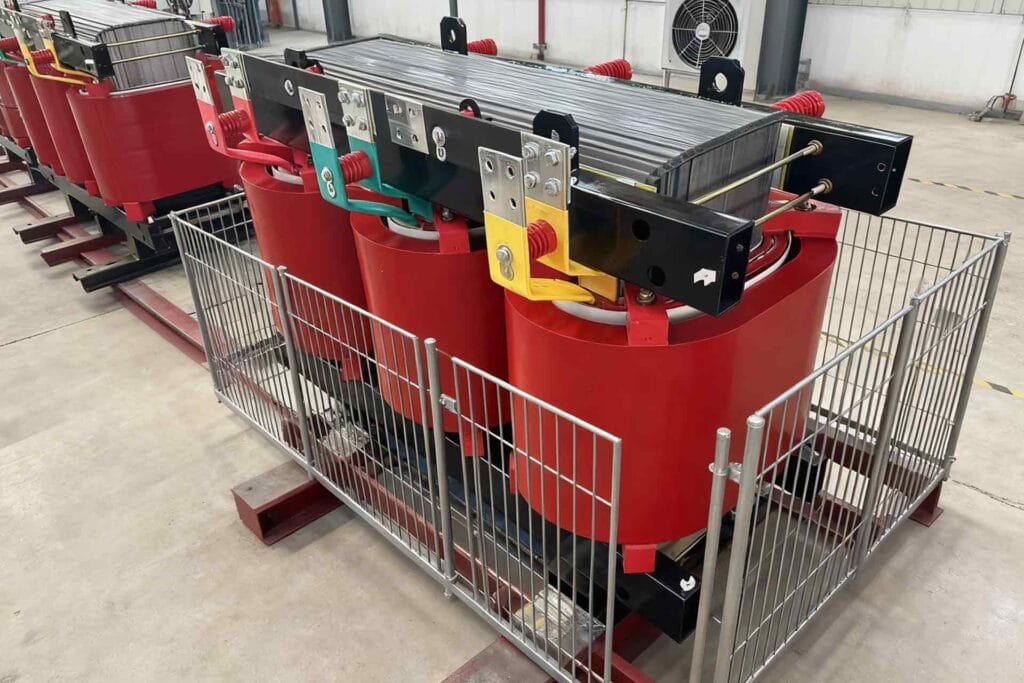
Selecting the appropriate transformer depends on several factors:
- kVA Rating: Must match the expected load to ensure efficiency.
- Voltage Level: Primary and secondary voltage should align with system requirements.
- Insulation Type: Epoxy resin or cast resin for better thermal and electrical performance.
- Efficiency and Energy Savings: Consider low-loss designs to reduce operational costs.
- Compliance: Ensure adherence to industry standards like IEC or IEEE.
Choosing the right transformer ensures operational safety, reduces downtime, and maximizes energy efficiency.
Installation and Maintenance Best Practices
Proper installation and maintenance are critical to the performance and longevity of dry type distribution transformers:
- Installation: Ensure proper ventilation, grounding, and load balancing.
- Regular Inspections: Check insulation, connections, and temperature levels.
- Cleaning: Remove dust and debris to prevent overheating.
- Preventive Maintenance: Schedule routine checks for any wear or potential issues.
- Troubleshooting: Identify and fix common problems such as overheating, voltage fluctuations, or unusual noise.
Following these practices ensures that your transformer operates reliably for years.
Common Misconceptions and FAQs
Many people misunderstand the differences between dry type and oil-filled transformers:
- Myth: Dry type transformers are less efficient.
Fact: Modern dry type transformers can achieve efficiency levels comparable to oil-filled ones. - Myth: They are noisier.
Fact: Properly designed dry type transformers produce minimal sound. - Myth: They are only suitable for small applications.
Fact: Dry type transformers are available in a wide range of ratings, from 50 kVA to over 2000 kVA.
Addressing these misconceptions can help potential buyers make informed decisions.
Innovations and Trends in Dry Type Distribution Transformers
As technology evolves, dry type distribution transformers are incorporating new innovations:
- Energy-Efficient Designs: Low-loss cores and improved insulation.
- Smart Monitoring: Real-time monitoring of temperature, load, and performance.
- Eco-Friendly Materials: Reduced environmental impact with sustainable components.
- Integration with Renewable Energy: Adapted for solar and wind power systems.
These trends demonstrate the growing importance of dry type transformers in modern electrical distribution systems.
Why Choose Us as Your Dry Type Transformer Manufacturer
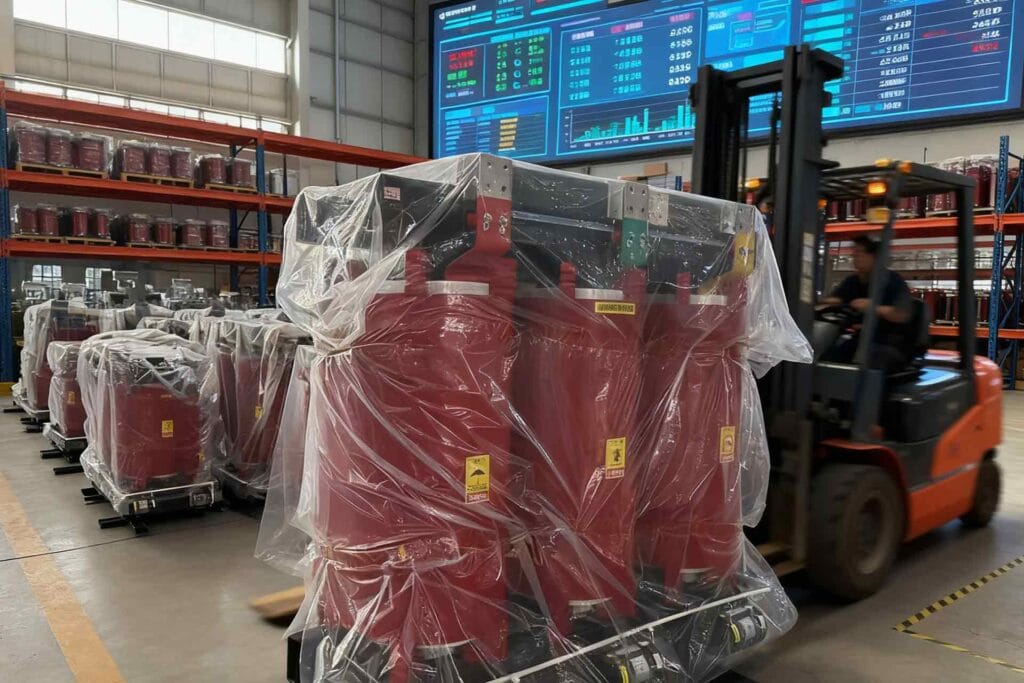
As a leading manufacturer, we focus on delivering high-quality dry type distribution transformers tailored to your needs:
- Advanced Manufacturing: Precision engineering and rigorous quality control.
- Customization: Solutions for specific voltage, kVA, and environmental requirements.
- Technical Support: Expert guidance during selection, installation, and maintenance.
- Reliability: Proven track record across industrial and commercial applications.
Partnering with a reliable manufacturer ensures long-term performance and peace of mind for your electrical systems.
Conclusion
Dry type distribution transformers offer unmatched safety, efficiency, and versatility for a wide range of applications. By understanding their working principles, benefits, and proper maintenance, businesses can optimize energy distribution and reduce operational risks. Choosing a reputable manufacturer is critical to ensure high-quality performance, long lifespan, and compliance with industry standards.
Whether you are upgrading your electrical systems or planning a new installation, investing in a reliable dry type distribution transformer is a smart and future-proof decision.
FAQ
Q1: What is a dry type distribution transformer?
A1: A dry type distribution transformer is an electrical device that distributes voltage using air instead of oil for insulation and cooling. It is safe, low-maintenance, and widely used in industrial and commercial settings.
Q2: What are the advantages of a dry type distribution transformer?
A2: Key advantages include enhanced safety, energy efficiency, low noise, minimal maintenance, and long lifespan, making it ideal for commercial and industrial applications.
Q3: How do I choose the right dry type distribution transformer?
A3: Consider factors like kVA rating, voltage level, insulation type, efficiency, and compliance with industry standards to select a transformer suitable for your facility.
Q4: Where are dry type distribution transformers commonly used?
A4: They are commonly used in commercial buildings, industrial facilities, renewable energy systems, and areas with strict safety and environmental requirements.
Q5: How should a dry type distribution transformer be maintained?
A5: Regular inspections, cleaning, proper ventilation, load balancing, and preventive maintenance ensure reliability and prolong the transformer’s lifespan.