Table of Contents
Understanding Oil Immersed Transformers
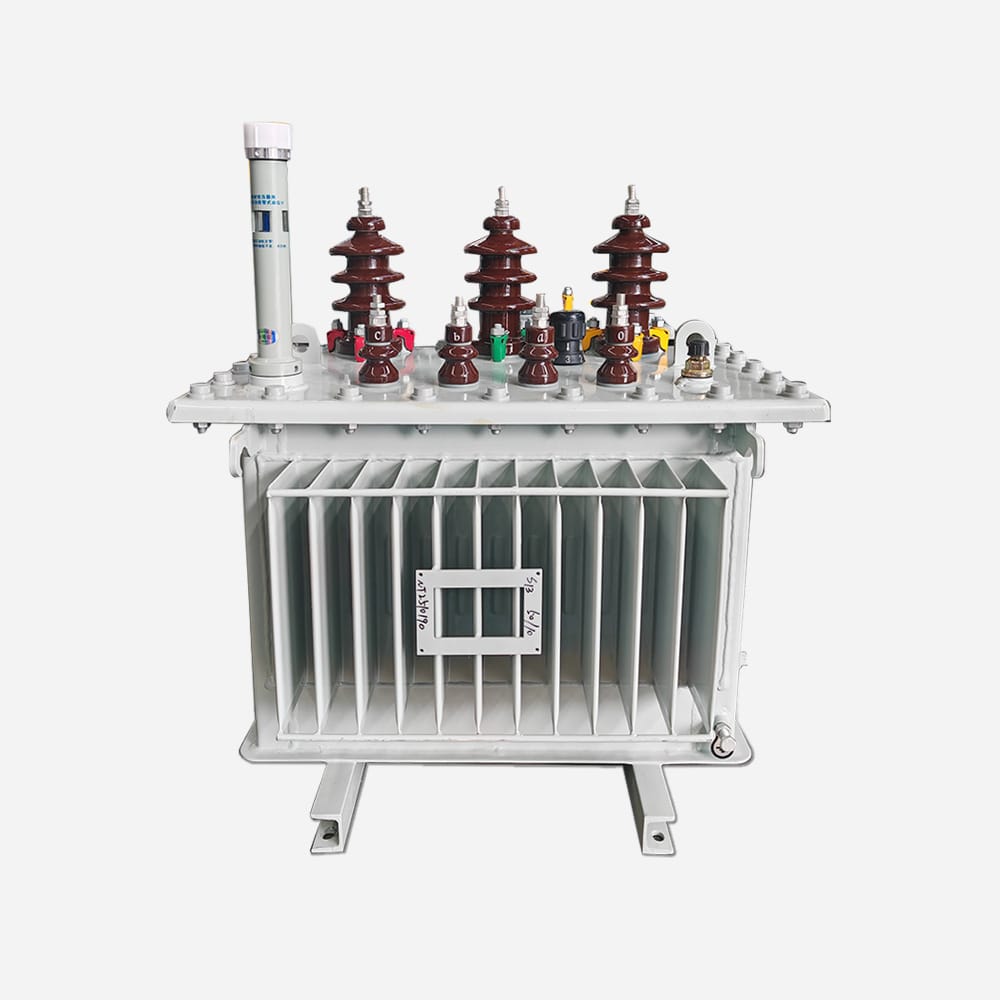
What Is an Oil Immersed Transformer?
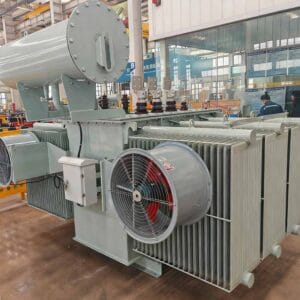
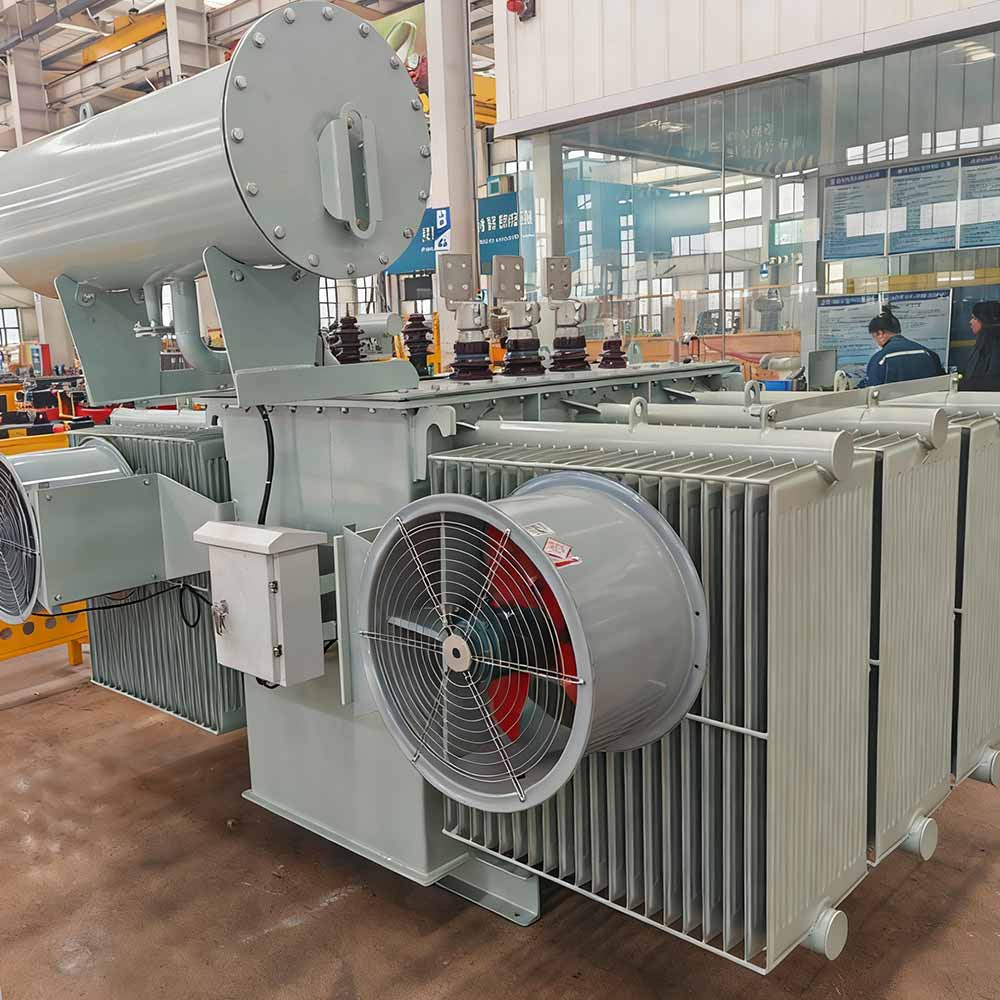
An oil immersed transformer is a power distribution device where the core and windings are submerged in insulating oil. This oil serves dual purposes: it provides electrical insulation and facilitates efficient heat dissipation. During operation, the transformer oil circulates through the unit, transferring heat away from critical components to external radiators or cooling fins. This design makes oil immersed transformers particularly effective for high-voltage power transmission and industrial applications, where reliability and thermal management are essential.
Key Types of Oil Immersed Transformers
Oil immersed transformers come in various configurations designed for specific applications:
- High-voltage power transformers (typically above 35kV) used in transmission networks and substations
- Medium-voltage distribution transformers (10kV-35kV) for industrial and commercial distribution
- Low-voltage transformers for localized power distribution
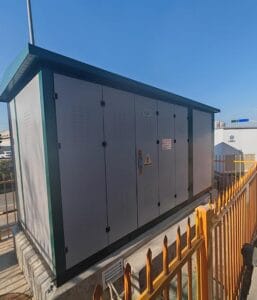
- Pad-mounted transformers for urban and residential applications
Unlike dry-type transformers that use air or solid insulation, oil immersed variants offer superior cooling capabilities, higher overload capacity, and longer operational life, making them ideal for industrial plants, power generation facilities, and large-scale infrastructure projects.
Importance of Certification in Transformer Manufacturing
Industry Standards for Oil Immersed Transformers
Leading manufacturers comply with rigorous international standards to ensure quality and safety. The IEC 60076 series establishes comprehensive requirements for power transformers, covering insulation levels, temperature rise limits, and testing procedures. In North America, IEEE C57 standards and DOE 2016 efficiency regulations provide additional compliance frameworks. These standards address critical aspects including dielectric strength, thermal performance, and mechanical durability.
How Certification Ensures Quality
Certification is more than paperwork—it’s your assurance of manufacturing excellence. Certified manufacturers implement:
- Strict material controls – CRGO (Cold Rolled Grain Oriented) silicon steel cores, high-grade copper windings, and premium insulating oils meeting IEC 60296 specifications
- Precision manufacturing processes – Automated core cutting, vacuum oil impregnation, and controlled winding techniques
- Comprehensive testing protocols – Dielectric withstand tests, temperature rise verification, partial discharge measurements, and impulse voltage testing
For procurement teams, this means reduced risk of equipment failure, predictable performance, and documentation that satisfies regulatory and insurance requirements.
Advantages of Choosing a Certified Manufacturer
Partnering with a certified oil immersed transformer manufacturer delivers tangible business benefits:
- Enhanced Safety and Reliability – Units designed to withstand short-circuit forces, thermal stress, and environmental challenges, minimizing unplanned outages
- Reduced Maintenance Costs – Quality construction translates to fewer breakdowns and extended service intervals, lowering total cost of ownership
- Procurement Compliance – Certification documentation meets the requirements of utility companies, industrial facilities, and government projects that mandate vendor qualification
- Warranty Protection – Certified products typically carry comprehensive warranties backed by manufacturers with proven track records
Factors to Consider When Selecting an Oil Immersed Transformer Manufacturer
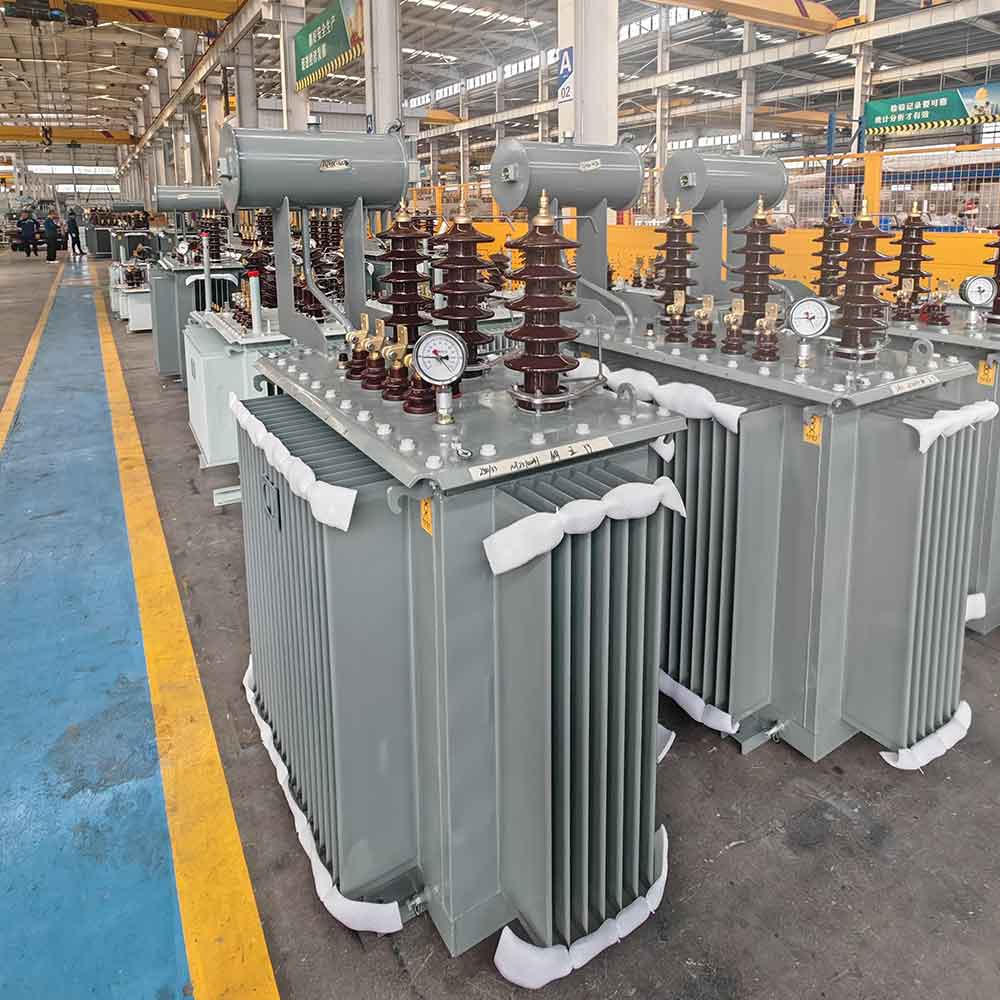
Production Capacity and Equipment
Look for manufacturers with vertically integrated operations—from core fabrication and coil winding to tank construction and final assembly. In-house capabilities ensure quality control at every stage and shorter delivery times. Modern facilities should feature automated core cutting machines, vacuum oil filling systems, and high-voltage test laboratories.
Technical Expertise and R&D
A robust engineering team with experience in transformer design is essential. Evaluate their portfolio of custom solutions and ability to handle special requirements such as:
- High-altitude or extreme climate specifications
- Special voltage ratios or tap configurations
- Corrosion-resistant designs for harsh environments
- Integration with smart grid monitoring systems
Customization Capabilities and Lead Times
Every project has unique requirements. Your manufacturing partner should offer flexible design options while maintaining reasonable delivery schedules. Ask about their experience with similar applications and request references from comparable projects.
Customer Track Record and Market Reputation
Industry longevity and a diverse client base indicate reliability. Look for manufacturers serving utilities, EPC contractors, and industrial facilities across multiple regions. Positive testimonials and long-term customer relationships are strong indicators of consistent quality and service.
Maintenance and Support Services
A manufacturer’s responsibility extends beyond delivery. Comprehensive after-sales support includes:
- Regular oil quality monitoring – Dielectric strength testing, moisture content analysis, and dissolved gas analysis (DGA) to detect developing issues
- Remote monitoring capabilities – Integration with SCADA systems for real-time performance tracking
- Technical assistance – On-site support for installation, commissioning, and troubleshooting
- Preventive maintenance programs – Scheduled inspections and testing to extend transformer life and optimize performance
Innovations and Energy Efficiency
The transformer industry continues to evolve with advances in materials and technology:
- Energy-efficient designs – Low-loss core materials, optimized winding configurations, and improved cooling systems reduce operating costs and environmental impact
- Ester-based insulating fluids – Synthetic and natural ester oils offer higher fire points and biodegradability, enhancing safety in sensitive environments
- Smart monitoring systems – IoT-enabled sensors track temperature, load, and oil conditions, enabling predictive maintenance and reducing unplanned downtime
- Sustainable manufacturing – Environmentally responsible production processes and recyclable materials align with corporate sustainability goals
Common Applications of Oil Immersed Transformers
Oil immersed transformers power critical infrastructure across multiple sectors:
- Power distribution systems – From utility substations to industrial switchyards, ensuring reliable voltage transformation for grid operations
- Industrial facilities – Manufacturing plants, refineries, and processing facilities requiring robust, continuous power supply
- Renewable energy projects – Solar farms and wind installations use step-up transformers to connect generation sources to the grid
- Data centers – Large-scale computing facilities depend on efficient, reliable power distribution
- Mining operations – Harsh environment transformers designed to withstand dust, vibration, and temperature extremes
Comparing Oil Immersed vs Dry Type Transformers
Understanding the differences helps you select the right technology for your application:
| Factor | Oil Immersed Transformer | Dry Type Transformer |
|---|---|---|
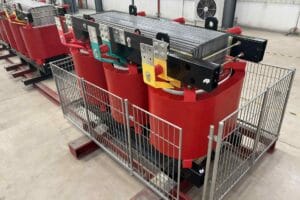
| Cooling Medium | Insulating oil (mineral or ester) | Air or solid insulation (epoxy, resin) |
| Typical Voltage Range | Up to 765kV+ | Typically ≤35kV |
| Efficiency | Higher thermal efficiency, lower losses | Slightly higher losses due to air cooling |
| Fire Safety | Requires fire protection measures | Self-extinguishing, ideal for indoor use |
| Maintenance | Periodic oil testing and filtration | Minimal maintenance, no fluid handling |
| Installation | Typically outdoor or dedicated rooms | Suitable for indoor installation |
| Lifespan | 25-40 years with proper maintenance | 15-25 years |
| Best Applications | High-voltage transmission, large industrial loads | Commercial buildings, data centers, hospitals |
For outdoor substations, high-voltage applications, and heavy industrial environments, oil immersed transformers offer superior performance and lifecycle value. Dry-type alternatives excel in indoor installations where fire safety and minimal maintenance are priorities.
How Our Manufacturing Process Stands Out
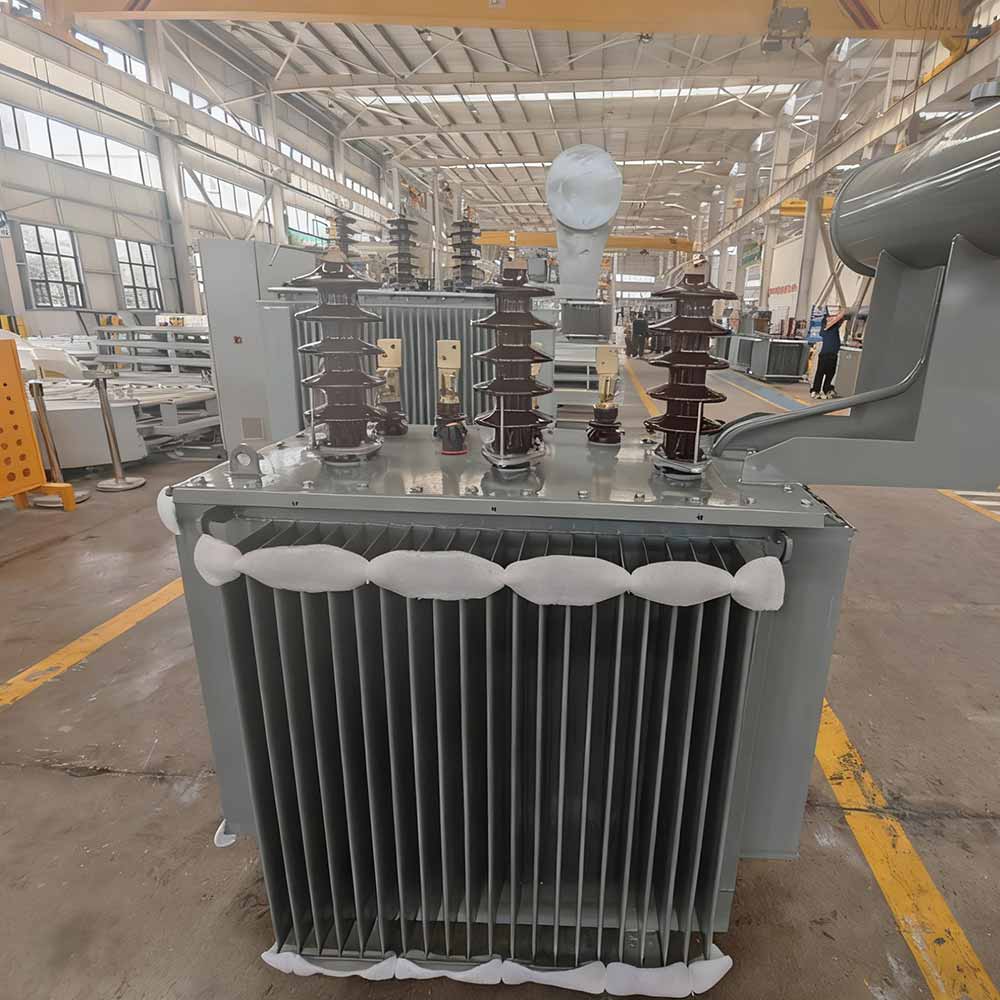
Our manufacturing operation combines advanced technology with proven craftsmanship to deliver oil immersed transformers that meet the most demanding specifications:
Quality-Focused Production
Every transformer undergoes rigorous quality control throughout the manufacturing process. We use premium CRGO silicon steel cores precision-cut to minimize losses, high-conductivity copper windings for optimal efficiency, and vacuum oil impregnation to eliminate voids and ensure complete insulation penetration.
Comprehensive Testing
Before shipment, each unit completes a full test regimen including:
- Winding resistance and ratio verification
- Dielectric withstand tests per IEC 60076-3
- Temperature rise testing under load conditions
- Partial discharge measurements for high-voltage units
- Oil quality analysis and moisture content verification
Custom Engineering Solutions
Our engineering team works closely with customers to develop transformer designs tailored to specific project requirements. From special voltage ratios and tap configurations to environmental adaptations and monitoring system integration, we deliver solutions that match your exact specifications.
Proven Project Experience
Our transformers power critical infrastructure across multiple industries—from utility substations and renewable energy installations to manufacturing facilities and data centers. Long-term customer relationships and repeat business demonstrate our commitment to quality and reliability.
Conclusion
Choosing a certified oil immersed transformer manufacturer is a strategic decision that impacts your project’s success for decades. Certification ensures compliance with international standards, validates manufacturing quality, and provides documentation that satisfies procurement requirements.
When you partner with an experienced manufacturer, you gain more than equipment—you get technical expertise, reliable support, and the confidence that your power system will perform safely and efficiently over its entire lifecycle. Quality engineering, rigorous testing, and responsive service are the hallmarks of manufacturers who prioritize long-term customer relationships over quick sales.
Contact our team today to discuss your transformer requirements and learn how our certified manufacturing capabilities can support your next project.
FAQ
Q: What is an oil immersed transformer?
A: An oil immersed transformer is a power distribution device where the core and windings are submerged in insulating oil. The oil provides both electrical insulation and efficient heat dissipation, making these transformers ideal for high-voltage applications and industrial environments where reliable thermal management is essential.
Q: What standards should a certified oil immersed transformer manufacturer meet?
A: Leading manufacturers comply with international standards including IEC 60076 series for power transformers, IEEE C57 standards in North America, and DOE 2016 efficiency regulations. These certifications ensure compliance with requirements for insulation levels, temperature rise limits, dielectric strength, and testing protocols.
Q: How do oil immersed transformers compare to dry-type transformers?
A: Oil immersed transformers typically support higher voltages (up to 765kV+), offer better cooling efficiency and longer lifespan (25-40 years), making them suitable for outdoor substations and heavy industrial applications. Dry-type transformers excel in indoor installations where fire safety and minimal maintenance are priorities, but are typically limited to voltages below 35kV.
Q: What maintenance do oil immersed transformers require?
A: Regular maintenance includes oil quality monitoring (dielectric strength testing, moisture content analysis, and dissolved gas analysis), periodic oil filtration or replacement, and inspection of cooling systems. Many certified manufacturers also offer remote monitoring capabilities and preventive maintenance programs to extend transformer life.
Q: Why should I choose a certified oil immersed transformer manufacturer?
A: Certified manufacturers provide assurance of quality through strict material controls, precision manufacturing processes, and comprehensive testing. This translates to enhanced safety and reliability, reduced maintenance costs, compliance with procurement requirements, and warranty protection—ultentially lowering total cost of ownership over the transformer’s operational life.