Table of Contents
Introduction

The success of any electrical infrastructure project hinges on one critical decision: choosing the right box type substation supplier. This choice isn’t just about purchasing equipment—it’s about partnering with a manufacturer who understands your project’s unique requirements, delivers consistent quality, and provides reliable support throughout the equipment’s lifecycle.
When you work with a professional box type substation manufacturer, you’re not just buying a product; you’re investing in project reliability, cost efficiency, and long-term performance. A supplier with deep technical expertise can help you navigate complex specifications, optimize designs for your specific application, and ensure compliance with international standards. Conversely, choosing an inexperienced or unreliable supplier can lead to costly delays, quality issues, and operational headaches that extend far beyond the initial purchase.
In today’s competitive industrial landscape, where project margins are tight and timelines are aggressive, the impact of supplier selection on project outcomes cannot be overstated. The right supplier becomes an extension of your team, providing technical guidance, quality assurance, and responsive support that can mean the difference between project success and failure.
Understanding Box Type Substations
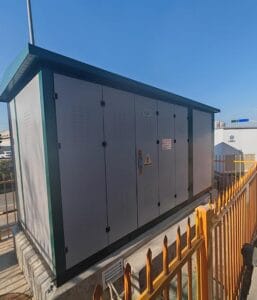
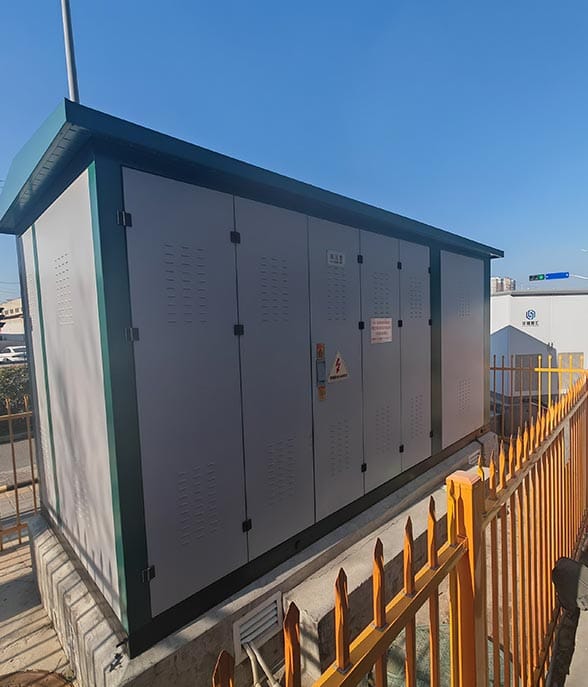
Box type substations, also known as prefabricated substations or compact substations, represent a modern approach to electrical power distribution. These integrated solutions combine high-voltage switchgear, transformers, low-voltage distribution equipment, and auxiliary systems into a single, weather-resistant enclosure designed for easy installation and operation.
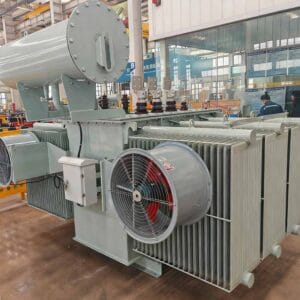
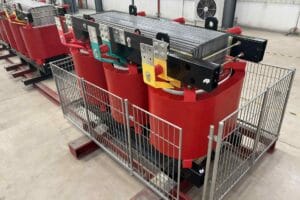
A typical box type substation consists of several key components: high-voltage incoming cabinets, transformer compartments, low-voltage distribution panels, protection and control systems, and auxiliary equipment such as cooling systems, fire protection, and monitoring devices. What sets these units apart from traditional substations is their modular design and factory-built construction, which significantly reduces on-site installation time and ensures consistent quality control.
The differences between prefabricated, compact, and traditional substations are substantial. While traditional substations require extensive on-site construction, civil engineering work, and lengthy installation periods, box type substations arrive factory-tested and ready for rapid deployment. Compact substations offer space-saving designs ideal for urban environments or facilities with limited space availability.
Standard specifications typically include voltage ratings of 11kV and 33kV, with transformer capacities ranging from 500kVA to 1000kVA and beyond. These specifications can be customized based on project requirements, load calculations, and environmental conditions at the installation site.
Key Factors When Evaluating a Supplier
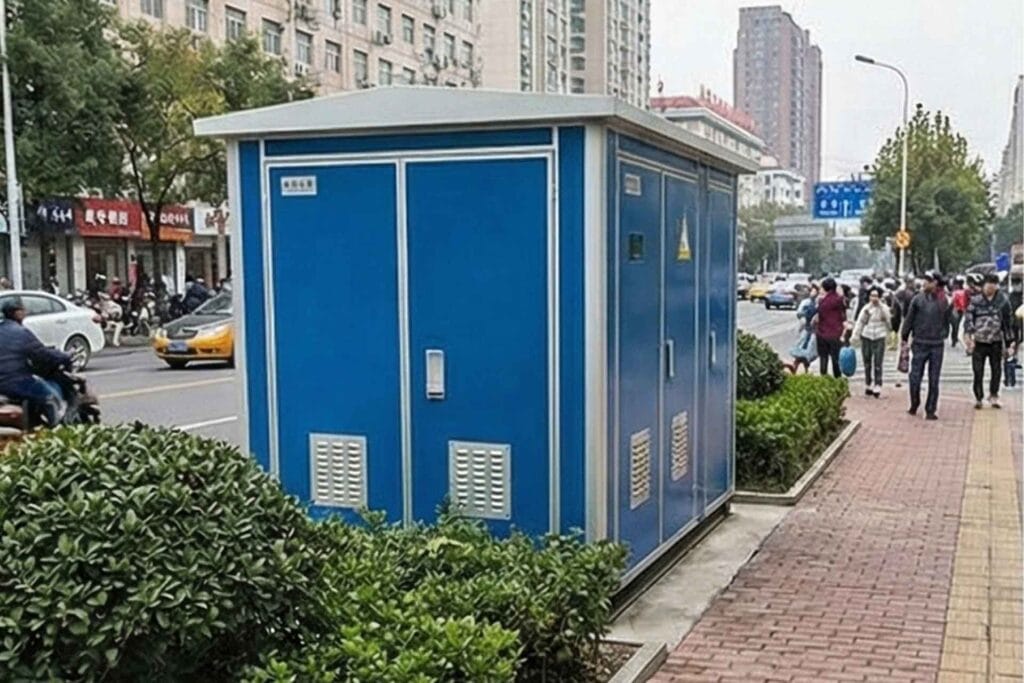
When evaluating potential box type substation suppliers, several critical factors deserve careful consideration. Manufacturing capabilities and production capacity are fundamental indicators of a supplier’s ability to meet your project requirements on time and to specification. A supplier with modern production facilities, automated manufacturing equipment, and experienced engineering teams can consistently deliver high-quality units that meet exacting standards.
Certifications and compliance represent non-negotiable requirements in the electrical equipment industry. Leading suppliers maintain certifications such as ISO 9001 for quality management, ISO 14001 for environmental management, and compliance with IEC standards for electrical equipment. These certifications demonstrate a commitment to quality and provide assurance that products meet international safety and performance requirements.
Quality assurance and testing procedures separate superior suppliers from the rest. Look for manufacturers who conduct rigorous testing throughout the production process, including type testing, routine testing, and special tests as per customer requirements. Factory acceptance testing (FAT) and site acceptance testing (SAT) protocols should be well-defined and documented.
Experience with diverse industrial applications is another crucial consideration. A supplier who has successfully delivered substations for industrial plants, solar power projects, wind farms, construction projects, and urban infrastructure applications brings valuable insights and problem-solving capabilities to your project. This diverse experience enables them to anticipate challenges and propose optimal solutions based on real-world application knowledge.
Comparing Box Type Substation Suppliers
The supplier landscape includes various options, each with distinct advantages and considerations. Understanding these differences helps you make an informed decision aligned with your project requirements.
OEM vs Non-OEM Suppliers:
| Supplier Type | Advantages | Considerations |
|---|---|---|
| OEM Manufacturers | Direct control over quality, custom design capabilities, technical expertise, competitive pricing, warranty support | May have longer lead times for highly customized units |
| Non-OEM Suppliers | Potentially faster delivery for standard units, broader product range | Less control over manufacturing quality, limited customization, higher costs |
Working directly with OEM manufacturers offers significant advantages, including direct access to engineering expertise, complete quality control throughout the manufacturing process, and the ability to customize designs to meet specific project requirements. OEM manufacturers also provide comprehensive warranty support and can offer more competitive pricing by eliminating intermediary markups.
Local vs International Suppliers:
Local suppliers offer advantages in terms of faster delivery times, easier communication, and responsive after-sales support. They understand local regulations, grid requirements, and environmental conditions that may affect equipment performance. International suppliers, on the other hand, may offer advanced technology, proven track records in global markets, and potentially lower costs for certain product categories.
When making this decision, consider factors such as project timeline, technical complexity, total cost of ownership (including shipping, customs, and installation), and the importance of local support capabilities. Many successful projects combine the best of both worlds by partnering with international manufacturers who have established local presence or representative offices.
Cost Considerations and Pricing Transparency

Understanding the factors that influence box type substation pricing helps you make informed decisions and avoid unexpected costs. Several key factors affect the final price of a substation:
- Transformer capacity and specifications – Larger capacity transformers and higher voltage ratings naturally cost more
- Customization requirements – Special dimensions, unusual configurations, or unique component selections add to costs
- Protection and control systems – Advanced monitoring, protection relays, and automation features increase costs
- Environmental specifications – Extreme temperature ratings, corrosion protection, or special seismic requirements
- Quantity and delivery timeline – Multiple units typically qualify for volume discounts; expedited delivery incurs additional costs
When requesting quotations, provide comprehensive technical specifications including load requirements, environmental conditions, space limitations, and any special regulatory requirements. Detailed specifications enable suppliers to provide accurate quotes and avoid costly changes later in the project.
Evaluating cost versus quality trade-offs requires careful consideration of total cost of ownership rather than just initial purchase price. A higher-quality substation from a reputable manufacturer may have a higher upfront cost but deliver superior reliability, longer service life, and reduced maintenance requirements over time. Consider factors such as energy efficiency, warranty coverage, expected maintenance costs, and the financial impact of potential downtime when making comparisons.
Customization and Turnkey Solutions
Every project has unique requirements that may demand customized solutions beyond standard product offerings. Leading box type substation suppliers offer extensive customization options to meet specific project needs:
- Custom sizing – Substations can be designed to fit specific space constraints or architectural requirements
- Voltage customization – Units can be configured for various voltage levels beyond standard 11kV and 33kV ratings
- Component selection – Customers can specify preferred brands or types of transformers, switchgear, and protection systems
- Environmental adaptations – Special cooling systems, corrosion protection, or seismic reinforcement for challenging environments
- Integration requirements – Custom control systems, monitoring interfaces, or communication protocols for integration with existing infrastructure
Turnkey solutions represent the highest level of service, where suppliers handle everything from initial design and engineering through manufacturing, delivery, installation, and commissioning. This approach significantly reduces project management burden and ensures seamless integration of all components.
The importance of supplier support for installation and maintenance cannot be overstated. A reliable supplier provides comprehensive documentation, installation supervision, commissioning support, and training for maintenance personnel. This ongoing support ensures proper operation, extends equipment life, and helps avoid costly operational issues.
Industry Applications and Use Cases
Box type substations find applications across diverse industries and project types, demonstrating their versatility and adaptability to different requirements.
Industrial Plants and Manufacturing Facilities:
Manufacturing plants require reliable power distribution with minimal downtime. Box type substations provide robust solutions for factory power needs, with designs that can handle heavy industrial loads, harsh operating environments, and continuous operation requirements. Common applications include steel plants, chemical processing facilities, automotive factories, and textile mills. The compact design allows for installation close to load centers, reducing cable lengths and power losses.
Renewable Energy Projects:
The growth of solar and wind power has created significant demand for specialized substations that can handle the unique characteristics of renewable energy generation. Solar farms require substations that can handle variable power output and connect to the grid at appropriate voltage levels. Wind farms need robust substations capable of withstanding harsh environmental conditions including extreme temperatures, high winds, and salt spray in coastal locations.
Urban Power Distribution and Infrastructure Projects:
Space constraints in urban environments make box type substations an ideal solution for power distribution. Their compact design allows installation in basements, rooftops, or other limited-space locations without sacrificing performance or safety. Applications include residential complexes, commercial buildings, hospitals, data centers, and transportation infrastructure such as metro systems and airports.
Maintenance, Reliability, and After-Sales Support
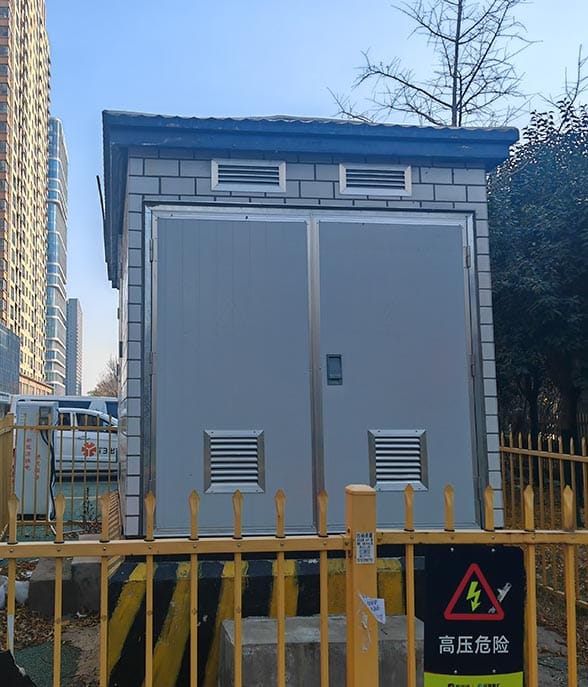
Proper maintenance is essential for maximizing the service life and reliability of box type substations. Routine maintenance procedures should include:
- Regular inspection – Visual checks for signs of damage, corrosion, or wear
- Thermal monitoring – Infrared scanning to identify hotspots in connections and components
- Electrical testing – Periodic testing of insulation resistance, contact resistance, and protection system functionality
- Cleaning – Keeping enclosures clean and free of debris that could affect cooling
- Component servicing – Following manufacturer recommendations for servicing transformers, switchgear, and other major components
Supplier-provided training is invaluable for ensuring that maintenance personnel understand proper procedures and safety requirements. Comprehensive training should cover equipment operation, routine maintenance tasks, troubleshooting techniques, and emergency procedures. Well-trained maintenance teams can identify potential issues early and prevent costly failures.
Warranty claims and troubleshooting support are critical aspects of after-sales service. A reliable supplier responds promptly to warranty claims, provides technical support for troubleshooting issues, and maintains spare parts availability to minimize downtime. Clear warranty terms and responsive support demonstrate the supplier’s confidence in their products and commitment to customer satisfaction.
Conclusion
Choosing the right box type substation supplier is a critical decision that directly impacts project success, operational reliability, and long-term costs. The right supplier delivers more than just equipment—they provide technical expertise, quality assurance, and ongoing support that maximize value throughout the equipment’s lifecycle.
Working directly with a reputable manufacturer offers significant advantages: cost efficiency through direct pricing, superior quality control through in-house manufacturing, and customized solutions tailored to specific project requirements. The ability to work closely with engineering teams and receive responsive support throughout the project creates value that extends far beyond the initial purchase.
As you evaluate potential suppliers for your next project, look beyond price quotes to consider technical capabilities, quality systems, experience in similar applications, and the strength of their after-sales support. The time invested in selecting the right supplier pays dividends in project success, operational reliability, and peace of mind.
Ready to discuss your box type substation requirements? Contact our engineering team for a personalized consultation and detailed quotation. We bring decades of manufacturing experience, technical expertise, and a commitment to quality that ensures your project’s success.
FAQ
How long does a box type substation last?
With proper maintenance, a high-quality box type substation can provide reliable service for 25-30 years or more. The actual service life depends on factors such as operating conditions, maintenance quality, environmental factors, and load patterns. Transformers typically have the longest service life, while switchgear and protection systems may require refurbishment or replacement after 15-20 years.
What are the differences between indoor and outdoor substations?
Indoor substations are designed for installation inside buildings, with weather protection provided by the building structure. They typically feature compact designs optimized for indoor spaces and may have different cooling requirements. Outdoor substations are built to withstand direct exposure to weather conditions, featuring robust weatherproofing, corrosion protection, and enhanced thermal management systems. Outdoor units also often include security features to prevent unauthorized access.
How to evaluate the reliability of a supplier?
Several indicators help assess supplier reliability:
- Track record and experience in similar projects
- Customer references and case studies
- Quality certifications and compliance with international standards
- Financial stability and business continuity planning
- Technical capabilities and engineering expertise
- After-sales support capabilities and service network
- Manufacturing facilities and quality control processes
- Warranty terms and responsiveness to issues