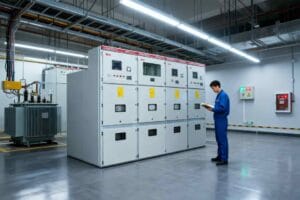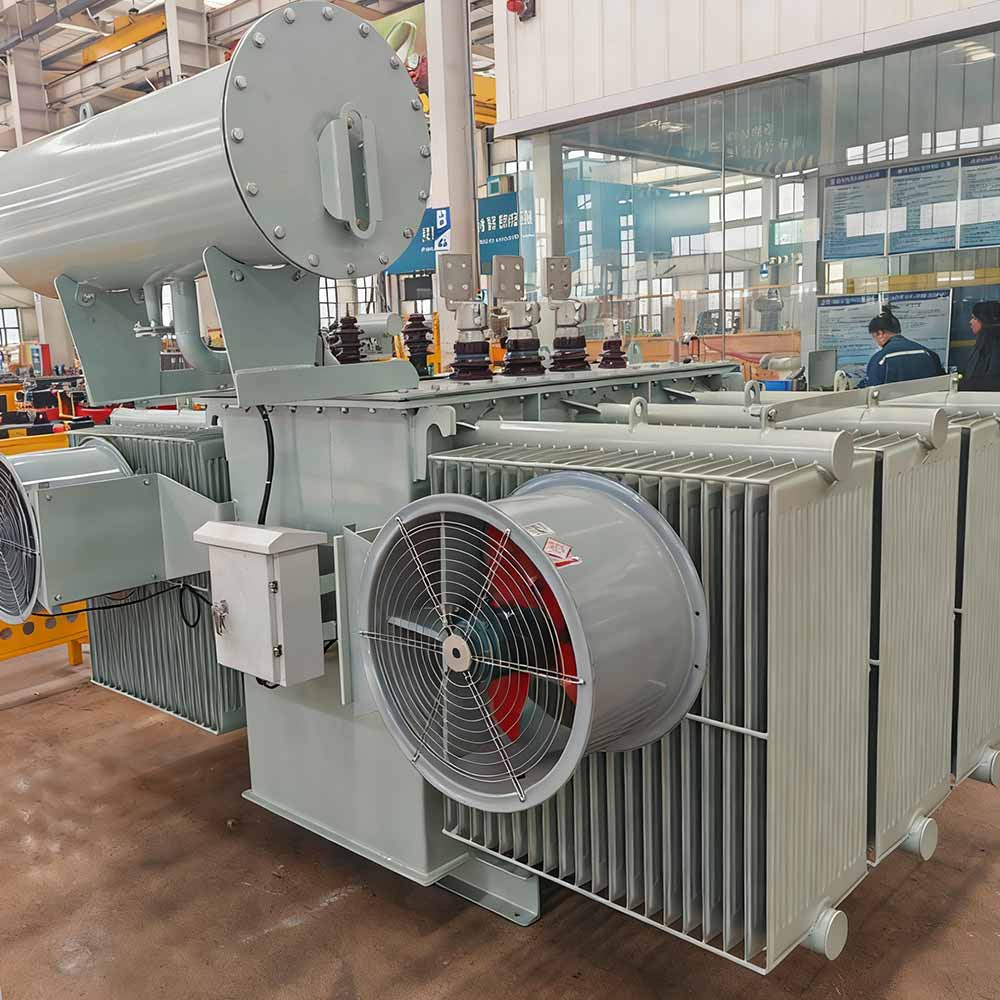
An oil immersed transformer is one of the most important pieces of equipment in an industrial power distribution system. It supports voltage conversion, load stability, long-distance power transmission, and safe electricity distribution for factories, substations, commercial buildings, renewable energy projects, mining sites, and infrastructure facilities.
However, even a well-designed transformer can lose reliability if maintenance is ignored. Overheating, insulation aging, oil contamination, loose connections, poor ventilation, abnormal noise, moisture ingress, and delayed inspection can all increase operational risk.
This guide explains how to build a practical oil immersed transformer maintenance plan from an engineering and project management perspective. It is written for facility managers, electrical engineers, EPC contractors, maintenance teams, and overseas buyers who need reliable transformer operation rather than generic equipment advice.
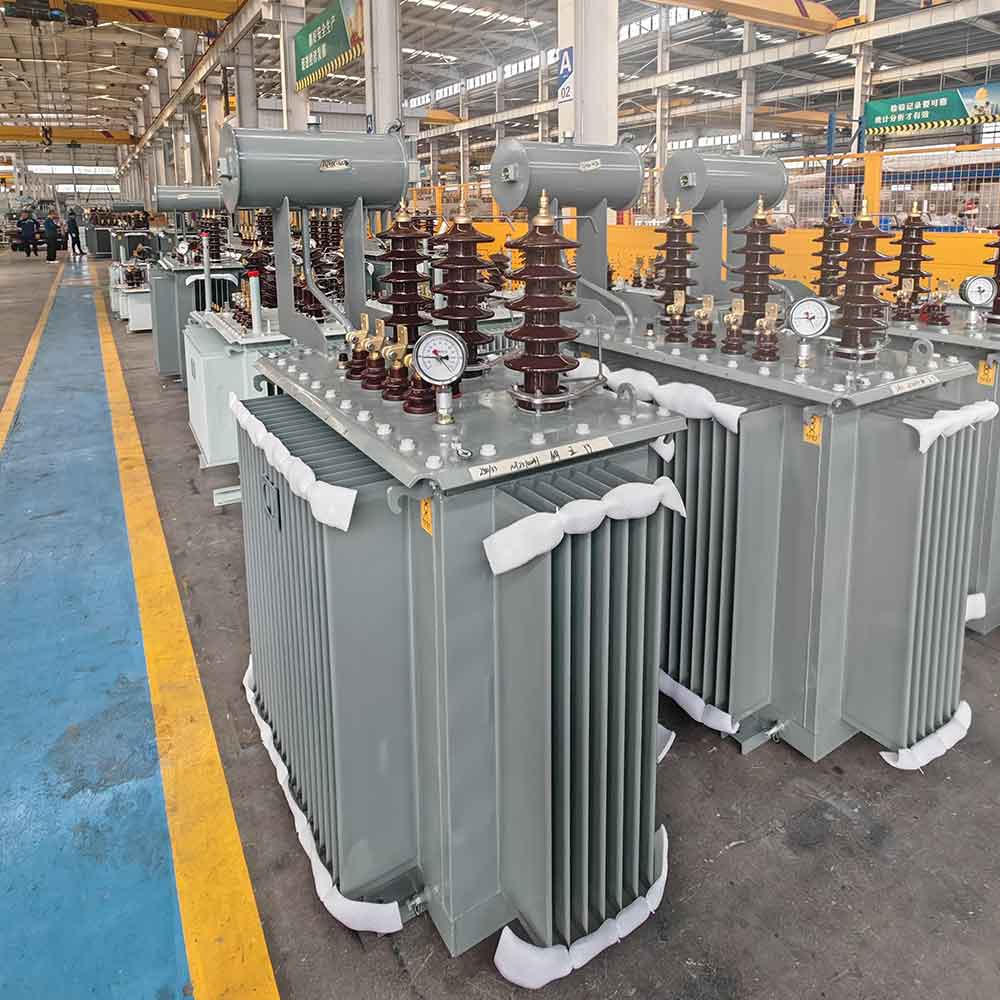
For projects that require outdoor power conversion equipment, Shandong Dedication Electric provides an محول مغمور بالزيت designed for power generation, transmission and distribution, industrial, and commercial applications.
جدول المحتويات
Why Oil Immersed Transformer Maintenance Matters
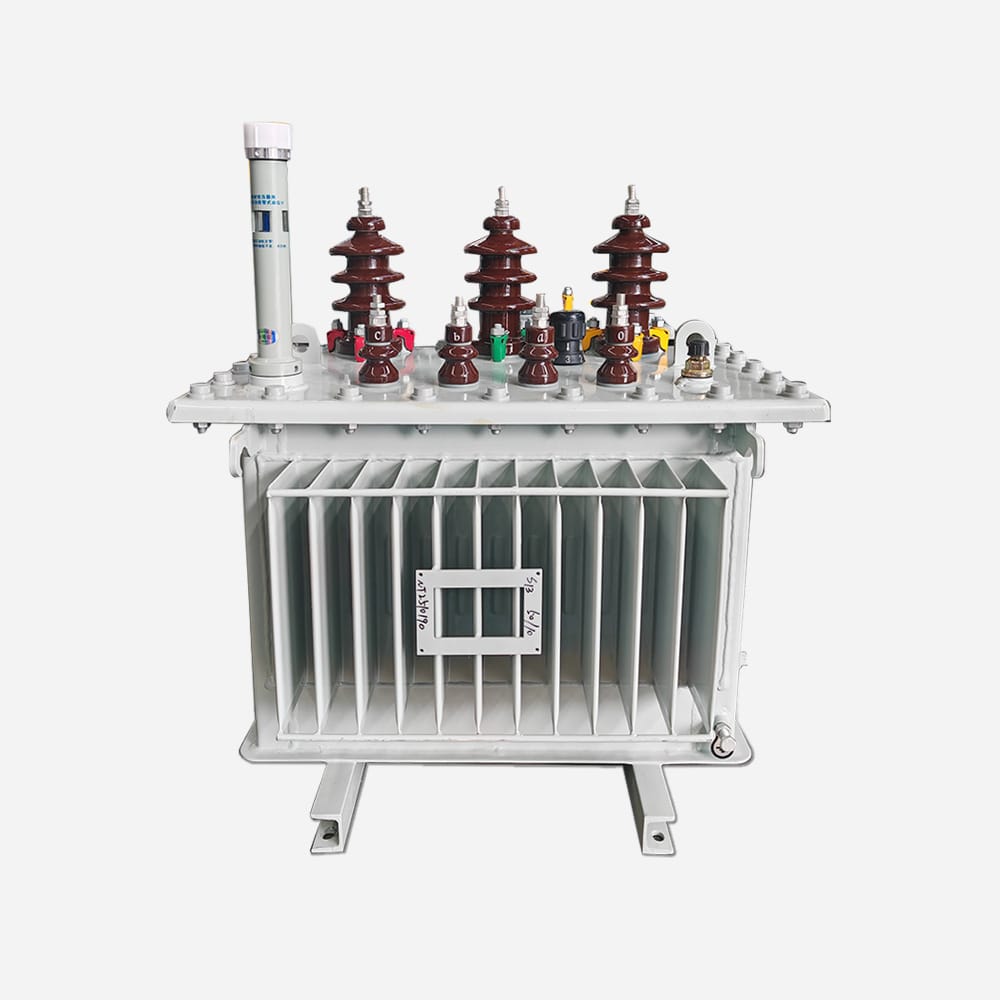
An oil immersed transformer uses insulating oil as both an electrical insulation medium and a cooling medium. During operation, heat generated by the windings and core is transferred through the oil and dissipated through the transformer tank and cooling structure.
Because oil plays such a critical role, transformer maintenance is not limited to checking the metal enclosure. It also includes oil condition, insulation health, temperature behavior, load conditions, sealing performance, protection devices, grounding, and external environment.
The general working principle of a transformer is based on electromagnetic induction, where electrical energy is transferred between circuits through a magnetic field. For basic technical background, the Transformer article on Wikipedia provides a useful explanation of transformer principles.
In real industrial operation, transformer failure can affect production lines, lighting systems, HVAC systems, pump stations, charging infrastructure, and downstream switchgear. This is why maintenance should be planned before problems appear.
Main Components That Need Regular Inspection
A maintenance plan should begin with understanding which parts of the transformer need attention. Different transformer models may vary, but most oil immersed transformers include several critical areas.
| المكوّن | Maintenance Focus | Why It Matters |
|---|---|---|
| Transformer oil | Oil level, color, moisture, dielectric strength | Supports insulation and cooling |
| Windings | Temperature behavior, insulation condition | Affects load capacity and reliability |
| Core | Noise, vibration, heating | Indicates magnetic and mechanical condition |
| Bushings | Dirt, cracks, leakage, flashover marks | Prevents external insulation failure |
| Tank and seals | Oil leakage, corrosion, deformation | Protects internal insulation system |
| Cooling system | Radiator cleanliness, oil circulation | Controls operating temperature |
| Tap changer | Contact condition and mechanical operation | Maintains voltage adjustment reliability |
| Protection devices | Relay, thermometer, pressure relief, alarm system | Supports safe fault response |
| Grounding system | Continuity and corrosion | Reduces electrical safety risk |
Maintenance teams should not inspect these parts separately without considering how they interact. For example, a cooling problem can raise oil temperature, accelerate insulation aging, and reduce transformer life.
Oil Quality: The Heart of Transformer Maintenance
Oil condition is one of the strongest indicators of transformer health. Good transformer oil provides insulation and heat transfer. Poor oil condition can reduce dielectric strength, increase overheating risk, and accelerate insulation deterioration.
Common oil-related problems include moisture contamination, oxidation, sludge formation, dissolved gases, and reduced insulation strength. These issues may not be visible from outside, which is why oil testing is important for medium and large transformers.
Oil inspection usually focuses on:
Oil level.
Oil color and clarity.
Moisture content.
Dielectric strength.
Acidity.
Dissolved gas condition.
Sludge or contamination.
Oil leakage around seals and valves.
For larger liquid-immersed transformers, maintenance practices are often aligned with recognized technical guidance. The IEEE C57.93 standard page provides guidance related to installation and maintenance of liquid-immersed power transformers.
If an oil immersed transformer is used in a high-load industrial facility, oil testing should be treated as a preventive maintenance tool, not only as a troubleshooting method after failure.
Temperature Monitoring and Overheating Prevention
Temperature is one of the most important operating indicators for an oil immersed transformer. Excessive temperature can accelerate insulation aging and reduce service reliability. Even when the transformer is not overloaded on paper, poor ventilation, dust accumulation, high ambient temperature, or blocked cooling surfaces can create overheating.
Maintenance teams should monitor:
Top oil temperature.
Winding temperature indicator readings.
Ambient temperature.
Load current.
Cooling system condition.
Radiator surface cleanliness.
Ventilation around the installation area.
Abnormal temperature rise during peak load periods.
A transformer installed outdoors should have enough space around it for heat dissipation and inspection access. If the transformer is installed near walls, other equipment, or enclosed structures, heat may accumulate and affect performance.
إن IEC 60076-1 standard page is a useful reference for power transformer requirements when preparing technical specifications for international projects.
Load Management and Transformer Life
Many transformer problems are related to load behavior. A transformer may operate normally during average load periods but experience stress during peak production, motor starting, seasonal demand, or temporary overload conditions.
Oil immersed transformers usually have strong overload tolerance compared with some alternatives, but overload should still be controlled. Repeated overload can raise internal temperature and accelerate aging.
When reviewing transformer load, maintenance teams should check:
Actual load compared with rated capacity.
Peak demand periods.
Motor starting current.
Load imbalance between phases.
Harmonic influence from drives or power electronics.
Future equipment expansion.
Operating history during abnormal events.
Industrial facilities often expand after the original electrical design is completed. A transformer that was suitable during installation may become insufficient after new production lines, compressors, pumps, EV chargers, or renewable energy systems are added.
For complete power distribution planning, buyers can review Shandong Dedication Electric’s محول الطاقة category and related electrical equipment options.
Visual Inspection: Simple but Often Overlooked
Visual inspection is not a replacement for testing, but it is still one of the most practical maintenance methods. Many early transformer problems leave visible signs.
During routine inspection, maintenance teams should check:
Oil leakage around gaskets, valves, welds, and bushings.
Rust or corrosion on the tank surface.
Broken or contaminated bushings.
Abnormal oil level indication.
Damaged thermometer or pressure device.
Loose bolts or grounding connections.
Unusual vibration.
Strange noise.
Burn marks or discoloration near terminals.
Dust, leaves, or debris blocking cooling areas.
The inspection should be documented with photos and written notes. This helps identify gradual changes before they become serious problems.
Electrical Testing and Protection Checks
Electrical testing helps confirm whether the transformer remains safe and reliable under operating conditions. Testing frequency depends on transformer size, project importance, environment, and local regulations.
Common transformer maintenance tests may include:
Insulation resistance test.
Winding resistance test.
Transformer turns ratio test.
Oil dielectric strength test.
Grounding resistance test.
Temperature indicator check.
Protection relay inspection.
Bushing inspection and testing.
Functional check of alarm and trip devices.
Protection coordination is also important. A transformer is connected to upstream and downstream electrical systems, so protection devices must work together. For medium-voltage incoming systems, equipment such as مجموعة المفاتيح الكهربائية ذات الجهد العالي KYN28 can support power receiving, distribution, control, protection, and monitoring functions.
For low-voltage outgoing distribution, مجموعة المفاتيح الكهربائية ذات الجهد المنخفض GCK Drawout GCK can support modular power distribution in large and medium-sized systems.
Outdoor Installation Conditions
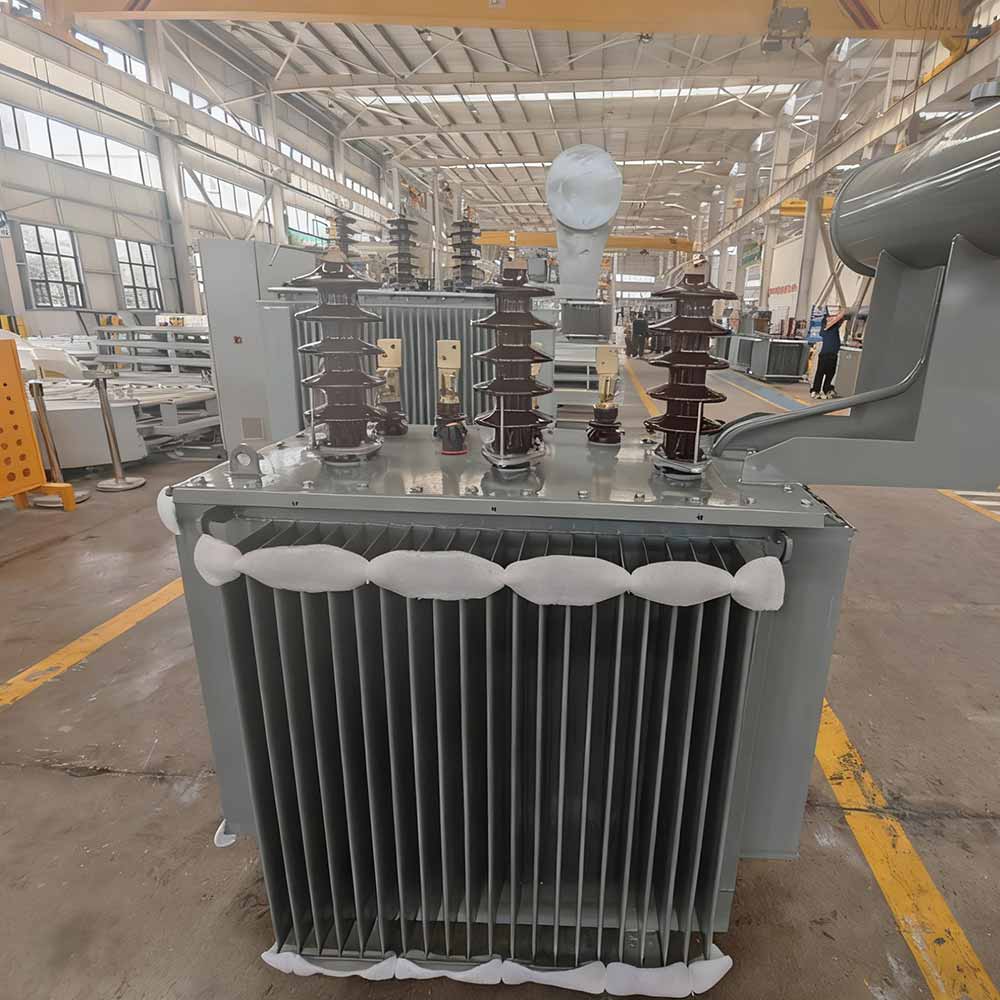
Oil immersed transformers are commonly used outdoors, but outdoor installation also creates maintenance challenges. Weather, dust, humidity, UV exposure, salt spray, pollution, animals, and vegetation can all affect long-term operation.
Important outdoor maintenance factors include:
Foundation stability.
Drainage around the transformer.
Fence and safety distance.
Cable trench condition.
Rainwater protection.
Anti-corrosion coating condition.
Ventilation space.
Grounding system condition.
Protection against unauthorized access.
Clear operating and warning labels.
In coastal, mining, chemical, or dusty environments, inspection frequency should usually be higher. Surface contamination may lead to tracking, corrosion, or insulation problems over time.
Maintenance Schedule for Oil Immersed Transformers
A transformer maintenance schedule should be practical and based on the real operating environment. A critical industrial transformer may need more frequent checks than a lightly loaded transformer in a clean environment.
| Maintenance Frequency | Recommended Checks |
| Daily or weekly | Load current, oil temperature, noise, oil level, visible leakage |
| شهرياً | Bushings, grounding, tank condition, cooling surfaces, protection indicators |
| ربع سنوي | Cable terminals, bolts, ventilation space, corrosion, abnormal vibration |
| Semi-annually | Oil sampling, insulation resistance, protection device function checks |
| سنوياً | Comprehensive inspection, electrical testing, oil analysis, maintenance report |
| After abnormal events | Full inspection after overload, short circuit, lightning, flooding, or abnormal trip |
This table is a general reference. Final maintenance frequency should be adjusted according to project importance, transformer capacity, site environment, and local electrical requirements.
Common Maintenance Mistakes to Avoid
Many transformer problems are caused by simple maintenance mistakes rather than complex technical failures.
One common mistake is ignoring small oil leaks. A small leak may seem harmless at first, but it can allow oil loss, moisture entry, and insulation deterioration over time.
Another mistake is treating temperature alarms as isolated events. If a transformer repeatedly runs hot, the root cause should be investigated. It may be overload, poor ventilation, blocked cooling, oil deterioration, or abnormal internal condition.
Some maintenance teams also focus only on the transformer and ignore the connected system. Cable connections, switchgear coordination, grounding, protection settings, and downstream load changes can all affect transformer reliability.
A final mistake is failing to keep maintenance records. Without historical data, it is difficult to identify aging trends, recurring faults, or load changes.
Oil Immersed Transformer Maintenance for Industrial Facilities
Industrial users often place higher stress on transformers than ordinary commercial users. Motors, compressors, pumps, welding equipment, heating systems, conveyors, and variable frequency drives can create complex load conditions.
For industrial facilities, maintenance should pay special attention to:
Peak production load.
Motor starting frequency.
Phase balance.
Harmonic impact.
Dust and heat in the surrounding environment.
Expansion of production lines.
Emergency power requirements.
Spare capacity for future equipment.
A transformer should not be selected or maintained as a standalone product. It should be part of a complete electrical system. Shandong Dedication Electric’s المنتجات page includes transformers, switchgear, and prefabricated substation solutions for integrated power distribution projects.
Oil Immersed Transformer Maintenance for Renewable Energy Projects
Renewable energy projects such as solar power stations and energy storage systems often require stable transformer performance under changing power conditions. Loads and output levels may fluctuate throughout the day, and transformers may be installed in remote outdoor locations.
Maintenance teams should consider:
Outdoor temperature changes.
Dust and sand exposure.
Grid connection requirements.
Power electronics influence.
Remote monitoring needs.
Access difficulty for maintenance vehicles.
Lightning and grounding protection.
Transformer and substation coordination.
For compact renewable energy or outdoor distribution projects, a transformer may also be integrated into a محطة فرعية مسبقة الصنع to improve installation efficiency and system coordination.
إن International Energy Agency electricity grids report explains why stronger electricity grids are important for secure energy transitions. This reinforces the need for reliable transformer and distribution equipment in renewable energy infrastructure.
When Should an Oil Immersed Transformer Be Repaired or Replaced?
Not every transformer problem requires replacement. Some issues can be corrected through maintenance, oil treatment, sealing repair, component replacement, or protection adjustment. However, replacement may become necessary when the transformer no longer meets safety, reliability, or capacity requirements.
Warning signs include:
Repeated overheating.
Severe oil deterioration.
Frequent protection trips.
High moisture content in oil.
Abnormal dissolved gas results.
Serious bushing damage.
Heavy corrosion.
Load growth beyond safe capacity.
Insulation aging beyond acceptable limits.
Repeated leakage after repair.
Before deciding, the maintenance team should review test data, operating history, load requirements, project risk, and expansion plans.
How to Prepare an Inquiry for Transformer Maintenance or Replacement
A clear inquiry helps the supplier provide a more accurate technical recommendation. Before contacting a manufacturer or engineering team, prepare the following information:
Transformer rated capacity.
Primary and secondary voltage.
Frequency.
Installation location.
Indoor or outdoor environment.
Load type.
Actual operating load.
Maintenance history.
Photos of nameplate and installation site.
Oil test report if available.
Fault description.
Expansion plan.
Required standards.
For technical selection, repair planning, or replacement projects, you can send project information through the اتصل بنا page for review.
الأسئلة الشائعة
How often should an oil immersed transformer be maintained?
Routine visual inspection can be performed weekly or monthly, while oil testing and electrical testing are usually scheduled periodically based on transformer capacity, operating environment, and project importance. Critical industrial transformers should follow a stricter maintenance plan.
Why is transformer oil testing important?
Transformer oil provides insulation and cooling. Oil testing helps detect moisture, contamination, oxidation, reduced dielectric strength, and abnormal internal conditions. It is one of the most useful methods for preventive maintenance.
What causes an oil immersed transformer to overheat?
Common causes include overload, poor ventilation, dirty cooling surfaces, high ambient temperature, oil deterioration, blocked radiators, unbalanced load, harmonics, and internal winding or core problems.
Can an oil immersed transformer be used outdoors?
Yes. Oil immersed transformers are widely used in outdoor power distribution applications. However, outdoor installation requires attention to foundation, drainage, grounding, corrosion protection, ventilation, safety distance, and weather exposure.
When should a transformer be replaced instead of repaired?
Replacement should be considered when the transformer has serious insulation aging, repeated overheating, severe oil deterioration, insufficient capacity, major corrosion, frequent failures, or when maintenance can no longer ensure safe and reliable operation.
الخاتمة
Oil immersed transformer maintenance is essential for reliable industrial power distribution. A transformer is not only a voltage conversion device; it is a critical part of the entire electrical system.
A strong maintenance plan should cover oil quality, temperature monitoring, load management, visual inspection, electrical testing, protection checks, outdoor installation conditions, and maintenance records. For industrial facilities, renewable energy projects, commercial buildings, and infrastructure systems, preventive maintenance can reduce unexpected downtime and improve long-term operating stability.
For oil immersed transformer selection, maintenance support, or complete power distribution equipment solutions, visit شركة شاندونغ ديديكيشن إلكتريك المحدودة. or submit your project details through the اتصل بنا page.