As a professional box substation manufacturer, we understand that selecting the right solution is not just about purchasing equipment—it is a strategic decision that affects power reliability, operational safety, and long-term cost efficiency. With the increasing demand for compact المحطات الفرعية الصندوقية, prefabricated substations, and containerized power distribution systems, buyers must evaluate both technical specifications and real-world application requirements.
This guide provides a practical, engineering-driven framework to help contractors, developers, and procurement teams select the most suitable box type substation for their projects while improving performance and return on investment.
جدول المحتويات
What Is a Box Substation and Why It Matters
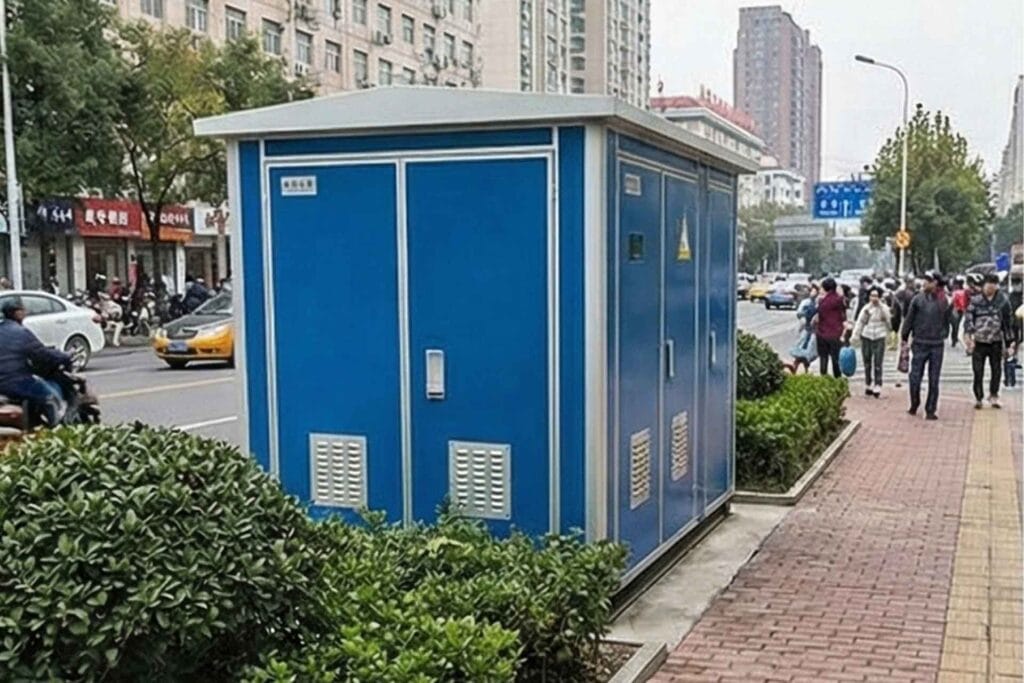
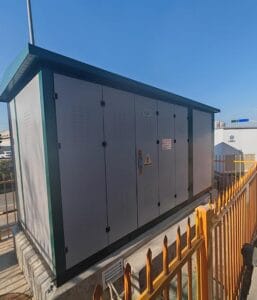
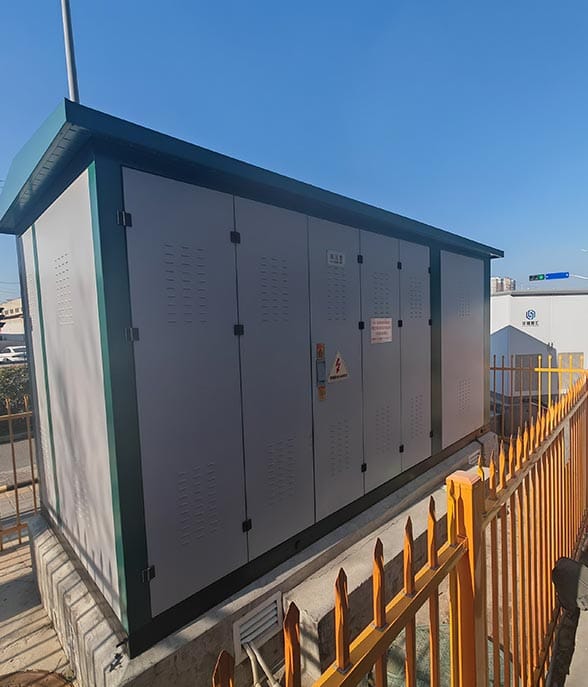
A box substation, also referred to as a compact substation or prefabricated box substation, is an integrated electrical distribution unit that combines multiple components into a single enclosed system. It is designed to transform medium voltage power into low voltage power efficiently and safely within a compact footprint.
Definition of Box Type Substation
A box type substation is a factory-assembled, modular unit that integrates transformation, control, and protection functions. Unlike traditional substations that require extensive on-site construction, these units are pre-engineered, tested, and delivered ready for installation, significantly reducing project timelines and complexity.
Key Components (Transformer, Switchgear, Enclosure)
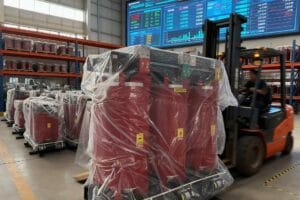
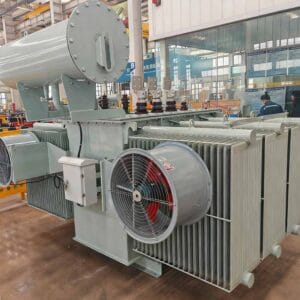
A standard box substation typically includes a power transformer, high-voltage switchgear, low-voltage distribution panels, and a durable enclosure. The transformer handles voltage conversion, while switchgear manages protection and control. The enclosure, often made of galvanized steel or composite materials, protects internal components from environmental damage and ensures operational safety.
Role in Modern Power Distribution Systems
In modern power systems, especially in urban infrastructure and industrial zones, space efficiency and reliability are critical. Box substations provide decentralized power distribution, enabling faster deployment and reducing transmission losses. They are particularly valuable in projects requiring flexible and scalable power solutions.
Common Types (Compact, Prefabricated, Containerized Box Type Substation)
There are several types of box substations, including compact substations for urban use, prefabricated substations for fast deployment, and containerized box type substations for large-scale or mobile applications. Each type is designed to meet specific operational and environmental requirements, offering flexibility across industries.
Key Advantages of Using a Box Substation
Space-Saving Compact Design
A compact box type substation is engineered to occupy minimal space while delivering high performance. This makes it especially suitable for densely populated urban areas, commercial complexes, and industrial facilities where land availability is limited and costly.
Faster Installation Compared to Conventional Substations
Since the system is pre-assembled in a factory, installation time on-site is significantly reduced. This not only accelerates project timelines but also minimizes labor costs and construction risks, making it an attractive solution for fast-track projects.
Lower Maintenance Requirements
The enclosed and integrated design protects internal components from dust, moisture, and external contaminants. As a result, maintenance intervals are extended, and the overall cost of operation is reduced over the equipment’s lifecycle.
Enhanced Safety and Environmental Protection
Modern box substations are equipped with advanced protection systems, including fault detection, overload protection, and grounding mechanisms. The enclosed structure also minimizes the risk of accidental contact, improving safety for operators and nearby personnel.
Flexibility for Outdoor and Indoor Applications
These substations can be installed in both indoor and outdoor environments. With appropriate IP ratings and corrosion-resistant materials, they can operate reliably in harsh weather conditions, including high humidity, extreme temperatures, and dusty environments.
Understanding Box Substation Specifications
Selecting the correct technical specifications is essential to ensure that the محطة فرعية صندوقية operates efficiently and complies with project requirements. A mismatch in specifications can lead to inefficiencies, safety risks, or costly modifications later.
Voltage Levels (e.g., 11kV, 33kV, 35kV)
Box substations are available in various voltage configurations, typically ranging from 6kV to 35kV on the high-voltage side. The choice depends on the upstream grid connection and the distribution requirements of the project.
Capacity Range (e.g., 500kVA, 1000kVA, 2500kVA)
Capacity selection is critical and must align with the load demand. Common capacities include 500kVA, 1000kVA, and 2500kVA, but larger capacities can be customized for industrial applications or large infrastructure projects.
Transformer Types (Oil-Immersed vs Dry-Type Transformer)
Oil-immersed transformers are widely used due to their cost efficiency and strong cooling performance. Dry-type transformers, on the other hand, are preferred for indoor installations due to their fire-resistant properties and lower environmental impact.
Switchgear Options (High Voltage / Low Voltage)
Switchgear plays a vital role in controlling and protecting the electrical system. Options include Ring Main Units (RMU), gas-insulated switchgear (GIS), and air-insulated switchgear (AIS), each offering different levels of performance, cost, and maintenance requirements.
Protection Systems and Standards (IEC, ANSI)
Compliance with international standards such as IEC and ANSI ensures that the box substation meets safety, quality, and performance benchmarks. Advanced protection systems also help prevent faults and improve system reliability.
How to Choose the Right Box Substation Capacity
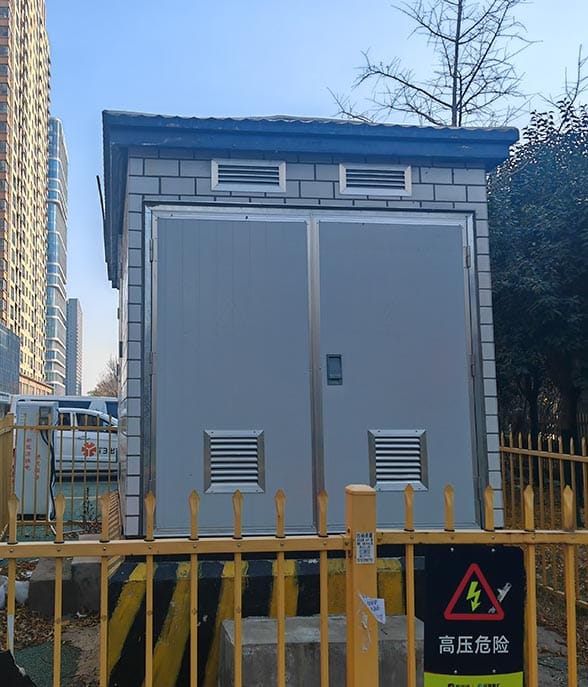
Load Calculation and Power Demand Analysis
Accurate load calculation is the foundation of proper substation selection. It involves analyzing current consumption, peak load conditions, and load diversity to ensure that the system can handle operational demands without overloading.
Future Expansion Considerations
A well-designed محطة فرعية صندوقية should account for future growth. Adding a capacity margin of 20–30% helps accommodate increased demand without requiring immediate upgrades or replacements.
Energy Efficiency and Loss Reduction
Choosing energy-efficient transformers and components can significantly reduce power losses. Over time, this leads to lower operational costs and improved sustainability, which is increasingly important in modern energy systems.
Matching Substation Capacity to Application Scenarios
Different applications have unique power requirements. For example, industrial facilities often require higher capacities and robust configurations, while commercial buildings may prioritize compact design and energy efficiency.
Application-Based Selection of Box Type المحطات الفرعية
Box Substation for Industrial Power Distribution
Industrial environments require reliable and high-capacity power solutions. المحطات الفرعية الصندوقية designed for industrial use are built to handle heavy loads and continuous operation, ensuring stable performance in demanding conditions.
Box Substation for Solar Power and Renewable Energy Projects
In renewable energy projects, such as solar farms, box type substations play a crucial role in stepping up or stepping down voltage levels for grid integration. Their modular design makes them ideal for remote installations.
Box Substation for Construction Sites and Temporary Power
Construction projects often require temporary yet reliable power solutions. Mobile box substations provide flexibility, easy relocation, and quick deployment, making them suitable for dynamic project environments.
Box Substation for Urban Infrastructure and Commercial Buildings
Urban projects benefit from compact and low-noise substations. These systems can be integrated into buildings or installed in limited spaces without compromising performance or safety.
Outdoor vs Indoor Box Substation: Which One to Choose
Environmental Factors (Temperature, Humidity, Dust)
Outdoor substations must be designed to withstand environmental challenges such as extreme temperatures, high humidity, and dust exposure. Selecting the right enclosure and cooling system is essential for long-term reliability.
Installation Location Constraints
Indoor installations are typically used in commercial buildings or factories where environmental control is possible. However, they require proper ventilation and fire protection systems to ensure safe operation.
Protection Level (IP Rating) and Durability
The IP rating determines how well the substation is protected against dust and water. Higher IP ratings are necessary for outdoor applications to ensure durability and reduce maintenance needs.
Cost and Maintenance Differences
While outdoor substations may require more robust enclosures, they eliminate the need for additional building infrastructure. Indoor substations, on the other hand, may have higher installation costs due to construction requirements.
Custom Box Substation Solutions from Manufacturers
OEM and ODM Box Substation Options
Manufacturers offer OEM and ODM services to meet specific project requirements. This allows customers to customize design, branding, and technical features according to their needs.
Custom Design Based on Project Requirements
Customization can include voltage levels, transformer type, enclosure material, and layout configuration. Tailored solutions ensure optimal performance and compatibility with the project environment.
Modular and Containerized Box Substation Solutions
Containerized box type substations provide a high level of flexibility and scalability. They are easy to transport, install, and expand, making them ideal for large-scale or remote projects.
Integration with Smart Grid and IoT Systems
Modern substations can be equipped with smart monitoring systems, enabling real-time data analysis and remote control. This improves operational efficiency and supports predictive maintenance strategies.
Box Substation Installation and Maintenance Considerations
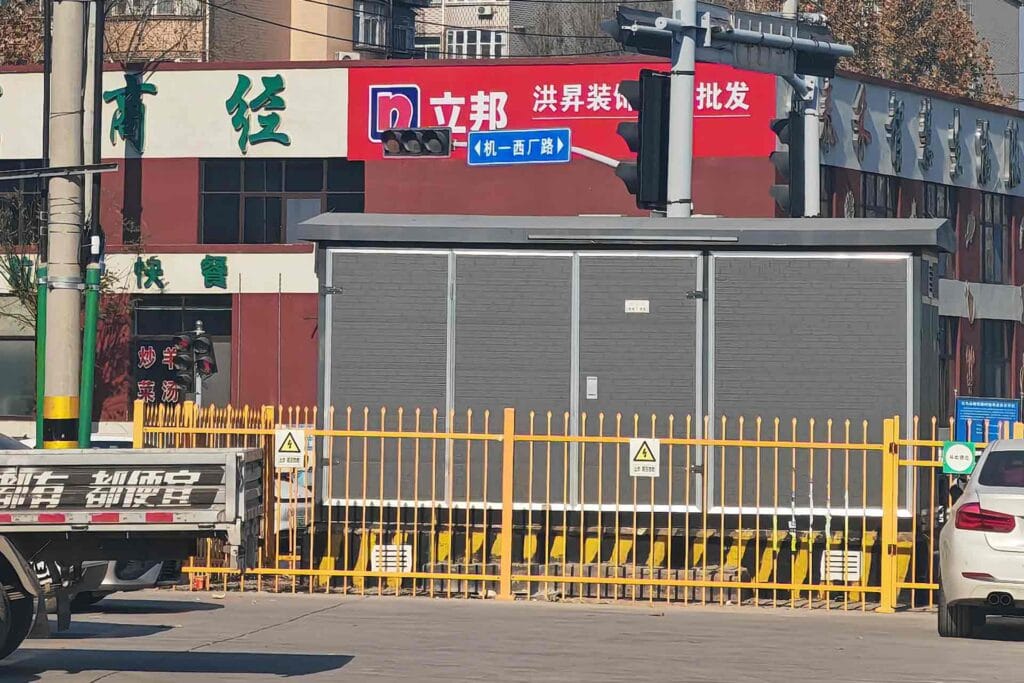
Site Preparation and Foundation Requirements
Proper site preparation ensures stable installation and prevents structural issues. This includes foundation design, grounding systems, and cable routing.
Installation Timeline and Process
Prefabricated substations significantly simplify the installation process. With minimal on-site assembly required, projects can be completed faster and with fewer risks.
Routine Maintenance and Inspection Checklist
Regular maintenance includes inspecting electrical connections, testing protection systems, and monitoring temperature levels. Preventive maintenance helps extend the lifespan of the equipment.
Safety Standards and Compliance Requirements
Adhering to international safety standards ensures that the substation operates reliably and minimizes risks. Compliance also facilitates project approval and regulatory acceptance.
Box Substation Price Factors and Cost Optimization
Key Cost Drivers (Capacity, Materials, Components)
The price of a box type substation depends on several factors, including transformer capacity, material quality, switchgear type, and customization level. Higher specifications typically result in higher initial costs but better performance.
Price Comparison: Prefabricated vs Traditional Substation
| حلل | Prefabricated Box Substation | Traditional Substation |
|---|---|---|
| Installation Time | Short (factory assembled) | Long (on-site build) |
| Initial Investment | معتدل | عالي |
| Space Requirement | Compact | Large |
| Maintenance Cost | منخفضة | أعلى |
| قابلية التوسع | عالي | Limited |
Long-Term Cost Savings and ROI
Although the upfront investment may vary, prefabricated المحطات الفرعية الصندوقية often deliver better long-term value due to reduced maintenance and faster deployment.
How to Get an Accurate Box Substation Quote
To obtain an accurate quotation, it is essential to provide detailed technical requirements, including load data, voltage levels, and environmental conditions. Working directly with a manufacturer ensures transparency and accuracy.
How to Choose a Reliable Box Substation Manufacturer
Manufacturing Experience and Certifications
An experienced manufacturer with recognized certifications demonstrates reliability and technical expertise. This is critical for ensuring product quality and compliance.
Quality Control and Testing Standards
Strict quality control processes, including factory testing and inspection, ensure that each unit meets performance and safety requirements before delivery.
Project Case Studies and Industry Experience
Reviewing past projects helps evaluate a supplier’s capabilities. Experience in similar applications indicates a better understanding of project needs.
After-Sales Support and Technical Services
Comprehensive after-sales support, including installation guidance and maintenance services, is essential for long-term success.
Common Mistakes to Avoid When Selecting a Box Substation
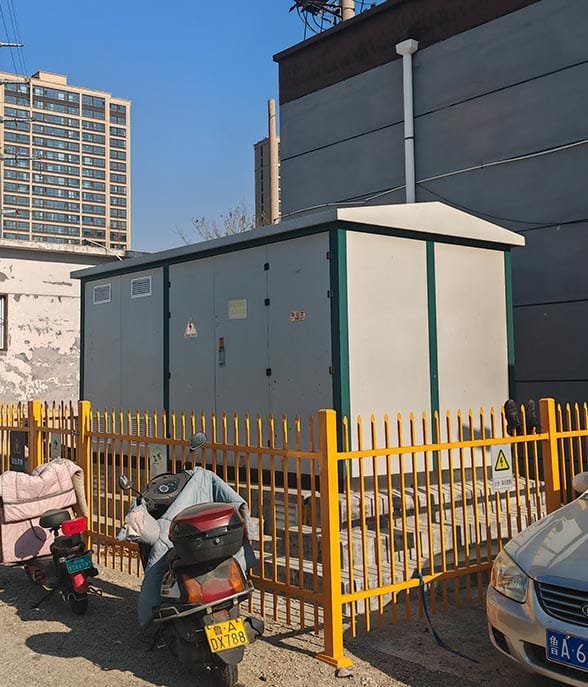
Ignoring Load Growth and Future Expansion
Failing to consider future demand can result in capacity shortages, requiring costly upgrades or system replacements.
Choosing Incorrect Voltage or Capacity
Incorrect specifications can lead to inefficiencies, equipment damage, or operational failures, making proper planning essential.
Overlooking Environmental Conditions
Environmental factors directly affect equipment performance. Ignoring these conditions can reduce lifespan and increase maintenance costs.
Focusing Only on Price Instead of Quality
While cost is important, prioritizing low price over quality can lead to higher long-term expenses due to failures and maintenance issues.
الخاتمة
Choosing the right box substation involves more than selecting a product—it requires a comprehensive evaluation of technical specifications, application requirements, and long-term operational goals. From capacity planning and voltage configuration to installation conditions and environmental factors, every decision impacts system performance and reliability.
By working with a trusted box محطة فرعية manufacturer, businesses can access customized solutions, advanced engineering support, and high-quality components that meet international standards. Whether for industrial applications, renewable energy projects, or urban infrastructure, a well-designed compact box substation or prefabricated substation provides a reliable and cost-effective power distribution solution.
A strategic, informed approach ensures not only optimal performance but also long-term value, helping your project achieve efficiency, safety, and sustainable growth.
الأسئلة الشائعة
What is a box substation used for?
A box substation is used for stepping down medium voltage electricity to low voltage for safe distribution. It is widely applied in industrial plants, commercial buildings, solar farms, and urban power networks.
What is the difference between a box substation and a traditional substation?
A box substation is a compact, prefabricated solution that integrates transformer, switchgear, and protection systems in one enclosure. A traditional substation requires separate installations and more space, with longer construction time.
How do I choose the right box محطة فرعية capacity?
The correct capacity depends on your total load demand, peak consumption, and future expansion plans. Common capacities include 500kVA, 1000kVA, and 2500kVA, but customization is available based on project requirements.
Can a box substation be used for solar power systems?
Yes, box substations are widely used in solar and renewable energy projects. They help stabilize voltage, enable grid connection, and support efficient power transmission from solar farms.
What factors affect box type substation price?
The price depends on transformer capacity, voltage level, switchgear type, enclosure material, and customization requirements. Prefabricated designs generally offer lower installation costs and better long-term value.