Table of Contents
Introduction
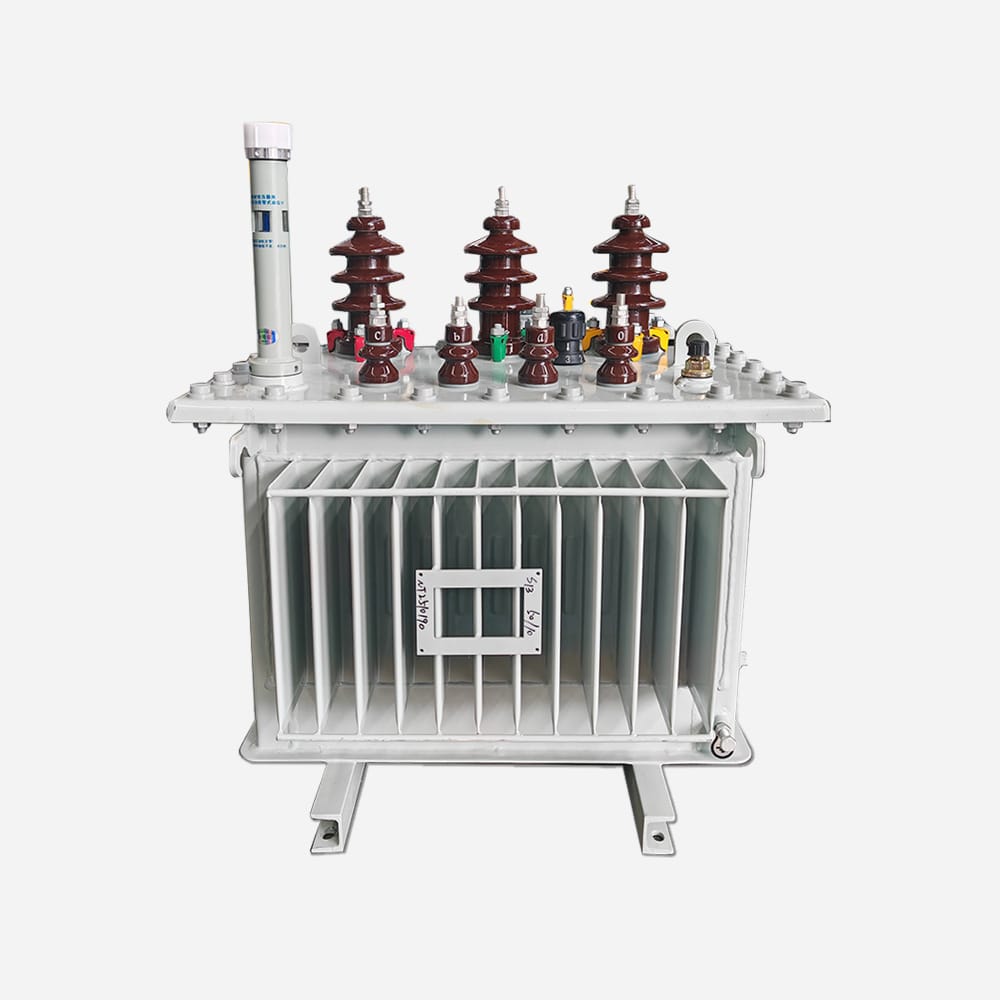
When it comes to power distribution, reliability is non-negotiable. Oil immersed transformers continue to be a staple in industrial, commercial, and utility applications due to their ability to handle heavy loads while maintaining efficiency. Unlike dry-type transformers, these units use mineral oil as both an insulator and a coolant, which makes them highly adaptable to various environments—from outdoor substations to industrial plants.
For manufacturers, engineers, and procurement teams, understanding how these transformers operate and what factors affect their performance is key to making informed decisions.
Understanding How Oil Immersed Transformers Work
At the heart of an oil immersed transformer lies a simple principle: electromagnetic induction. Primary windings carry electricity, creating a magnetic field that induces current in the secondary windings. What sets these transformers apart is the oil. Acting as both a coolant and an insulating medium, it ensures that the transformer can operate continuously under high temperatures without risking insulation breakdown.
Core components to know:
- Core and windings
- Transformer tank
- Conservator and radiators
- Bushings and cooling channels
This combination ensures optimal thermal management and electrical insulation—a reason why these transformers are often the preferred choice for heavy-duty applications.
Types of Oil Immersed Transformers You Should Know
Understanding the variety available helps you match the transformer to your project’s needs:
- Distribution Transformers: Typically used for medium-voltage networks.
- Power Transformers: Designed for high-capacity transmission lines.
- Single-Phase vs. Three-Phase: Each suited to different network layouts and load types.
- Sealed vs. Conservator Type: Sealed units reduce maintenance; conservator types allow for oil expansion and monitoring.
- High-Efficiency Models: Optimized for lower energy losses and better long-term performance.
Choosing the right type depends not only on voltage and load but also on installation environment and expected operational demands.
The Advantages That Make Oil Immersed Transformers Stand Out
Why do industries continue to rely on these transformers? Here are the key benefits:
- Reliable Thermal Management: Oil dissipates heat efficiently, supporting higher loads.
- Durability: A well-maintained oil immersed transformer can last decades.
- Superior Insulation: Oil provides better insulation than air, minimizing electrical faults.
- Flexibility: Suited for outdoor installations and harsh industrial conditions.
- Operational Efficiency: Over the lifecycle, they perform consistently under heavy stress.
These advantages explain why oil immersed transformers remain the first choice for critical infrastructure.
Real-World Applications Across Industries
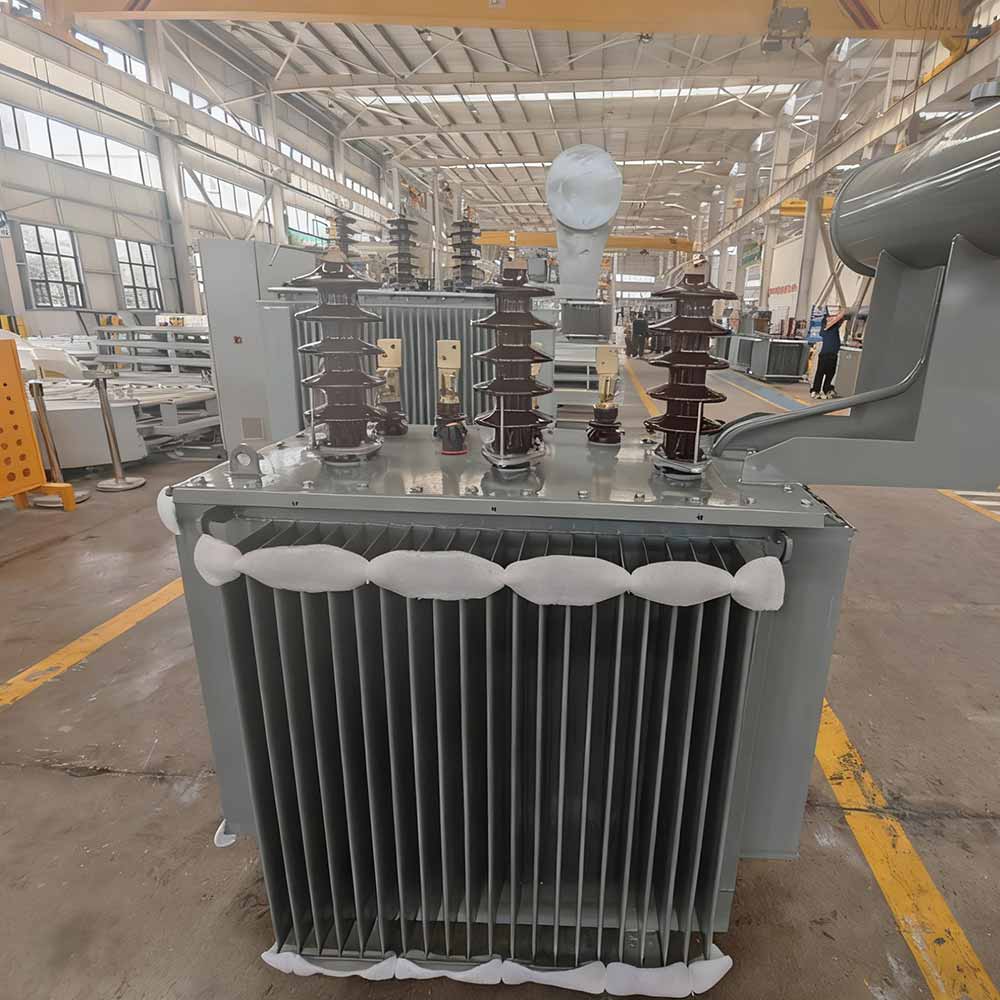
Oil immersed transformers are far from one-size-fits-all—they serve diverse needs:
- Substations: Stabilize voltage and distribute electricity across cities or industrial parks.
- Industrial Facilities: Power machinery, production lines, and heavy equipment.
- Renewable Energy Projects: Manage variable input from solar farms or wind turbines.
- Mining & Heavy Industry: Stand up to extreme operational conditions.
- Transportation Systems: Support railways and urban transit networks.
Each application benefits from the transformer’s robust design and operational adaptability.
Oil Immersed vs. Dry Type Transformers
If you’re considering transformer options, here’s a practical comparison:
| Feature | Oil Immersed | Dry Type |
|---|---|---|
| Cooling | Oil | Air |
| Efficiency | Higher | Moderate |
| Installation | Outdoor/Industrial | Indoor/Compact |
| Maintenance | Requires oil monitoring | Minimal |
| Lifespan | Longer | Shorter under heavy loads |
Understanding these differences ensures you select a solution aligned with both project requirements and environmental conditions.
How to Make the Right Choice for Your Project
Selecting the ideal transformer involves more than just type and size:
- Evaluate voltage and capacity requirements carefully.
- Consider environmental factors, such as temperature fluctuations and humidity.
- Check for energy efficiency goals; low-loss designs reduce operational strain.
- Ensure the transformer complies with international standards.
- Partner with a trusted manufacturer who can offer customization and technical support.
These steps reduce operational risks and optimize long-term performance.
Behind the Scenes: Manufacturing Insights
For a transformer to meet rigorous industrial standards, the manufacturing process is crucial:
- Precision Core Fabrication: Laminated steel cores reduce energy loss.
- Winding Excellence: High-quality copper or aluminum windings ensure efficiency.
- Oil Processing: Vacuum drying and high-grade mineral oil enhance insulation.
- Quality Assurance: Load testing, temperature rise checks, and dielectric testing.
- Customization: OEM options allow exact matching to project specifications.
A manufacturer’s expertise directly influences the transformer’s reliability and operational life.
Maintenance: Keeping Your Transformer in Top Shape
Routine care extends lifespan and prevents unexpected failures:
- Regular Oil Testing: Check dielectric strength and detect moisture or gases.
- Cooling System Checks: Ensure proper circulation and radiator function.
- Preventive Measures: Monitor for leaks or insulation wear.
- Performance Tracking: Keep an eye on temperature and load trends.
- Scheduled Servicing: Proactive maintenance reduces downtime and avoids costly replacements.
Even small adjustments and inspections can prevent major issues in high-demand environments.
Industry Standards and Compliance
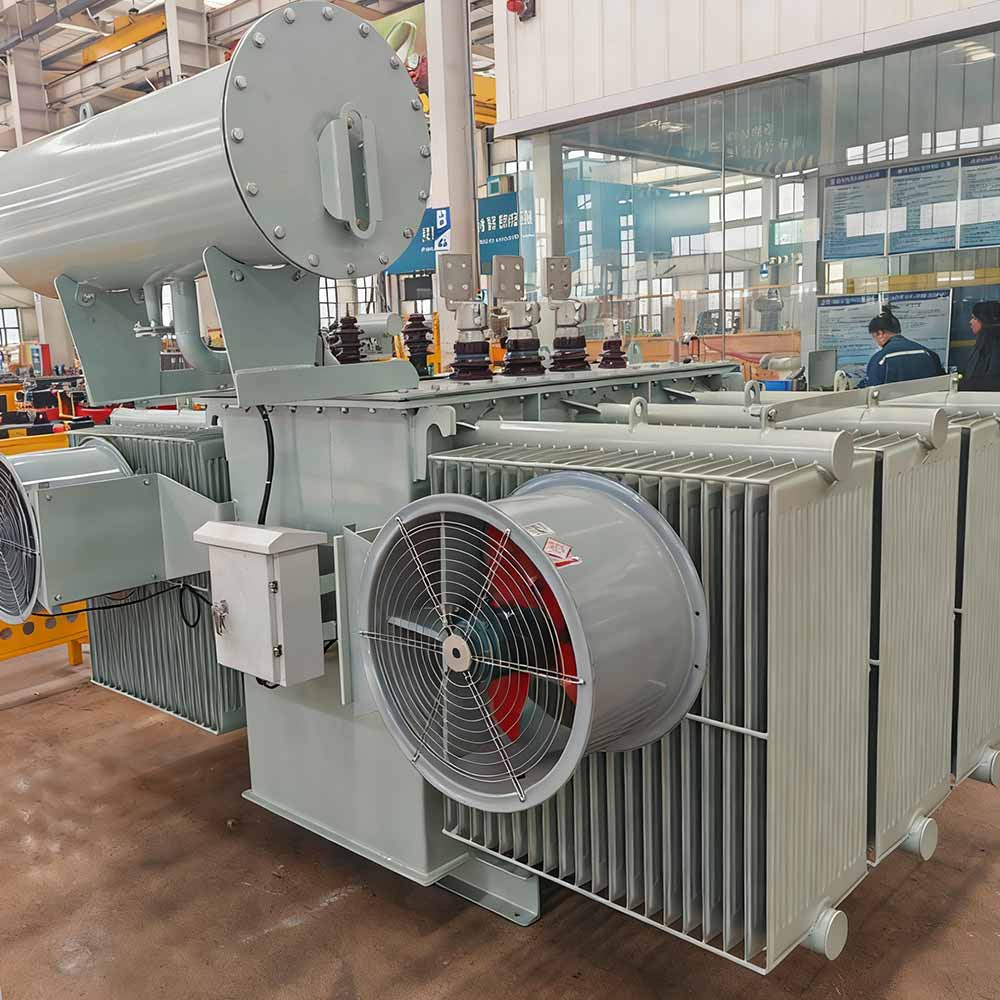
Adhering to international standards ensures reliability:
- IEC Compliance: Guarantees operational safety and performance.
- ISO 9001 Certification: Confirms consistent quality in manufacturing.
- Environmental Standards: Demonstrates sustainable production practices.
- Safety Certifications: Protects workers and equipment.
Choosing transformers that meet these standards ensures your infrastructure remains safe, reliable, and globally accepted.
Conclusion
Oil immersed transformers are more than just electrical equipment—they are the backbone of reliable energy distribution. From substations to industrial plants and renewable energy projects, these transformers provide efficiency, durability, and flexibility.
Working with a professional manufacturer ensures access to high-quality, customized solutions, technical support, and compliance with global standards. By focusing on reliability, maintenance, and proper selection, you can maximize transformer performance and ensure smooth operation for years to come.
FAQ
What is an oil immersed transformer?
An oil immersed transformer is a type of electrical transformer that uses mineral oil for insulation and cooling. It is widely used in industrial, commercial, and utility power systems for reliable electricity distribution.
How does an oil immersed transformer work?
It works on the principle of electromagnetic induction. Electricity passes through primary windings, inducing current in the secondary windings, while the oil absorbs heat and insulates the internal components.
What are the advantages of oil immersed transformers?
Key benefits include high efficiency, excellent thermal management, long operational lifespan, and adaptability to outdoor or industrial environments.
How do I choose the right oil immersed transformer for my project?
Consider voltage and capacity requirements, environmental conditions, energy efficiency goals, compliance with international standards, and manufacturer support for customization.
How should oil immersed transformers be maintained?
Regular maintenance includes oil testing, cooling system inspection, monitoring for leaks or insulation wear, and scheduled preventive servicing to ensure optimal performance and reliability.