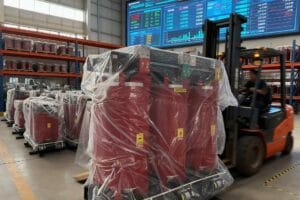
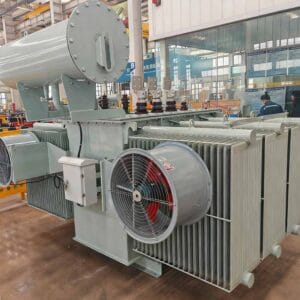
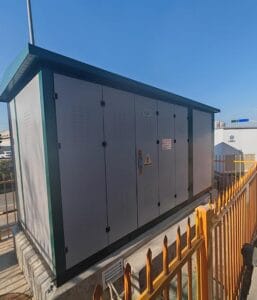
Choosing the right dry type transformer supplier is an important decision for any electrical power distribution project. A transformer is not just a single piece of equipment; it is a core part of the power system that affects safety, efficiency, operating stability, and long-term maintenance costs.
For industrial plants, commercial buildings, data centers, hospitals, renewable energy projects, and infrastructure systems, dry type transformers are widely used because they are oil-free, safer for indoor installation, easier to maintain, and suitable for many demanding environments. However, not every supplier can provide the same level of manufacturing quality, engineering support, testing capability, and customization service.
As a dry type transformer manufacturer, we understand that buyers need more than a product catalog. They need a reliable technical partner who can help them select the right transformer, confirm specifications, control quality, and support smooth delivery for their project. This guide explains how to evaluate a dry type transformer supplier and what buyers should check before placing an order.
Table of Contents
Why Choosing the Right Dry Type Transformer Supplier Matters
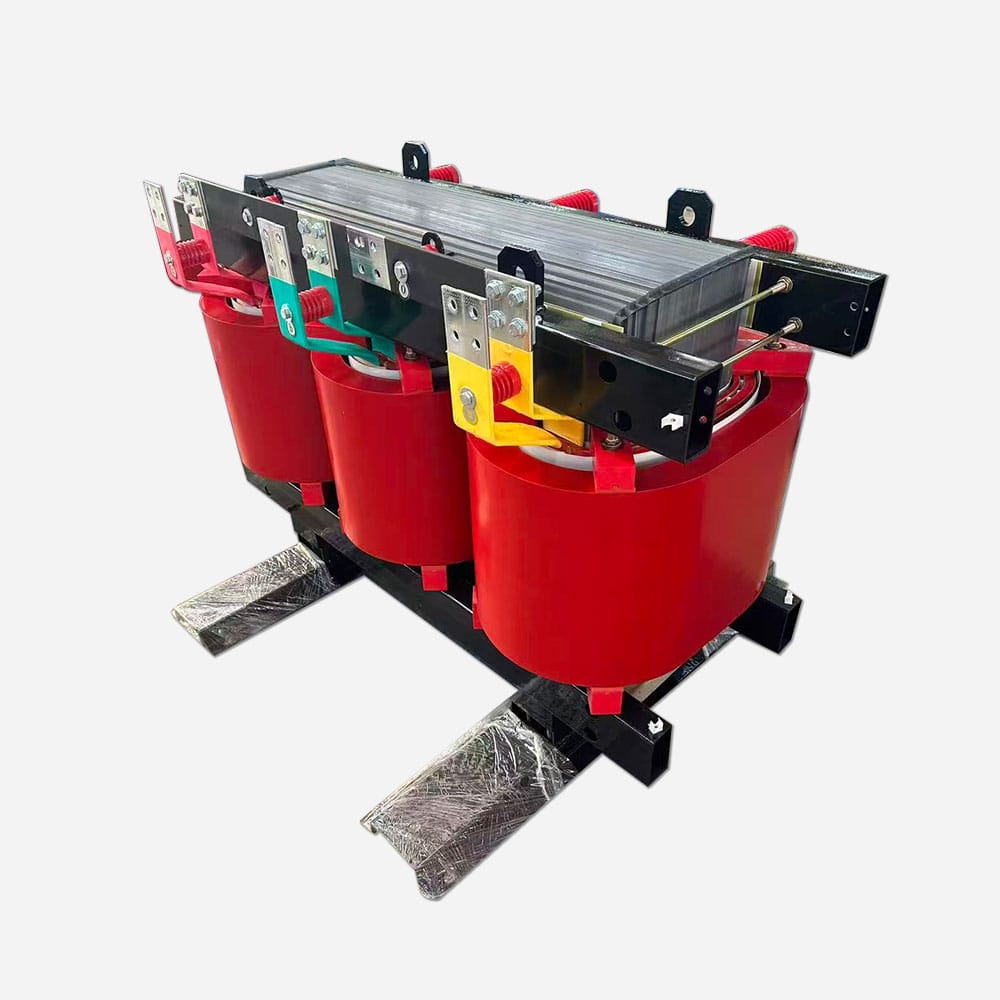
A reliable dry type transformer supplier can help reduce project risks from the beginning. The transformer must match the load requirements, installation environment, voltage system, safety standards, and long-term operation needs of the project.
If the transformer is poorly designed or manufactured with unstable materials, it may cause overheating, noise problems, insulation failure, energy loss, or unexpected downtime. For industrial and commercial projects, these issues can lead to expensive maintenance, delayed operation, and even safety concerns.
A professional dry type transformer manufacturer should provide:
- Stable production capability
- Accurate technical design
- Reliable material selection
- Strict quality control
- Complete factory testing
- Custom transformer solutions
- Clear documentation
- Long-term technical support
For B2B buyers, the supplier’s experience and manufacturing process are just as important as the dry type transformer price.
What Is a Dry Type Transformer?
A dry type transformer is a transformer that does not use liquid oil as an insulating or cooling medium. Instead, it uses air cooling, resin insulation, or vacuum pressure impregnation technology to achieve safe and stable operation.
Because dry type transformers are oil-free, they are often selected for locations where fire safety, environmental protection, and indoor installation are important. They are commonly used in:
- Factories and industrial plants
- Commercial buildings
- Shopping malls and office towers
- Hospitals and medical centers
- Data centers
- Airports and railway systems
- Solar and wind power projects
- EV charging stations
- Public infrastructure projects
Common product types include cast resin dry type transformer, VPI dry type transformer, open wound dry type transformer, encapsulated dry type transformer, three phase dry type transformer, low voltage dry type transformer, and medium voltage dry type transformer.
Key Qualities of a Reliable Dry Type Transformer Supplier
A good dry type transformer supplier should not only sell standard models. For industrial and engineering projects, the supplier must be able to understand project requirements and provide suitable technical solutions.
Strong Manufacturing Capability
A real dry type transformer factory should have complete production equipment, skilled workers, experienced engineers, and a stable production process. Manufacturing capability directly affects product consistency, delivery time, and quality control.
Key manufacturing capabilities include:
- Core cutting and assembly
- Coil winding
- Resin casting or VPI treatment
- Insulation processing
- Enclosure fabrication
- Final assembly
- Factory testing
- Export packaging
Working directly with a dry type transformer manufacturer can also make communication faster and more accurate, especially when the project requires custom voltage, special capacity, low noise design, or a specific enclosure structure.
Engineering and Custom Design Support
Many projects cannot use only standard transformer models. A reliable supplier should be able to provide custom dry type transformer solutions according to different technical requirements.
Customization may include:
- Rated capacity
- Primary and secondary voltage
- Frequency
- Phase type
- Copper or aluminum winding
- Insulation class
- Temperature rise
- Enclosure protection level
- Cooling method
- Noise level control
- Installation size
- Special application environment
For example, a data center dry type transformer may require high efficiency, low noise, stable performance, and reliable heat dissipation. A transformer for an industrial plant may need stronger short-circuit resistance, higher load capacity, and durable enclosure protection.
Consistent Quality Control
Quality control should run through the full production process. A professional dry type transformer supplier should inspect raw materials, monitor production steps, and test the finished transformer before delivery.
Important quality control areas include:
- Silicon steel core inspection
- Coil winding accuracy
- Insulation material quality
- Resin or VPI treatment process
- Connection and terminal inspection
- Enclosure structure inspection
- Electrical performance testing
- Final appearance inspection
- Packaging inspection
Good quality control helps ensure that every transformer leaving the factory meets the required performance and safety standards.
Important Specifications Buyers Should Check
Before selecting a dry type transformer supplier, buyers should prepare the main technical specifications. Clear specifications help the manufacturer provide an accurate design and quotation.
Rated Capacity
Rated capacity is usually expressed in kVA. Common capacities include 100 kVA, 250 kVA, 500 kVA, 1000 kVA, 1500 kVA, 2000 kVA, and higher. The correct capacity depends on the actual load, future expansion needs, and operating conditions.
Choosing a transformer that is too small may cause overheating and overload risks. Choosing one that is too large may increase unnecessary purchase costs and energy loss.
Voltage Level
Voltage requirements are one of the most important factors in transformer design. Buyers should confirm the primary voltage and secondary voltage before requesting a quotation.
Common related searches include:
- 11kV dry type transformer supplier
- 33kV dry type transformer supplier
- Low voltage dry type transformer
- Medium voltage dry type transformer
- Dry type distribution transformer supplier
The voltage level affects insulation design, structure, safety clearance, testing requirements, and final price.
Phase Type
Most industrial and commercial projects use three phase dry type transformers because they are suitable for large power distribution systems. Single phase dry type transformers may be used for smaller or specific applications.
A professional supplier should help confirm whether a single phase or three phase dry type transformer is suitable for the project.
Winding Material
Dry type transformers commonly use copper winding or aluminum winding. Copper winding dry type transformers usually offer better conductivity and performance, while aluminum winding may provide a more cost-effective option for some applications.
The choice depends on budget, efficiency requirements, load conditions, and project standards.
Insulation Class and Temperature Rise
Insulation performance has a direct impact on transformer service life. Buyers should check the insulation class, temperature rise limit, cooling method, and ambient temperature conditions.
A reliable dry type transformer manufacturer should design the insulation system according to the actual working environment, not just standard catalog data.
Enclosure and Protection Level
The enclosure protects the transformer from dust, moisture, accidental contact, and external damage. Indoor dry type transformers and outdoor dry type transformers may require different enclosure structures.
Common considerations include:
- Indoor or outdoor installation
- Ventilated or non-ventilated enclosure
- IP protection level
- Anti-corrosion treatment
- Dust-proof requirements
- Space and installation layout
Dry Type Transformer Supplier vs Trading Company
When purchasing a dry type transformer, some buyers may work with a trading company, while others prefer to buy directly from a dry type transformer factory. Both options exist in the market, but direct cooperation with a manufacturer usually brings stronger technical and quality advantages.
Direct Technical Communication
A manufacturer can communicate directly with engineers, production teams, and quality control staff. This makes it easier to confirm technical details, adjust drawings, and solve project-specific problems.
Better Customization Ability
A trading company may only provide existing product options, while a manufacturer can offer custom dry type transformer solutions based on capacity, voltage, enclosure, winding material, and application environment.
Stronger Quality Control
A factory controls the full production process, from raw material selection to final testing. This gives buyers better visibility into product quality and production progress.
More Stable Long-Term Cooperation
For repeated orders, project expansion, spare parts, and future technical support, direct cooperation with a dry type transformer manufacturer can be more efficient and reliable.
How to Evaluate Dry Type Transformer Quality
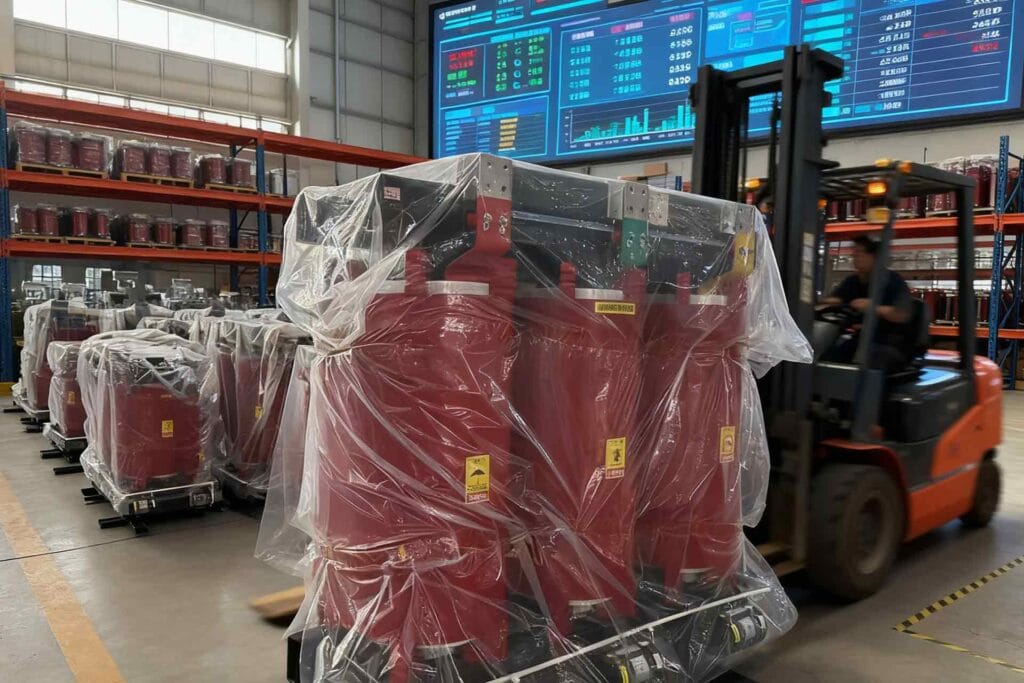
Product quality is not only about appearance. Buyers should evaluate the design, materials, production process, and testing results.
Core Material and Loss Control
The transformer core affects energy loss, noise, and efficiency. High-quality silicon steel sheets and accurate core assembly can help reduce no-load loss and improve long-term performance.
For industrial buyers, a low loss dry type transformer can reduce operating costs over the full service life of the equipment.
Coil Design and Winding Process
The coil is one of the most important parts of a transformer. Good winding technology improves electrical performance, mechanical strength, heat dissipation, and short-circuit resistance.
Buyers should pay attention to whether the supplier has mature winding equipment and strict process control.
Insulation and Resin Treatment
For cast resin dry type transformers, resin quality and casting process are very important. Good resin insulation improves moisture resistance, flame retardancy, and mechanical strength.
For VPI dry type transformers, the vacuum pressure impregnation process helps improve insulation performance and product stability.
Noise and Heat Control
Noise level is especially important in data centers, hospitals, commercial buildings, and indoor electrical rooms. A professional dry type transformer supplier should optimize core design, assembly structure, cooling channels, and enclosure design to reduce noise and heat buildup.
Mechanical Strength
Transformers used in industrial plants, mining projects, infrastructure systems, and heavy-load applications must have strong mechanical stability. The structure should be able to withstand transportation, installation, vibration, and possible short-circuit stress.
Testing and Standards a Dry Type Transformer Supplier Should Provide
Factory testing is a key step before shipment. A reliable dry type transformer supplier should provide proper testing and documentation according to the project requirements.
Common tests include:
- Winding resistance test
- Voltage ratio test
- Vector group test
- Insulation resistance test
- Applied voltage test
- Induced voltage test
- No-load loss test
- Load loss test
- Impedance voltage test
- Temperature rise test when required
- Noise level test when required
Buyers should also request technical documents such as datasheet, wiring diagram, outline drawing, test report, nameplate information, user manual, packing list, and quality certificate.
For international projects, the supplier should understand export documentation and common project requirements in different markets.
Dry Type Transformer Buying Checklist
| Buying Factor | What Buyers Should Check | Why It Matters |
|---|---|---|
| Supplier Type | Manufacturer, factory, or trading company | A direct manufacturer can provide better technical support and customization |
| Rated Capacity | kVA rating and load demand | Ensures the transformer matches the project power requirement |
| Voltage Level | Primary and secondary voltage | Affects insulation design, safety, and final cost |
| Transformer Type | Cast resin, VPI, open wound, encapsulated | Different types suit different environments and budgets |
| Phase Type | Single phase or three phase | Determines application range and power distribution design |
| Winding Material | Copper or aluminum | Influences efficiency, cost, and performance |
| Insulation Class | Temperature resistance and insulation system | Helps ensure safe long-term operation |
| Enclosure | Indoor, outdoor, ventilated, IP rating | Protects the transformer in different installation environments |
| Testing | Routine test, type test, temperature rise test | Confirms product quality before delivery |
| Documentation | Datasheet, drawing, test report, manual | Supports installation, acceptance, and maintenance |
| Customization | Capacity, voltage, size, noise, enclosure | Helps meet special project requirements |
| After-Sales Support | Warranty, technical guidance, spare parts | Reduces risk after installation and operation |
Custom Dry Type Transformer Solutions for Different Projects
Different industries have different transformer requirements. A professional dry type transformer supplier should not use the same solution for every project.
Dry Type Transformer for Data Centers
Data centers require stable power distribution, high safety, low noise, and reliable operation. Dry type transformers are suitable because they are oil-free, safer for indoor use, and easier to maintain.
For data center projects, buyers often focus on:
- Low loss design
- Low noise performance
- Stable temperature control
- High efficiency
- Reliable insulation
- Compact installation structure
Dry Type Transformer for Hospitals
Hospitals require safe and stable electrical systems because power interruptions can affect critical equipment. A hospital dry type transformer should provide reliable performance, low noise, and strong safety features.
Oil-free operation is also an advantage for indoor electrical rooms and medical facilities.
Dry Type Transformer for Industrial Plants
Industrial plants often have heavy loads, motors, production lines, and continuous operation requirements. A dry type transformer for industrial plants should have strong overload capacity, good heat dissipation, and stable performance.
A manufacturer should help buyers confirm the right capacity, voltage level, winding material, and enclosure type based on actual load conditions.
Dry Type Transformer for Commercial Buildings
Commercial buildings such as shopping malls, hotels, office towers, and public facilities often require indoor transformers with safe operation and low maintenance needs.
Dry type distribution transformers are commonly used because they are suitable for electrical rooms and areas where fire safety is important.
Dry Type Transformer for Renewable Energy
Solar power plants, wind power projects, and energy storage systems need efficient and reliable power conversion equipment. A custom dry type transformer can be designed according to the voltage system, environmental conditions, and project layout.
Dry Type Transformer for EV Charging Stations
With the growth of EV charging infrastructure, stable power distribution equipment is becoming more important. Dry type transformers for EV charging stations should support reliable operation, compact installation, and safe power supply.
Dry Type Transformer Price: What Buyers Need to Know
Dry type transformer price depends on many factors. Buyers should avoid choosing only the lowest quotation without checking technical details and quality standards.
Main price factors include:
- Rated capacity
- Voltage level
- Transformer type
- Copper or aluminum winding
- Core material
- Insulation system
- Enclosure structure
- IP protection level
- Cooling method
- Noise control requirement
- Testing requirement
- Certification and documentation
- Quantity and delivery schedule
- Export packaging and transportation
For example, a 1000 kVA dry type transformer with copper winding, cast resin insulation, low loss design, and outdoor enclosure will have a different cost from a standard indoor aluminum winding model.
A reliable supplier should provide a clear quotation based on technical specifications, not a vague price without details.
How to Request a Quotation from a Dry Type Transformer Supplier
To get an accurate quotation, buyers should provide as much project information as possible. This helps the dry type transformer manufacturer design the right solution and avoid repeated communication.
Useful information includes:
- Rated capacity
- Primary voltage
- Secondary voltage
- Frequency
- Phase type
- Vector group
- Impedance requirement
- Winding material
- Insulation class
- Cooling method
- Indoor or outdoor installation
- Enclosure protection level
- Ambient temperature
- Altitude
- Noise requirement
- Quantity
- Required standards
- Destination country
- Project drawings if available
If buyers are not sure about some specifications, they can provide load information and application details. An experienced manufacturer can help recommend a suitable dry type transformer solution.
Why Work with a Professional Dry Type Transformer Manufacturer?
Working with a professional dry type transformer manufacturer gives buyers stronger control over quality, technical communication, and long-term cooperation.
As a manufacturer, we can support customers with:
- Product selection guidance
- Custom transformer design
- Stable factory production
- Strict quality inspection
- Complete routine testing
- Technical drawings and documents
- Export packaging
- Flexible project support
- After-sales technical assistance
For global buyers, this means fewer communication problems, clearer technical confirmation, and better support from inquiry to delivery.
Common Mistakes to Avoid When Choosing a Dry Type Transformer Supplier
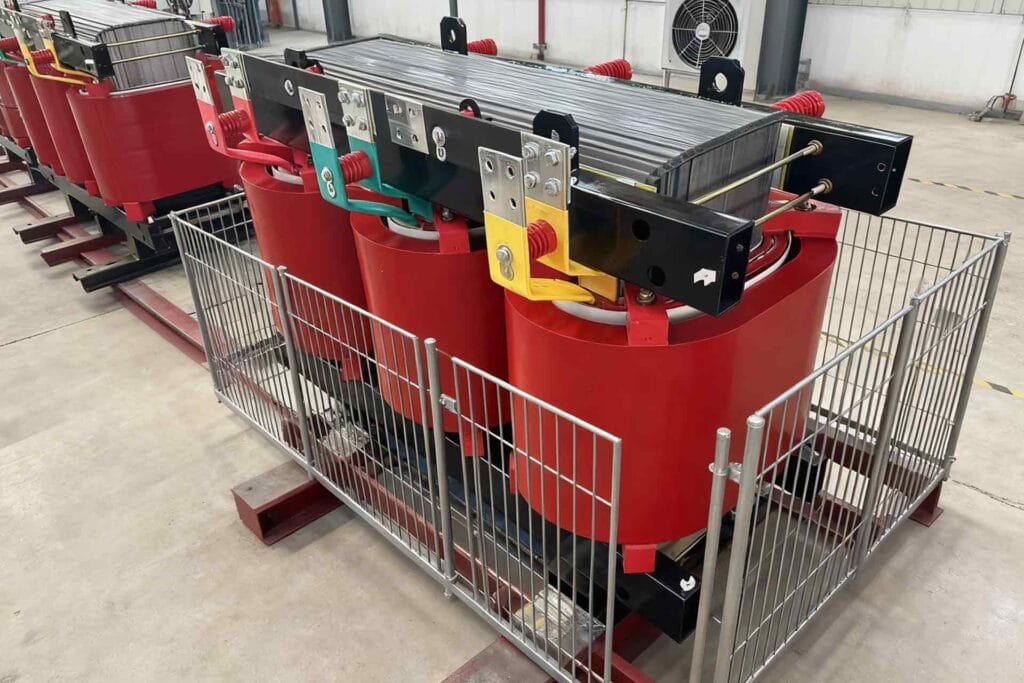
Choosing a supplier only by price is one of the most common mistakes. A transformer is long-term electrical equipment, and poor quality can create hidden risks after installation.
Buyers should avoid:
- Comparing prices without comparing specifications
- Ignoring insulation class and temperature rise
- Selecting capacity without load calculation
- Forgetting installation environment requirements
- Not confirming enclosure protection level
- Not requesting test reports
- Buying from suppliers without manufacturing capability
- Ignoring after-sales support
- Not checking export packaging requirements
- Choosing standard models for special applications without technical review
A reliable dry type transformer supplier should help buyers avoid these mistakes and provide a practical solution based on real project conditions.
Conclusion
Choosing a reliable dry type transformer supplier is essential for safe, efficient, and stable power distribution. Buyers should not focus only on price. They should also evaluate manufacturing capability, technical design, quality control, testing standards, customization service, documentation, and after-sales support.
For industrial plants, commercial buildings, data centers, hospitals, renewable energy projects, EV charging stations, and infrastructure systems, the right dry type transformer can reduce maintenance needs, improve safety, and support long-term operation.
As a professional dry type transformer manufacturer, we provide custom dry type transformer solutions for different industries and project requirements. From technical selection and design to production, testing, packaging, and delivery, we help global buyers find reliable transformer products that match their power distribution needs.
FAQ
What should I look for in a dry type transformer supplier?
You should check manufacturing capability, engineering support, product quality, testing process, customization ability, export experience, and after-sales service. A reliable supplier should provide clear technical documents and factory test reports before delivery.
Is it better to buy from a dry type transformer manufacturer?
Yes, buying directly from a dry type transformer manufacturer is often better for B2B projects. A manufacturer can provide more accurate technical support, better customization options, stronger quality control, and more stable long-term cooperation.
What information is needed for a dry type transformer quotation?
You should provide rated capacity, primary voltage, secondary voltage, frequency, phase type, winding material, installation environment, enclosure type, protection level, quantity, and required standards. If you have project drawings, they can help the supplier provide a more accurate quotation.
What is the difference between cast resin and VPI dry type transformer?
A cast resin dry type transformer uses resin insulation to provide strong moisture resistance, mechanical strength, and safety performance. A VPI dry type transformer uses vacuum pressure impregnation technology and is often selected for cost-effective and reliable applications. The best choice depends on the project environment and technical requirements.
Can dry type transformers be customized?
Yes. A professional dry type transformer supplier can customize capacity, voltage, size, enclosure, cooling method, winding material, noise level, insulation class, and other technical features according to project requirements.