Table of Contents
Introduction
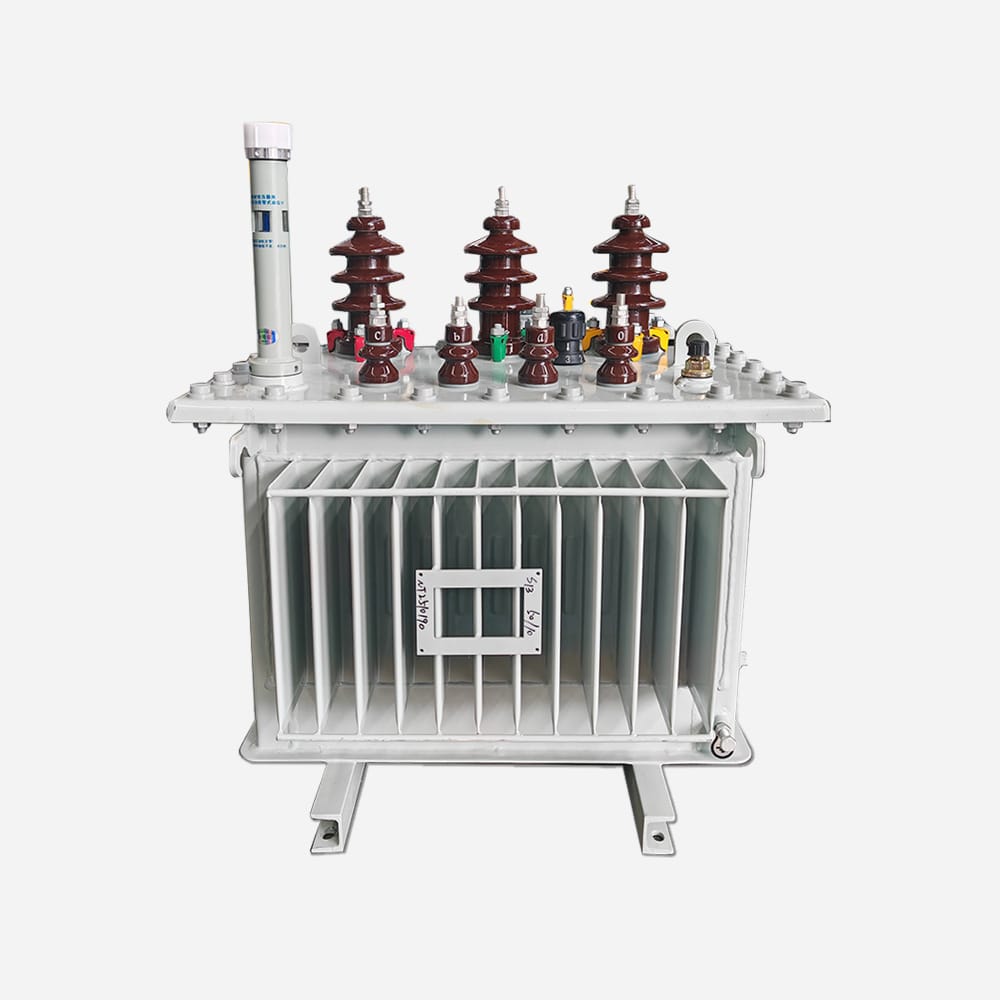
An oil immersed transformer is a core component in modern electrical power distribution systems, widely used for voltage conversion in industrial, utility, and infrastructure projects. It operates by using insulating oil both for cooling and electrical insulation, which significantly improves performance under high-load and high-voltage conditions.
In today’s global energy infrastructure, demand for reliable and energy-efficient power transformers continues to grow. Oil immersed transformers remain one of the most widely adopted solutions due to their durability, cost efficiency, and strong overload capability.
They are commonly applied in:
- Power distribution networks
- Industrial manufacturing plants
- Substations and grid systems
- Renewable energy projects
As a transformer manufacturer, publishing technical and application-focused content is an effective way to improve search visibility, attract relevant traffic, and support B2B inquiries from global buyers.
Oil Immersed Transformer Working Principle
The working principle of an oil immersed transformer is based on electromagnetic induction. When alternating current flows through the primary winding, it creates a magnetic field that induces voltage in the secondary winding.
The transformer oil plays two critical roles:
- Insulation: Prevents electrical breakdown between components
- Cooling: Dissipates heat generated during operation
Heat generated in the windings is transferred to the oil, which circulates naturally or through radiators, maintaining stable operating temperatures.
This design allows the transformer to perform efficiently even under continuous heavy load conditions, making it suitable for industrial and utility power systems.
Key Structure and Components of Oil Immersed Transformers
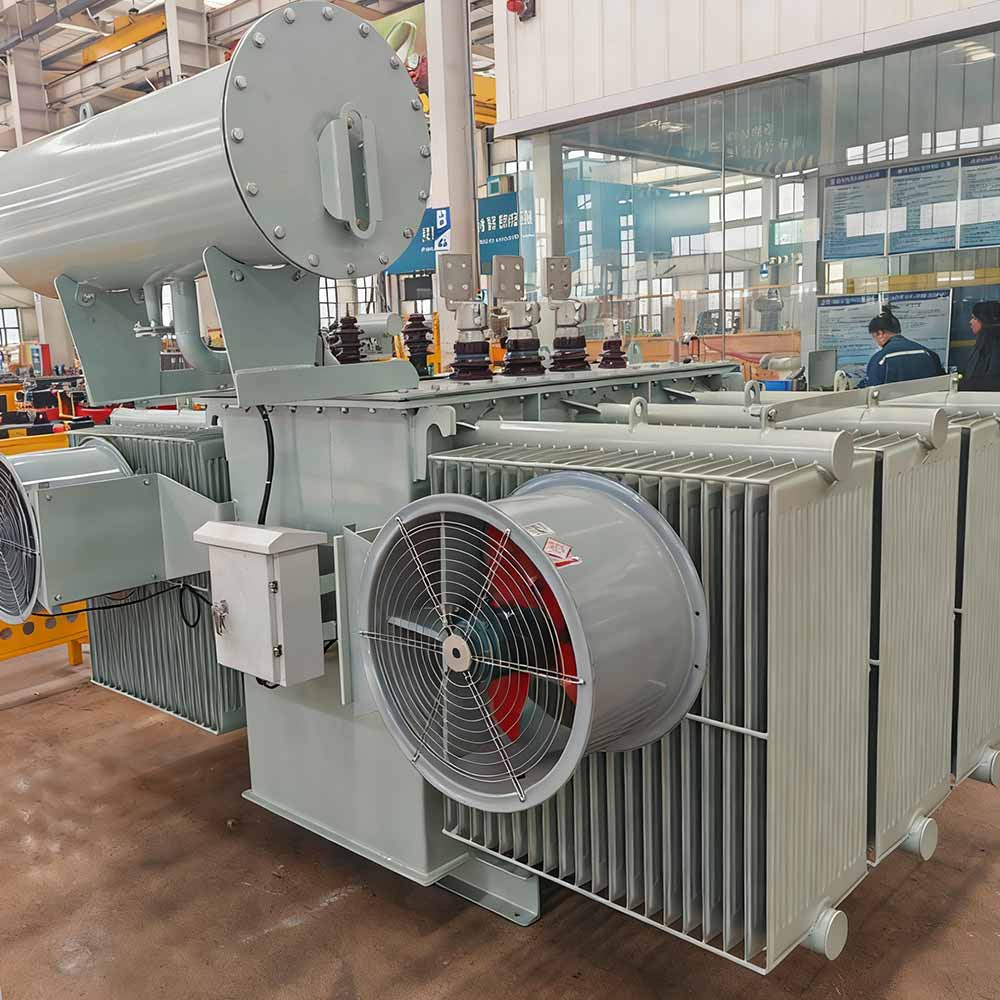
A typical oil immersed transformer consists of several key components designed to ensure safety, efficiency, and long service life.
- Core (silicon steel laminations for low loss performance)
- Windings (copper or aluminum conductors)
- Transformer tank (sealed steel enclosure)
- Insulating oil system
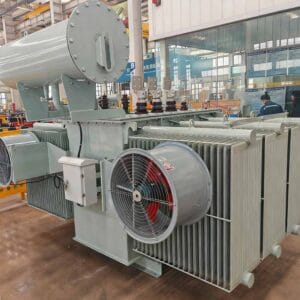
- Radiators for heat dissipation
- Bushings and protection devices
High-quality insulation materials and precise engineering are essential to reduce losses and improve energy efficiency.
Oil Immersed Transformer vs Dry Type Transformer
Understanding the differences between oil immersed and dry type transformers is important for selecting the right solution for a project.
| Feature | Oil Immersed Transformer | Dry Type Transformer |
|---|---|---|
| Cooling Method | Oil cooling | Air cooling |
| Load Capacity | High | Medium |
| Efficiency | High efficiency in heavy load | Suitable for light to medium load |
| Maintenance | Requires oil monitoring | Low maintenance |
| Installation Environment | Outdoor / substation use | Indoor use |
| Cost | More cost-effective for large capacity | Higher cost per capacity |
Oil immersed transformers are preferred for high-voltage and large-scale power distribution applications, while dry type transformers are typically used in indoor or safety-sensitive environments.
Applications of Oil Immersed Transformers in Industry
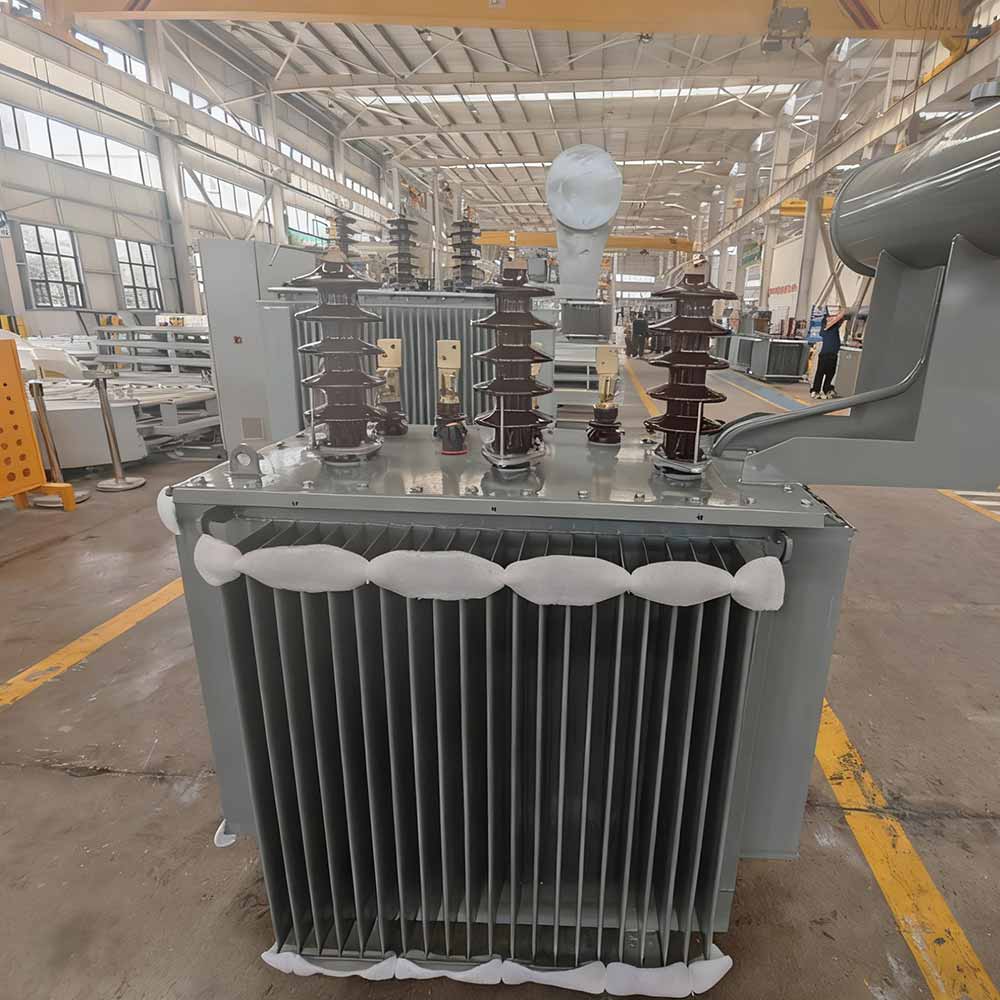
Oil immersed transformers are widely used across multiple industries due to their stability and efficiency.
Key application areas include:
- Power generation plants
- Electrical substations
- Industrial factories and manufacturing lines
- Mining and metallurgy operations
- Wind and solar energy systems
- Urban and rural power grids
Their ability to handle fluctuating loads makes them ideal for infrastructure-level energy systems.
How to Choose a Reliable Oil Immersed Transformer Manufacturer
Selecting the right oil immersed transformer manufacturer directly impacts system reliability, efficiency, and long-term operational cost.
Key evaluation factors include:
- Compliance with international standards (IEC, ISO, ANSI)
- Production capacity and engineering capability
- Quality control and testing procedures
- Custom design and OEM/ODM services
- Export experience and global project support
A professional manufacturer should be able to provide full technical documentation, testing reports, and customized engineering solutions based on project requirements.
Oil Immersed Transformer Price Factors Explained
The cost of an oil immersed transformer varies depending on technical and manufacturing parameters.
Common influencing factors include:
- Rated capacity (kVA / MVA)
- Voltage level (11kV, 33kV, etc.)
- Material selection (copper vs aluminum winding)
- Core loss and energy efficiency grade
- Custom design requirements
- Transportation and installation conditions
Example Cost Reference Table
| Capacity | Voltage Level | Application | Cost Influence |
|---|---|---|---|
| 100 kVA | 11 kV | Small industrial use | Low |
| 500 kVA | 11–33 kV | Commercial facilities | Medium |
| 1000 kVA | 33 kV | Industrial plants | Medium-High |
| 5000 kVA+ | 66–132 kV | Substations / grid systems | High |
Understanding these factors helps buyers make informed procurement decisions and request accurate quotations.
Why Work Directly with a Transformer Factory
Working directly with a factory-level supplier provides significant advantages compared to trading companies.
Key benefits include:
- Lower procurement cost due to factory pricing
- Direct technical communication with engineers
- Faster customization and production cycles
- Strict quality control from manufacturing source
- Stable long-term supply capability
For EPC contractors and industrial buyers, factory cooperation is often the most efficient procurement model.
Our Manufacturing Capability as an Oil Immersed Transformer Supplier
As a professional transformer manufacturer, we focus on delivering reliable and energy-efficient solutions for global power systems.
Our production capabilities include:
- Advanced winding and core processing equipment
- Automated vacuum oil filling systems
- Full-load testing and performance verification
- Custom engineering design for different voltage requirements
- Compliance with international export standards
We support OEM and customized transformer solutions for utility companies, industrial projects, and international distributors.
Maintenance and Service Life Optimization
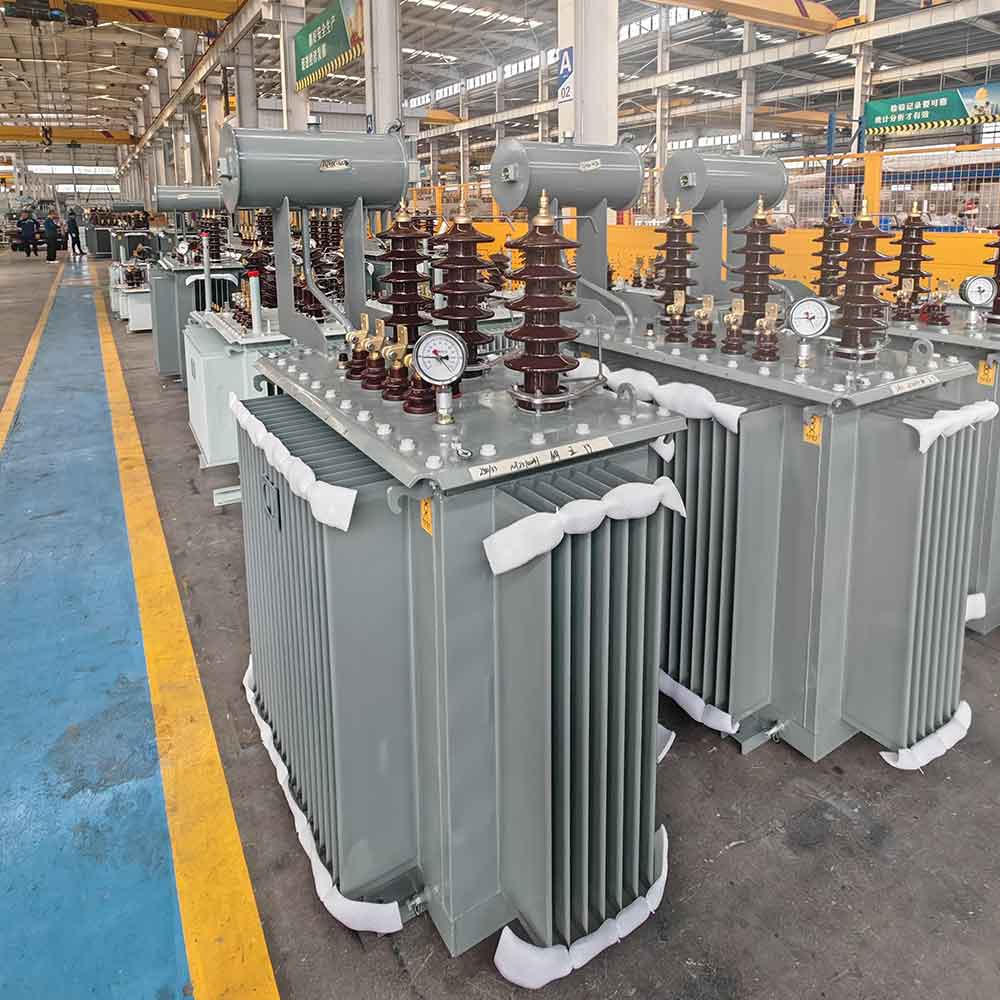
Proper maintenance is essential to ensure long-term performance and reliability of oil immersed transformers.
Key maintenance practices include:
- Regular transformer oil testing
- Temperature and load monitoring
- Inspection of bushings and sealing systems
- Cooling system performance checks
- Periodic cleaning and dust protection
With proper maintenance, oil immersed transformers can operate reliably for 20–30 years or more.
Conclusion
Oil immersed transformers remain one of the most reliable and widely used solutions in global power distribution systems. Their strong cooling performance, high efficiency, and adaptability make them suitable for industrial, utility, and infrastructure applications.
Choosing a professional oil immersed transformer manufacturer is critical for ensuring product quality, system stability, and long-term cost efficiency. Direct factory cooperation provides better pricing, engineering support, and customization flexibility.
As a manufacturer, consistently publishing technical and application-focused content not only strengthens industry authority but also improves organic search visibility, helping attract qualified traffic and generate more B2B inquiries from global markets.
FAQ
What is an oil immersed transformer used for?
An oil immersed transformer is mainly used in power distribution systems to step up or step down voltage. It is widely applied in substations, industrial plants, and electrical grid networks.
Why do oil immersed transformers use insulating oil?
The insulating oil provides both cooling and electrical insulation. It helps dissipate heat from the core and windings while preventing electrical breakdown between components.
What is the difference between an oil immersed transformer and a dry type transformer?
Oil immersed transformers use oil for cooling and are suitable for high-capacity outdoor applications. Dry type transformers use air cooling and are typically installed indoors with lower maintenance requirements.
How long does an oil immersed transformer last?
With proper installation and regular maintenance, an oil immersed transformer can operate efficiently for 20 to 30 years or even longer, depending on load conditions and operating environment.
What factors affect oil immersed transformer price?
The price depends on capacity (kVA/MVA), voltage level, material selection, efficiency standards, and customization requirements. Larger and higher-voltage transformers generally cost more.